
Ivar Leidus / CC BY-SA 4.0, via Wikimedia Commons
Chives: complete guide
Allium schoenoprasum
Want to see Chives: complete guide in your garden?
1 minute, no credit card
Overview
Chives (Allium schoenoprasum) are one of the most reliable and rewarding herbs you can grow in your garden. A member of the Amaryllidaceae family, this perennial herb brings both flavour and beauty to outdoor spaces. Native to temperate regions across Europe, Asia, and North America - including Afghanistan, Albania, Austria, and Alaska - chives thrive in cool to moderate climates. They're particularly well-suited to USDA hardiness zones 3 through 9, making them a staple in gardens across the UK, northern Europe, and much of North America.
As a forb or herbaceous plant, chives die back in winter but return vigorously each spring. Their slender, hollow leaves grow in tight clumps up to 30 cm tall, offering a delicate onion-like flavour perfect for eggs, potatoes, soups, and salads. Chives are also known for attracting pollinators, adding ecological value to your garden. If you're planning a kitchen garden, use gardenworld.app to design a layout that clusters chives near tomatoes and carrots for natural pest deterrence.
Appearance & bloom cycle
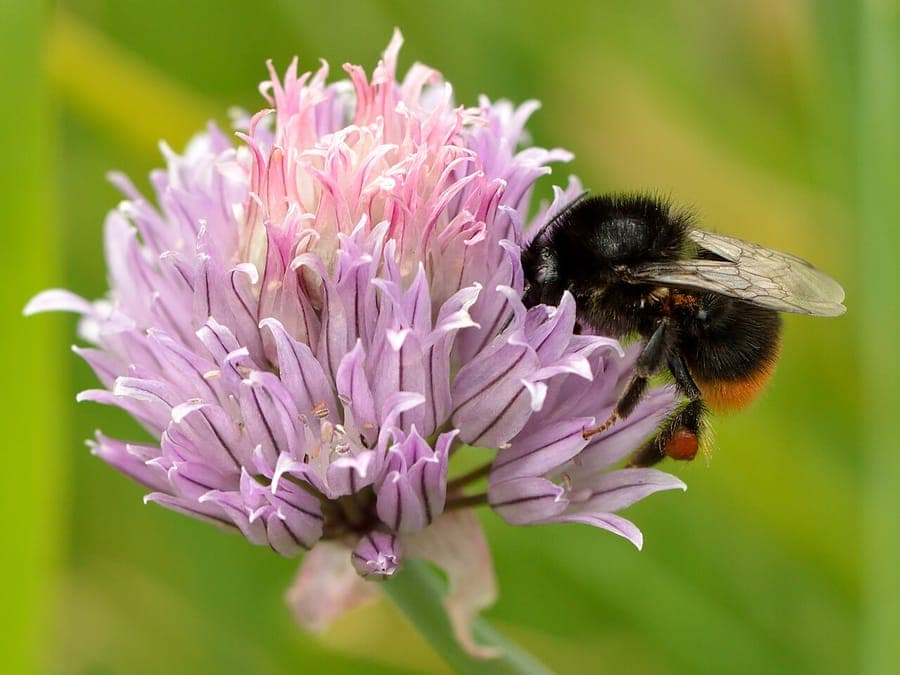
Chives feature bright green, tubular leaves that grow upright and reach 20–30 cm in height. When crushed, they release a mild garlicky aroma. From late spring to midsummer - typically June through August - round, pom-pom-like flower heads emerge, measuring 3–5 cm in diameter. These soft purple blooms are not only attractive but edible, adding a peppery note to salads and garnishes.
The flowering period lasts four to six weeks, depending on climate and care. After blooming, cut the spent flowers to prevent self-seeding and encourage fresh leaf growth. While chives will self-sow if left unchecked, this can lead to overcrowding. For a tidy, productive patch, deadhead regularly. Consider using gardenworld.app to map out bloom times alongside companion herbs like thyme and oregano for a season-long edible display.
Ideal location
Chives need plenty of light - a 9 out of 10 on the sun scale. They perform best in full sun, receiving at least 6–8 hours of direct sunlight daily. A south- or southeast-facing spot is ideal. In shadier areas, growth slows and leaves become leggy and less flavourful.
Plant chives in a sheltered area to protect their delicate foliage from strong winds. They work well in herb gardens, raised beds, containers, or as edging along borders. When planting in pots, choose containers at least 20 cm deep to accommodate their fibrous root system. Space plants 15–20 cm apart in garden beds to allow for air circulation and prevent fungal issues.
Soil requirements
Chives prefer well-drained, fertile soil with a pH between 7.5 and 8.0 - slightly alkaline. Heavy clay soils can be improved with compost and coarse sand to enhance drainage. Poorly drained soil leads to root rot, especially in winter. Avoid waterlogged areas.
A mix of garden soil, compost, and perlite works well in containers. In the ground, enrich the soil with well-rotted manure or compost before planting. Chives aren't heavy feeders, but a spring top-dressing of compost will support healthy growth.
Free design
Want to see Chives: complete guide in your garden? Make a free design now.
Watering
Chives have moderate water needs. During dry spells, water once a week, focusing on the base to keep foliage dry and reduce disease risk. Potted plants may need watering every 4–5 days in hot weather, as containers dry out faster.
Let the top 2–3 cm of soil dry out between waterings. Overwatering is more dangerous than underwatering - soggy soil invites fungal diseases. Use rainwater when possible, as tap water can raise soil pH over time, especially in areas with hard water.
Pruning
Regular harvesting acts as pruning and keeps plants productive. Cut leaves back to about 5 cm above soil level using sharp scissors. Never remove more than one-third of the plant at once to avoid stressing it. Harvest in the morning for the best flavour.
Trim off yellow or damaged leaves to maintain plant health. After flowering, cut flower stalks down to the base to redirect energy into leaf production. If you want to collect seeds, leave a few flower heads to dry on the plant.
Maintenance calendar
- March: Clear away dead foliage. Apply a light compost layer.
- April: Divide mature clumps if overcrowded. Start regular harvesting.
- May–June: Watch for flower buds. Water during dry periods.
- July–August: Peak bloom and harvest time. Deadhead spent flowers.
- September: Reduce watering. Stop heavy harvesting to prepare for dormancy.
- October–February: Minimal care needed. Chives go dormant but survive freezing temps.
Winter hardiness
Chives are extremely cold-hardy, surviving temperatures down to -40°C (USDA zone 3). In milder zones (7–9), foliage may stay green through winter. Top growth dies back in colder regions, but roots remain alive and resprout in spring. No mulch is usually required, though a light covering of straw can help in exceptionally harsh winters.
Companion plants
Chives grow well with tomatoes, carrots, roses, and cabbage. Their scent deters aphids and other pests. Avoid planting near legumes like beans and peas, as alliums can inhibit their growth.
Good companions include parsley, thyme, and sage. In a herb spiral or raised bed, chives fit neatly between low-growing and taller herbs.
Closing
Chives are low-maintenance, productive, and beautiful - a true multitasker in any garden. With minimal effort, you'll enjoy fresh harvests for years. Start with healthy plants from garden centres or nurseries. For best results, plant in full sun and well-drained soil. Whether you're growing in a backyard or on a balcony, chives adapt well. And remember, gardenworld.app helps you design a functional, attractive herb garden that maximizes sun exposure and companion planting benefits.
Want to see Chives: complete guide in your garden? Make a free design now.
Upload a photo, pick a style, and get a photorealistic design with plant list in under a minute.
No credit card required


Similar plants
Douglas' Onion: complete guide
Allium douglasii
Douglas' onion is a compact ornamental allium with purple flowers, perfect for rock gardens and sunny borders. Learn care, siting and hardiness.
Oblique onion: complete guide
Allium obliquum
The oblique onion is a hardy ornamental allium with chartreuse flower heads and blue-green foliage. Location, soil and care explained.
False hooded garlic: complete guide
Allium pseudocalyptratum
Discover false hooded garlic (Allium pseudocalyptratum): a rare ornamental onion from Lebanon for rock gardens and alpine troughs.