
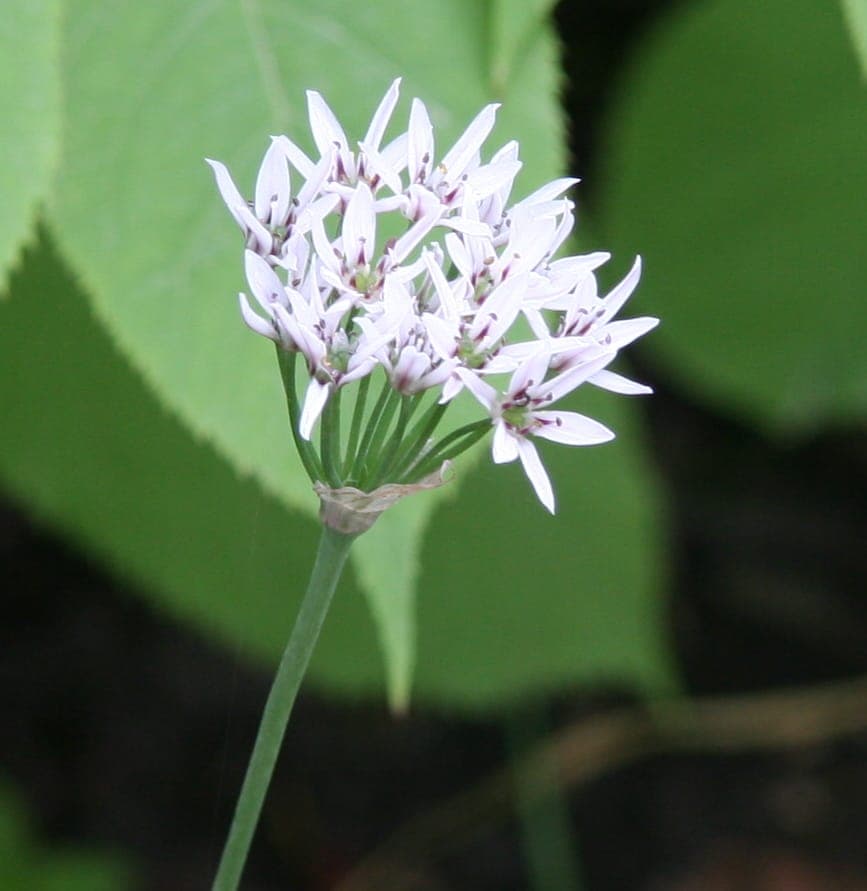
Michael Wolf / CC BY-SA 3.0, via Wikimedia Commons
Fragrant garlic: complete guide
Allium ramosum
Want to see Fragrant garlic: complete guide in your garden?
1 minute, no credit card
Overview
Fragrant garlic, or Allium ramosum, isn't a household name, but it should be. This tough, aromatic perennial comes from the dry, rocky foothills of Central Asia - regions like Inner Mongolia, Kazakhstan, and southern Siberia. It belongs to the Amaryllidaceae family and shares the pungent scent of its relatives, garlic and chives. Standing 20–30 cm tall, it forms clumps of slender, hollow leaves that release a strong garlic aroma when brushed or crushed. Once established, it returns reliably each year with minimal care, making it a smart choice for low-maintenance gardens.
On gardenworld.app, you can design a garden layout that highlights fragrant garlic in sunny, dry spots where other plants struggle. It spreads slowly through bulb offsets and self-seeding, but never aggressively. It's an excellent option for rock gardens, gravel beds, or the front of a sunny border where its scent and texture add interest.
Appearance & bloom cycle
The foliage is fine-textured, gray-green, and grass-like. In late spring to early summer - typically June and July - slender stems rise to display clustered umbels of tiny star-shaped flowers. Each flower head is 1–2 cm across, made up of dozens of delicate pinkish-purple florets. The bloom lasts about three weeks and is a magnet for bees, hoverflies, and other pollinators. After flowering, the seed heads may develop viviparous plantlets - tiny bulblets that sprout while still on the plant.
The species name ramosum means "branched," referring to its open, forked flowering stems. This gives it a different look from denser alliums like A. giganteum. In autumn, the leaves yellow slightly and can be trimmed or left for winter structure. The plant maintains a neat, compact form year-round.
Ideal location
Plant fragrant garlic in full sun to light shade. It thrives in hot, dry conditions and is perfect for xeriscaping. Avoid damp, shady corners. Ideal spots include rock gardens, raised beds, gravel pathways, or between paving stones. It's also great in containers, where drainage is easier to control.
On gardenworld.app, you can test different garden designs that pair fragrant garlic with drought-tolerant companions like sedums, thymes, or lavender. It works well in naturalistic plantings and gravel gardens, where its subtle presence adds fragrance without dominating the scene.
Free design
Want to see Fragrant garlic: complete guide in your garden? Make a free design now.
Soil requirements
This plant demands well-drained soil. Heavy clay or water-retentive soils will cause bulb rot. A mix of gritty sand, gravel, and a touch of compost works best. The ideal pH is neutral to slightly alkaline (6.5–7.5). Avoid rich, fertile soils - they promote weak growth and reduce flowering. When planting, skip the compost; this species prefers lean conditions.
For containers, use a cactus or alpine mix with 30% perlite or pumice to ensure sharp drainage. The key is to mimic its native rocky, mineral-rich habitat.
Watering
Water only during prolonged dry spells in spring, especially for young plants. Once established, fragrant garlic is drought-tolerant and needs no supplemental watering. Overwatering, especially in winter, is the main cause of failure. Never waterlogged soil - it's a death sentence for the bulbs.
Pruning
No pruning is needed for health, but you can cut back spent flower stems to prevent self-seeding if desired. Leave some to encourage natural spread. In autumn, trim back browned foliage with sharp shears, or let it stand for winter texture. The leaves are edible - use them fresh in salads, pestos, or as a garlic substitute in cooking.
Maintenance calendar
- Jan: Check for soggy soil; ensure good drainage.
- Feb: No action needed.
- Mar: Watch for emerging shoots; avoid watering.
- Apr: Light watering only if dry.
- May: Growth accelerates; keep dry.
- Jun: Peak bloom; enjoy pollinator activity.
- Jul: Flowers fade; seed heads form.
- Aug: No watering; transplant seedlings if needed.
- Sep: Divide or move established clumps.
- Oct: Trim or leave foliage.
- Nov: Monitor soil moisture.
- Dec: Dormant; protect from wet.
Winter hardiness
Fragrant garlic is hardy in USDA zones 4–8. It tolerates temperatures down to -30°C as long as the soil drains well. Wet, cold winters are the real threat - ensure raised beds or slopes to prevent waterlogging. Foliage may persist green in mild winters, adding winter interest.
Companion plants
Pair with other drought-tolerant, sun-loving perennials: Sedum 'Autumn Joy', Thymus vulgaris, Echinops ritro, or Artemisia schmidtiana. Avoid moisture-loving plants like hostas or astilbes. It also looks great with ornamental grasses such as Festuca glauca. Its fine texture contrasts well with bold-leaved plants.
Closing
Fragrant garlic is a quiet hero of the garden - tough, scented, and pollinator-friendly. It asks for little and gives back with subtle beauty and culinary use. Find it at garden centres across the UK, or order from specialist nurseries. Try it in a crack between stones or along a sunny path. With sun and sharp drainage, it thrives. And if you're planning your layout, check out gardenworld.app to visualize how this allium fits into your dream garden.
Want to see Fragrant garlic: complete guide in your garden? Make a free design now.
Upload a photo, pick a style, and get a photorealistic design with plant list in under a minute.
No credit card required


Similar plants
Douglas' Onion: complete guide
Allium douglasii
Douglas' onion is a compact ornamental allium with purple flowers, perfect for rock gardens and sunny borders. Learn care, siting and hardiness.
Oblique onion: complete guide
Allium obliquum
The oblique onion is a hardy ornamental allium with chartreuse flower heads and blue-green foliage. Location, soil and care explained.
False hooded garlic: complete guide
Allium pseudocalyptratum
Discover false hooded garlic (Allium pseudocalyptratum): a rare ornamental onion from Lebanon for rock gardens and alpine troughs.