
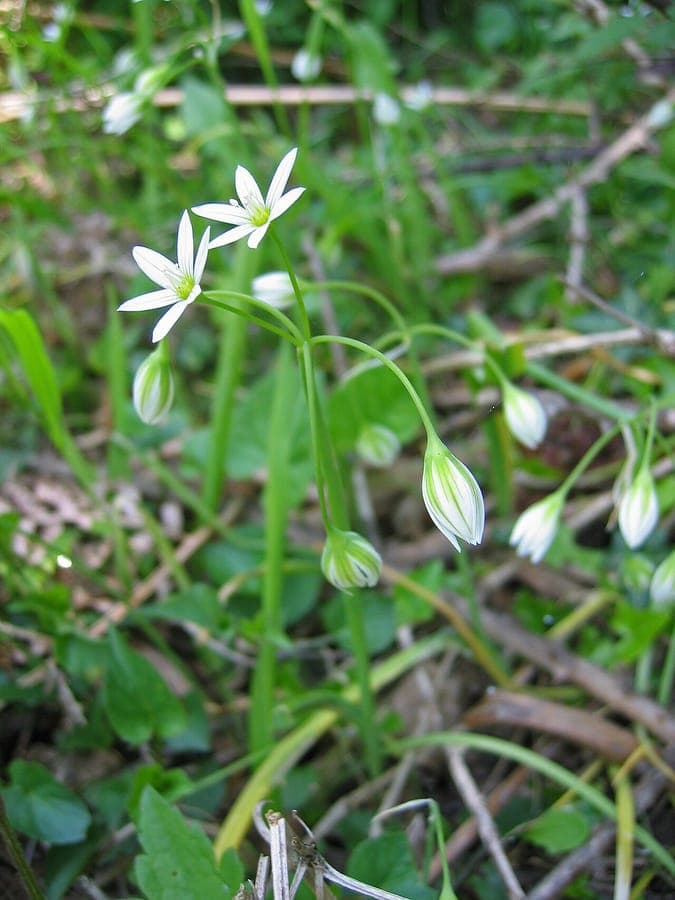
User:Tigerente / CC BY 2.5, via Wikimedia Commons
Italian garlic: complete guide
Allium pendulinum
Want to see Italian garlic: complete guide in your garden?
1 minute, no credit card
Overview
Allium pendulinum, commonly known as Italian garlic, is a graceful perennial bulb in the Amaryllidaceae family native to Corsica, southern France, and the Italian islands of Sardinia and Sicily. Unlike its culinary cousins, this allium is grown purely for its ornamental value. Standing 30–40 cm tall, it brings elegance to dry, sunny gardens with its delicate, nodding white flowers. It's a quiet performer, not loud or flashy, but perfectly at home in rock gardens, gravel beds, and Mediterranean-style borders.
Though still uncommon in mainstream UK and North American gardens, it's gaining attention among gardeners who appreciate subtlety and resilience. This plant thrives in low-maintenance settings and pairs beautifully with silver-foliaged herbs and drought-tolerant perennials. On gardenworld.app, you can design a custom planting scheme that highlights the airy charm of Italian garlic alongside complementary textures and forms.
Appearance & bloom cycle
The most striking feature of Allium pendulinum is its pendent, bell-shaped flower clusters. Each stem carries several small, star-like white blooms that face downward, creating a soft, dancing effect in the breeze. The foliage is narrow, grass-like, and bright green, appearing in early spring and fading by midsummer. Bloom time runs from April through June, depending on local climate and microsite conditions.
After flowering, the seed heads remain intact for weeks, adding visual interest even as the plant enters dormancy. The entire plant dies back completely in late summer, leaving no trace until the following spring. This seasonal rhythm means it works best when planted with companion species that fill the space once it retreats.
Ideal location
Italian garlic demands full sun – aim for a light rating of 8 or higher. It performs best in hot, dry spots where few other plants dare to grow. Ideal placements include the front to middle of sunny borders, rockeries, or dry stone walls. Avoid shaded or damp areas; these promote bulb rot and weak growth.
In cooler climates, choose a south-facing slope or wall to maximise heat retention. The plant benefits from thermal mass, such as gravel paths or stone edging, which absorb and reflect sunlight. If you're planning a xeriscape or gravel garden, use gardenworld.app to visualise how Italian garlic fits into a layered, drought-smart design.
Free design
Want to see Italian garlic: complete guide in your garden? Make a free design now.
Soil requirements
This allium thrives in well-drained, alkaline soil with a pH between 7.5 and 8.0. Sandy, gritty, or stony soils are perfect. Heavy clay must be改良d with horticultural grit, perlite, or coarse sand to improve drainage. Poor drainage, especially in winter, is the primary cause of bulb failure.
Plant bulbs in autumn (September to November) at a depth of 8–10 cm and spaced 10–15 cm apart. They can remain undisturbed for a decade or more if conditions are favourable. Avoid enriching the soil with excessive organic matter – this plant prefers lean, low-fertility ground.
Watering
Once established, Italian garlic is highly drought-tolerant. Water sparingly during active growth (February to June), only during prolonged dry spells. Never allow the soil to remain soggy. During summer dormancy, no watering is needed. Natural rainfall is sufficient. Overhead irrigation or frequent watering encourages rot and weakens the bulbs.
Pruning
Pruning isn't necessary. Allow the foliage to yellow and wither naturally after blooming. Cutting back green leaves reduces energy storage in the bulb, leading to weaker performance next year. Only remove dead material once it's fully brown and dry.
Maintenance calendar
- January: Dormant; no action
- February: Check for emerging shoots
- March: Light watering if dry
- April: Flowers begin; protect from slugs
- May: Peak bloom; avoid mulching over crowns
- June: Blooms fade; seed heads form
- July–August: Complete dieback; no water
- September: Soil prep for new plantings
- October–November: Plant or divide bulbs
- December: Dormant; protect from waterlogging
Winter hardiness
Italian garlic is hardy in USDA zones 5–8. It tolerates winter frost well, provided the soil drains freely. In wetter regions, raised beds or sloped ground help prevent rot. No winter protection is typically needed, even in colder zones.
Companion plants
Pair with plants that share its preference for sun and dry soil. Excellent companions include Lavandula angustifolia, Sedum 'Autumn Joy', Thymus serpyllum, Eryngium variifolium, and Stachys byzantina. These create a harmonious, low-water planting scheme that blooms in succession. Avoid moisture-loving perennials like astilbe or ligularia, which create conflicting needs.
Closing
Allium pendulinum is a quiet jewel for the thoughtful gardener. It won't dominate the border, but it adds fine texture and seasonal grace. With minimal care and no need for feeding, it's ideal for sustainable, wildlife-friendly gardens. Bulbs are available in autumn at garden centres across the UK and North America. Look for reputable suppliers that specialise in ornamental alliums. When planted in the right spot, Italian garlic returns reliably year after year – and with gardenworld.app, you can ensure it's placed where it shines brightest.
Want to see Italian garlic: complete guide in your garden? Make a free design now.
Upload a photo, pick a style, and get a photorealistic design with plant list in under a minute.
No credit card required


Similar plants
Douglas' Onion: complete guide
Allium douglasii
Douglas' onion is a compact ornamental allium with purple flowers, perfect for rock gardens and sunny borders. Learn care, siting and hardiness.
Oblique onion: complete guide
Allium obliquum
The oblique onion is a hardy ornamental allium with chartreuse flower heads and blue-green foliage. Location, soil and care explained.
False hooded garlic: complete guide
Allium pseudocalyptratum
Discover false hooded garlic (Allium pseudocalyptratum): a rare ornamental onion from Lebanon for rock gardens and alpine troughs.