
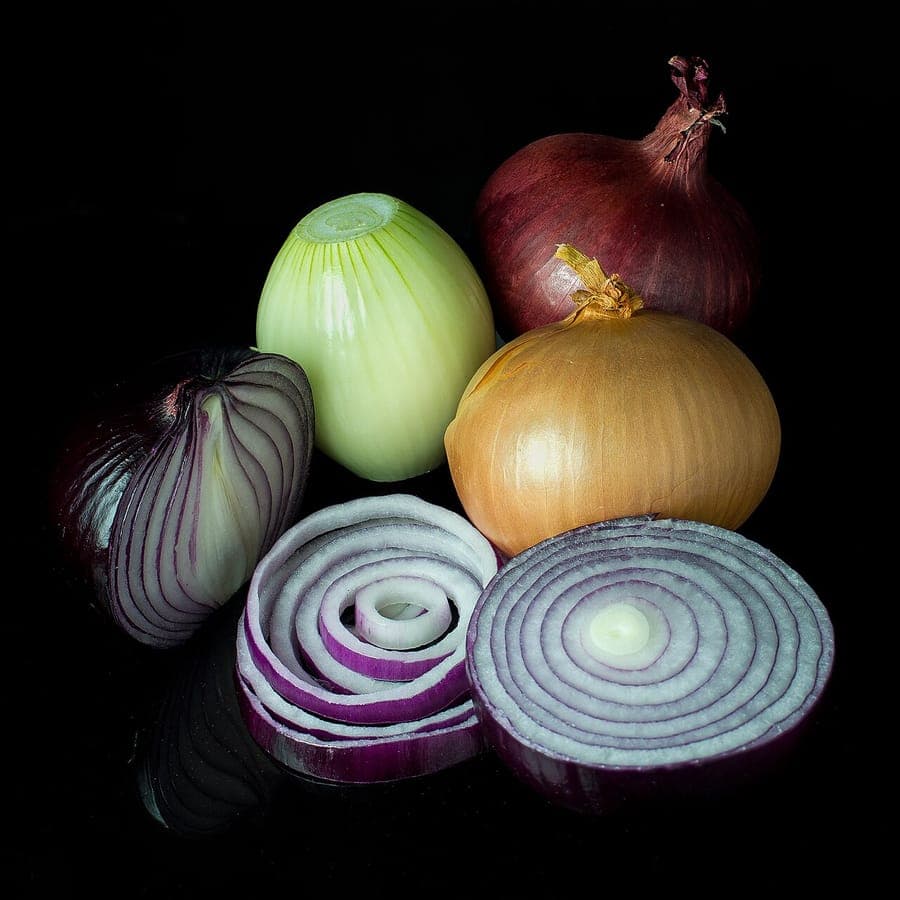
Colin / CC BY-SA 3.0, via Wikimedia Commons
Shallot: complete guide
Allium cepa
Want to see Shallot: complete guide in your garden?
1 minute, no credit card
Overview
Shallots (Allium cepa) aren't your average onion. They're a refined cousin with a delicate, slightly sweet, garlicky flavour that elevates everything from sauces to salads. Originally from Turkmenistan and part of the Amaryllidaceae family, shallots have been cultivated for centuries and now thrive in home gardens across temperate zones. Unlike regular onions that grow as single bulbs, shallots multiply, forming clusters of 3 to 6 bulbs per planting - making them perfect for small plots.
They're not just for eating - their tidy growth habit and subtle white flowers add charm to the vegetable patch. Whether you're planting in spring or autumn, they're low-maintenance and highly productive. Check gardenworld.app to design a raised bed layout that fits your shallot crop and rotates well with carrots or lettuce.
Appearance & bloom cycle
Shallots start as small, teardrop-shaped bulbs. When planted, they send up slender, hollow green shoots that reach 30–40 cm in height. In early summer, usually June, they produce round clusters of white flowers on sturdy stalks. These blooms last about three weeks and attract pollinators like hoverflies and bees.
The bulbs mature underground from late July through August. As the foliage yellows and flops over, it signals that harvest time is near. After pulling them up, let the bulbs dry in a warm, airy spot for two weeks. Once cured, they store beautifully for up to 10 months in a cool, dark cupboard.
Ideal location
Shallots need full sun - at least 6 to 8 hours of direct light daily. Choose an open, south-facing spot with no tree or structure casting shade. They grow well in traditional veg beds, but also do fine in containers that are at least 20 cm deep.
Avoid overcrowding; space bulbs 15 cm apart in rows 30 cm apart. Raised beds are ideal, especially in areas with heavy soil. Use gardenworld.app to map out your garden's sun exposure and plan where to place shallots for optimal growth.
Soil requirements
Well-drained soil is non-negotiable. Shallots hate wet feet and will rot in soggy ground. Aim for a light sandy loam or loamy soil with a pH between 6.0 and 7.0. Work in well-rotted compost or manure before planting to boost fertility.
If your soil is clay-heavy, improve drainage by mixing in coarse sand or planting in raised beds. Never plant shallots where onions, garlic, or leeks grew last season - this reduces the risk of fungal diseases like white rot. Crop rotation is key.
Free design
Want to see Shallot: complete guide in your garden? Make a free design now.
Watering
Water consistently but lightly. During active growth (March to June), aim for about 2.5 cm of water per week. Use drip irrigation or water at soil level to keep foliage dry and prevent fungal issues.
Reduce watering in July as the leaves begin to yellow. This drying-down period is crucial - it signals the bulbs to mature and prepares them for storage. Overwatering now leads to soft bulbs and poor shelf life.
Pruning
Shallots don't need pruning in the traditional sense, but you should remove flower stalks as soon as they appear - unless you're saving seed. Allowing the plant to flower diverts energy from bulb development, resulting in smaller yields.
Also, clip off any diseased or damaged leaves with clean, sterilized snips. Don't pull at the foliage, as this can disturb the developing bulbs.
Maintenance calendar
- February: Prepare soil. Add compost and check pH.
- March: Plant shallot sets 2 cm deep, 15 cm apart. Ideal for spring planting.
- April–May: Weed regularly. Apply a potassium-rich feed to encourage bulb growth.
- June: Flowers appear. Watch for aphids and thrips.
- July: Stop watering. Foliage begins to yellow and fall.
- August: Harvest when 75% of leaves have collapsed. Cure bulbs for 2 weeks.
- September–November: Autumn planting possible in USDA zones 7 and above.
Winter hardiness
Shallots are moderately hardy. They can survive winter lows down to -10°C (USDA zone 6), especially when planted in autumn. In colder zones, mulch with straw or dry leaves to protect against freeze-thaw cycles.
In milder regions (like the UK or Pacific Northwest), autumn planting yields larger bulbs the following summer. Avoid planting in frozen or waterlogged soil. October to early November is ideal for fall sets.
Companion plants
Plant shallots near carrots, beets, strawberries, and leafy greens. Their scent deters carrot flies and aphids. They also grow well with herbs like thyme and sage.
Avoid planting near legumes - beans and peas - as alliums can inhibit their growth. Keep them away from asparagus too, which prefers undisturbed soil.
Closing
Shallots are a must-grow for any kitchen gardener. They're compact, productive, and pack more flavour than standard onions. With minimal effort, you'll enjoy a long-lasting harvest that elevates your cooking all year round.
Buy quality sets from trusted garden centres - look for firm, dry bulbs without mould or sprouting. Avoid bargain bins with soft or shrunken stock. Plan your layout smartly: on gardenworld.app, you can simulate crop rotation and spacing to keep your soil healthy and your yields high.
Want to see Shallot: complete guide in your garden? Make a free design now.
Upload a photo, pick a style, and get a photorealistic design with plant list in under a minute.
No credit card required


Similar plants
Douglas' Onion: complete guide
Allium douglasii
Douglas' onion is a compact ornamental allium with purple flowers, perfect for rock gardens and sunny borders. Learn care, siting and hardiness.
Oblique onion: complete guide
Allium obliquum
The oblique onion is a hardy ornamental allium with chartreuse flower heads and blue-green foliage. Location, soil and care explained.
False hooded garlic: complete guide
Allium pseudocalyptratum
Discover false hooded garlic (Allium pseudocalyptratum): a rare ornamental onion from Lebanon for rock gardens and alpine troughs.