
Wikimedia Commons / CC BY-SA 3.0, via Wikimedia Commons
Hairy lady's-mantle: complete guide
Alchemilla filicaulis
Want to see Hairy lady's-mantle: complete guide in your garden?
1 minute, no credit card
Overview
Hairy lady's-mantle (Alchemilla filicaulis) is a refined, herbaceous perennial that brings subtle charm to garden borders and shaded corners. A member of the Rosaceae family, it's native to temperate regions across Central and Northern Europe, including Finland, Belgium, Denmark, and parts of Russia. Unlike its more common cousin Alchemilla mollis, this species is less aggressive, making it ideal for smaller or more controlled garden settings.
Typically reaching 20–35 cm in height, it spreads slowly via rhizomes without becoming invasive. Its foliage forms a dense, low mound that stays fresh through spring and early summer. The bloom period, from May to late June, adds a soft glow of chartreuse flowers that pair beautifully with blue-toned perennials and ferns.
On gardenworld.app, you can design a planting scheme that highlights Hairy lady's-mantle alongside compatible companions, ensuring optimal spacing and light exposure.
Appearance & bloom cycle
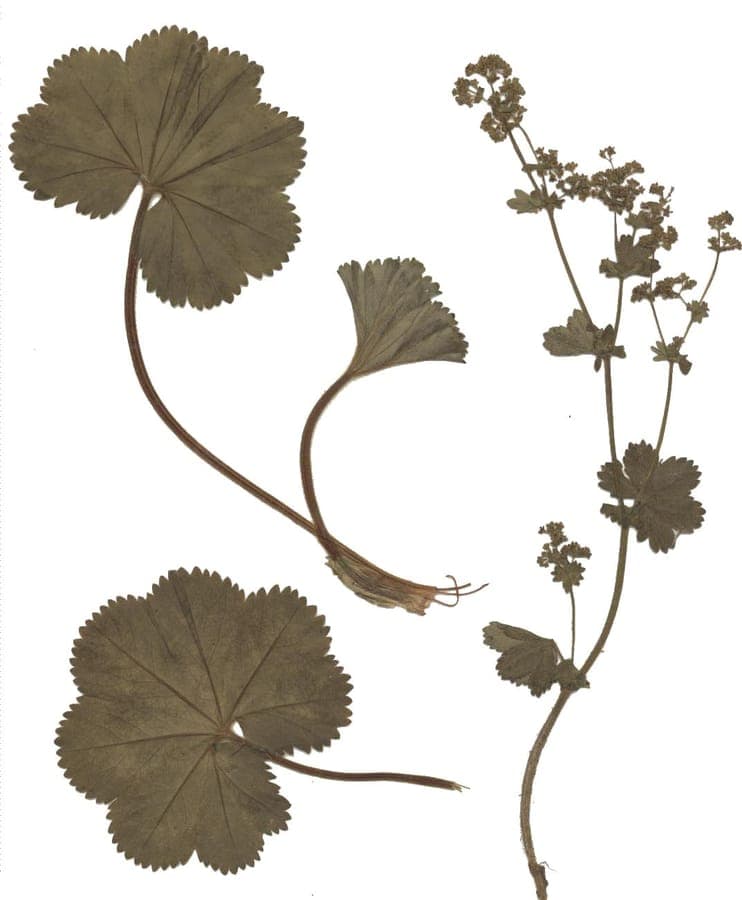
The leaves are deeply lobed, palmate, and rich green with a distinctly wrinkled texture. Each leaf, about 4–6 cm wide, is supported by slender, hairy petioles that often carry a faint reddish tint. The fine trichomes on the foliage give the plant its common name and contribute to water retention, creating tiny beads of dew in the morning.
Flower stalks rise above the foliage, bearing compact, panicle-like inflorescences of tiny yellow-green florets. Individual flowers are only 2–3 mm across but cluster densely, creating a luminous effect. They bloom from mid-May to end of June and remain attractive even after flowering, especially when backlit by low sunlight.
Ideal location
This plant thrives in partial to dappled shade, scoring an 8 on the light scale (1–10). While it needs good light, it should be protected from harsh afternoon sun, particularly in southern exposures. Ideal spots include beneath open-canopy trees, along north- or east-facing walls, or in moist woodland borders.
In full sun, especially in warmer microclimates, the leaves may scorch or wilt. Morning sun with afternoon shade is perfect. Use gardenworld.app to simulate sun patterns in your garden and pinpoint the best planting zone.
Soil requirements
Hairy lady's-mantle prefers rich, humus-rich, well-drained soil that stays consistently moist. The ideal pH range is 5.0 to 5.5 - slightly acidic. Heavy clay soils should be amended with compost or leaf mold to improve drainage and aeration.
Sandy soils require regular additions of organic matter to retain moisture. Without sufficient humus, the plant may struggle during dry spells, especially in USDA hardiness zones 7–8 where summer droughts are common.
Watering
This species has moderate to high water needs. From April through September, the soil should never dry out completely. During dry weeks, water deeply 1–2 times per week, focusing on root zone hydration.
Avoid overhead watering to prevent fungal diseases. Rainwater is preferred, as tap water with high lime content can raise soil pH over time. Mulching with leaf litter helps maintain moisture and mimics natural woodland conditions.
Free design
Want to see Hairy lady's-mantle: complete guide in your garden? Make a free design now.
Pruning
Pruning is minimal. After flowering, cut back spent flower stems to maintain a tidy appearance and discourage self-seeding. If you want to collect seeds or allow natural spread, leave a few inflorescences in place until late summer.
In early spring (March), remove any damaged or old foliage to make room for new growth. Avoid cutting too early in winter, as the leaves provide some protection for the crown.
Maintenance calendar
- January: No action needed unless heavy snow compacts foliage - gently brush off.
- February: Prepare soil for transplanting; add compost if needed.
- March: Clear old leaves, apply a light compost layer.
- April: Monitor for new shoots; begin regular watering.
- May: Flowers emerge; keep soil moist.
- June: Peak bloom; deadhead if desired.
- July: No flowering; check for drought stress.
- August: Transplant any seedlings that have established.
- September: Final growth phase; stop fertilizing.
- October: Leave foliage as winter mulch.
- November: No maintenance required.
- December: Protect young plants with bracken or straw in colder zones.
Winter hardiness
Hairy lady's-mantle is hardy in USDA zones 5 to 8, tolerating temperatures down to -20°C. In zone 7b (most of the UK and Pacific Northwest US), it overwinters reliably with minimal care. Mature plants need no cover, but first-year specimens benefit from a light mulch of leaves or straw.
Avoid heavy mulches like bark chips, which can trap moisture and cause rot. The plant dies back in winter but reliably re-emerges in spring.
Companion plants
This lady's-mantle pairs well with shade-loving perennials like Hosta, ferns, Tiarella, and Pulmonaria. The soft yellow flowers contrast beautifully with deep blue Geranium phaeum or purple Allium nigrum. Use it as an edging plant or ground cover in mixed borders.
Avoid pairing with aggressive spreaders like mint or Ligularia, which may overwhelm it. It also looks striking with spring bulbs such as Chionodoxa or Muscari, creating early-season interest.
Closing
Hairy lady's-mantle is a graceful, low-maintenance plant that adds texture and subtle color to shaded gardens. Its non-invasive nature and long seasonal interest make it a smart choice for cottage gardens, woodland edges, and urban courtyards. While not always available at mainstream garden centres, it can sometimes be found in specialty nurseries or spring displays at stores like garden centres in the UK.
If you're designing a moisture-loving, shade-tolerant planting scheme, this species deserves a spot. And remember, on gardenworld.app you can create a custom garden plan that integrates Hairy lady's-mantle with other shade-friendly plants for a cohesive, thriving space.
Want to see Hairy lady's-mantle: complete guide in your garden? Make a free design now.
Upload a photo, pick a style, and get a photorealistic design with plant list in under a minute.
No credit card required


Similar plants
Siberian crab apple: complete guide
Malus x robusta
Complete guide to the Siberian crab apple (Malus x robusta): location, soil, pruning, winter hardiness and the best companion plants for your garden.
Chinese flowering crabapple (Malus x spectabilis): complete guide
Malus x spectabilis
Meet the Chinese flowering crabapple (Malus x spectabilis): a classic spring bloomer with carmine buds and pink blossom.
Potentilla crassinervia: complete guide
Potentilla crassinervia
Potentilla crassinervia, the Corsican cinquefoil, grows wild on Corsica and Sardinia's peaks. Discover how to grow this hardy alpine rock garden gem.