
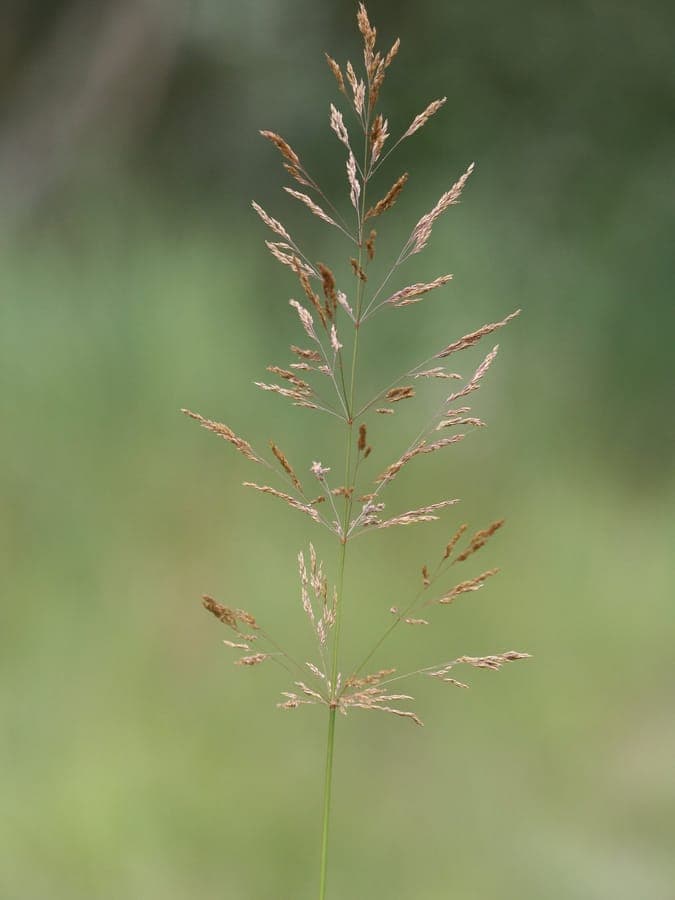
Kristian Peters -- Fabelfroh 07:06, 19 August 2007 (UTC) / CC BY-SA 3.0, via Wikimedia Commons
Redtop: complete guide
Agrostis gigantea
Want to see Redtop: complete guide in your garden?
1 minute, no credit card
Overview
Redtop, known scientifically as Agrostis gigantea, is a resilient grass species often found in damp meadows, roadside ditches, and wetland margins. Native to parts of Europe, North Africa, and Western Asia, it's a member of the Poaceae family and adapts well to a range of temperate garden conditions. In the UK and North America, it's sometimes considered a weed in lawns, but in the right setting, it's a valuable ornamental grass for naturalistic planting schemes.
It grows between 60 and 120 cm tall, depending on soil moisture and light. The growth habit is upright with a slight arch, giving it a soft, flowing appearance. Unlike flashy grasses like Pennisetum or Calamagrostis, redtop brings subtle texture rather than bold drama-perfect for blending into wildflower meadows or damp borders.
On gardenworld.app, you can design a planting plan that includes redtop alongside moisture-loving perennials like astilbe or ligularia, creating a dynamic, low-effort garden.
Appearance & bloom cycle
Redtop features fine-textured green foliage that emerges in spring with a fresh, bright tone. From late June through August, airy inflorescences rise above the foliage-pale grey to silvery-white plumes that catch the light and flutter in the breeze. These panicles are loosely branched and give the plant a hazy, cloud-like effect.
The blooming period lasts about 6–8 weeks. After flowering, the plumes dry and persist into winter, providing visual interest and habitat for small insects and birds. Foliage turns pale yellow to light brown in autumn but rarely collapses, maintaining structure through the colder months.
Ideal location
Redtop performs best in full sun to light shade (around 7/10 on the light scale). It thrives in open, sunny spots but tolerates dappled shade under light tree canopies. Avoid deep shade, as it leads to floppy growth and reduced flowering.
This grass excels in moist to wet soils, making it ideal for rain gardens, pond edges, or low-lying areas prone to waterlogging. It's also suitable for grassland restoration or naturalistic planting in larger gardens. Don't plant it in dry, sandy beds or under drought-prone trees.
Soil requirements
Redtop isn't fussy about soil fertility but demands consistent moisture. It grows well in clay, loam, or silty soils as long as drainage isn't too rapid. The ideal pH range is 4.5 to 7.5-acidic to neutral. It struggles in highly alkaline soils above pH 8.
For best results, plant in humus-rich, moisture-retentive soil. If your soil is sandy, amend it with well-rotted compost or leaf mould. Avoid letting the root zone dry out, especially during the first growing season.
Free design
Want to see Redtop: complete guide in your garden? Make a free design now.
Watering
Once established, redtop handles occasional dry spells, but prolonged drought causes leaf tip burn and stunted growth. In average summers, natural rainfall is sufficient. During extended dry periods (3+ weeks without rain), water deeply once a week-about 10 litres per square metre.
Use rainwater when possible, especially in regions with hard tap water. Water in the morning to reduce evaporation and fungal risk. Avoid overhead watering late in the day.
Pruning
Redtop doesn't require frequent pruning. The best practice is to cut it back in late winter or early spring (February to March), leaving 10–15 cm of stem above ground. This removes old growth and encourages fresh, upright foliage.
Use sharp shears or a grass hook. Wear gloves-dry stems can be scratchy. Don't cut during hard frosts. Leaving the old stems through winter adds texture and supports overwintering insects.
Maintenance calendar
- January: inspect for pest damage, remove broken stems
- February: start cutting back as temperatures rise
- March: complete pruning, add compost if needed
- April: new shoots emerge, monitor soil moisture
- May: check for plume development
- June: flowering begins, watch for drooping in dry weather
- July: peak bloom, ensure consistent moisture
- August: seed heads mature, reduce watering if rainy
- September: plumes fade, avoid fertilising
- October: leave standing for winter interest
- November: minimal care, protect from compaction
- December: no action needed, fully dormant
gardenworld.app offers a custom maintenance tracker for redtop, with seasonal reminders for pruning, soil checks, and companion planting suggestions.
Winter hardiness
Redtop is hardy in USDA zones 4 to 8. It survives temperatures down to -25°C without protection. The plant remains semi-evergreen in milder climates and provides valuable winter structure.
No mulching or covering is required. The dried foliage insulates the crown and offers shelter to beneficial insects. Avoid heavy foot traffic over clumps in winter.
Companion plants
Pair redtop with other moisture-tolerant perennials such as Eutrochium maculatum, Iris versicolor, Carex vulpinoidea, and Filipendula rubra. Its soft texture contrasts well with bold foliage plants like rodgersia or ligularia.
Avoid pairing with drought-loving species like sedum or thyme. Instead, use it in rain gardens, wet meadows, or alongside ferns and astilbes. It also works well in bioswales or erosion-prone slopes.
Closing
Redtop isn't a flashy garden star, but it's a dependable, low-maintenance grass that shines in the right environment. With its airy plumes, year-round structure, and tolerance for wet soils, it's an excellent choice for naturalistic gardens. It doesn't need staking, fertilising, or frequent division.
Find redtop at garden centres across the UK and North America. Look for plugs or small pots at independent nurseries or online retailers. Be mindful of its potential to self-seed in wild areas-plant responsibly, especially near conservation zones.
Want to see Redtop: complete guide in your garden? Make a free design now.
Upload a photo, pick a style, and get a photorealistic design with plant list in under a minute.
No credit card required


Similar plants
Sporobolus pungens: complete guide
Sporobolus pungens
Sporobolus pungens is a stoloniferous Mediterranean coastal grass with outstanding salt and drought tolerance, perfect for seaside and dry gardens.
Mediterranean aegilops: complete guide
Aegilops biuncialis
Everything about Aegilops biuncialis, a Mediterranean annual grass with ornamental spikes and outstanding drought tolerance for dry gardens.
Silver bluestem: complete guide
Bothriochloa saccharoides
Full guide to Bothriochloa saccharoides (silver bluestem): site, soil, watering, winter hardiness, pruning, and garden companions.