
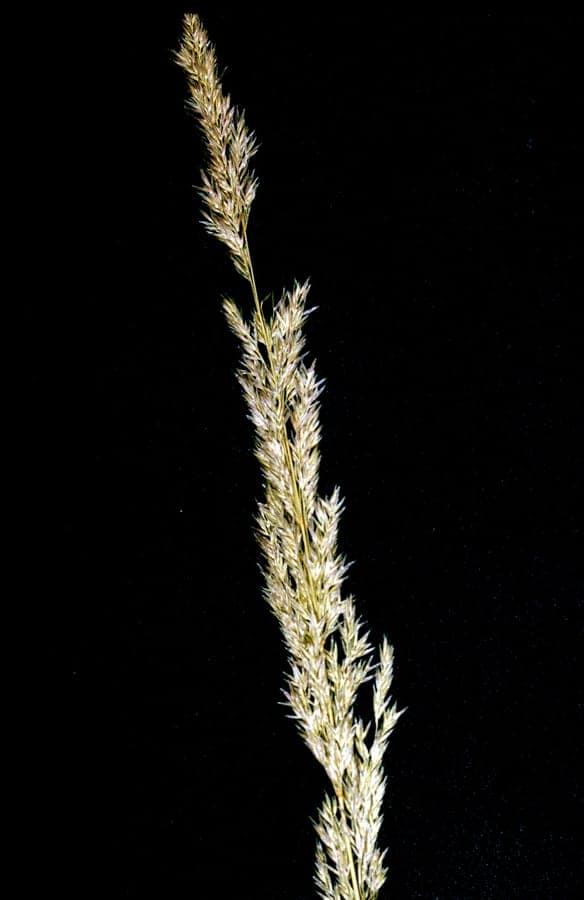
Robert H. Mohlenbrock. USDA NRCS. 1992. Western wetland flora: Field office guide to plant species. West Region, Sacramento, CA. / Public domain, via Wikimedia Commons
Spike Redtop: complete guide
Agrostis exarata
Want to see Spike Redtop: complete guide in your garden?
1 minute, no credit card
Spike Redtop, scientifically Agrostis exarata, is an important native grass from North America. This semi-hardy perennial grows from Kamchatka to Mexico, giving it a broad climate tolerance. In gardens, it is valuable for ecological services, fine leaf texture, and decorative panicles that provide bird seed. It reaches 30-60 cm height and spreads gently via rhizomes, thriving in USDA zones 2-9, making it reliable in the Netherlands, Belgium, and France.
Overview
Spike Redtop is known for elegant, fine leaf bundles and spiked flower stems. This grass excels in natural garden designs, on slopes for erosion control, and in moist environments. The plant establishes steadily, with minimal invasiveness. The architecture is airy and refined, providing vertical interest without bulk.
Appearance and Bloom
Agrostis exarata grows in loose, elegant bundles with very thin, grey-green leaves (1-3 mm wide). From June to August, delicate purple to brown-red flower panicles appear on slender, upright stems, 20-40 cm tall. The panicles have a very fine, hair-like appearance and remain attractive through autumn and early winter. Self-seeding happens spontaneously in moist soil.
Ideal Location
This grass thrives in places with regular moisture: water edges, wet meadows, ditches, and slopes with well-drained acidic or neutral soil. Full sun is fine, but partial shade is also tolerated. Avoid dry, sandy locations during the growing season (May-September). Plant density: 3-5 per m2.
Soil
Use loose, humus-rich soil with good water permeability. Spike Redtop accepts neutral to acidic pH (6.0-7.5). Add sand or peat to heavy clay soils (20 cm layer) for erosion control. Incorporate compost or slow-release fertilizer (10 g/m2 nitrogen annually).
Free design
Want to see Spike Redtop: complete guide in your garden? Make a free design now.
Watering
Water regularly after planting (first 3 months), especially during dry periods. Once the root system is deep, the grass tolerates considerable drought, though regular moisture is preferred. In dry summers, water 15-25 mm weekly. Irrigation in July-August promotes second growth flush.
Pruning
Leave dead panicles standing until late November/December for bird food and winter interest. Grassland mowing in March (5-10 cm cut height). Remove dense litter layers annually to prevent rot. Fading leaves in July can be removed to encourage fresh growth.
Maintenance Calendar
- March: Spring cleanup; mow to 5 cm; add compost (5 tons/hectare)
- April-May: Seeding possible; support young plants
- June-July: Bloom; no intervention needed
- August: Second growth; optional watering
- September-October: Seed set; allow seeds to ripen
- November-December: Leave dead material standing
- January-February: Frost protection not needed; check drainage
Winter Hardiness
Spike Redtop is very hardy to USDA zone 2 (-45 C minimum). In the Netherlands, Belgium, and France, no frost protection is needed. Dead leaves protect the crown against -15 to -20 C.
Companion Planting
Complementary grasses: Deschampsia cespitosa (tufted hair-grass), Molinia caerulea (purple moor-grass), Carex flacca (blue sedge). With wildflowers: Geranium pratense, Helleborus niger, Astilbe. Attracts beneficial insects.
Closing Remarks
Spike Redtop is a valuable native grass for wet and semi-wet gardens. With proper water management and regular maintenance, fine, elegant plants thrive for ten years. This grass performs ecological functions and makes gardens quieter and more natural. Visit local garden centers for seeds and young plants. Gardenworld.app helps design suitable plant combinations.
Want to see Spike Redtop: complete guide in your garden? Make a free design now.
Upload a photo, pick a style, and get a photorealistic design with plant list in under a minute.
No credit card required


Similar plants
Sporobolus pungens: complete guide
Sporobolus pungens
Sporobolus pungens is a stoloniferous Mediterranean coastal grass with outstanding salt and drought tolerance, perfect for seaside and dry gardens.
Mediterranean aegilops: complete guide
Aegilops biuncialis
Everything about Aegilops biuncialis, a Mediterranean annual grass with ornamental spikes and outstanding drought tolerance for dry gardens.
Silver bluestem: complete guide
Bothriochloa saccharoides
Full guide to Bothriochloa saccharoides (silver bluestem): site, soil, watering, winter hardiness, pruning, and garden companions.