
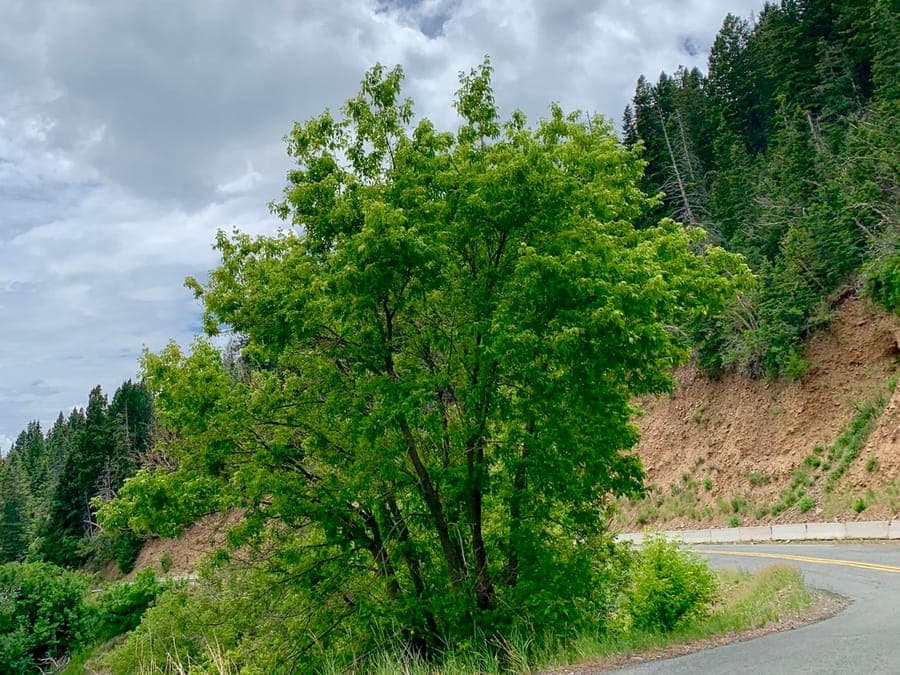
CK Kelly / CC BY 4.0, via Wikimedia Commons
Ash-leaf maple: complete guide
Acer negundo
Want to see Ash-leaf maple: complete guide in your garden?
1 minute, no credit card
Overview
The ash-leaf maple (Acer negundo) is a fast-growing deciduous tree that thrives in a wide range of conditions, making it a common sight in urban parks, roadside plantings, and suburban gardens. Native to regions from Arizona to Illinois and even parts of Central America, this tree is a member of the Sapindaceae family and stands out for its compound, ash-like foliage-a rarity among maples. It typically reaches 12–15 meters in height with a spread of 8–10 meters, forming a broad, open canopy in 10–15 years.
One thing many gardeners overlook is its aggressive root system. These roots can lift paving, invade drains, and compete fiercely with nearby plants. Always plant at least 5 meters from buildings, septic tanks, or underground utilities. On gardenworld.app, you can visualise root spread and plan your layout to avoid costly conflicts down the line.
While it's not the most ornamental maple, its rapid growth and tolerance to pollution, drought, and compacted soils make it a practical choice-especially in new developments or exposed sites.
Appearance & bloom cycle
Unlike most maples, Acer negundo has pinnately compound leaves with 3 to 5 leaflets, giving it a feathery, almost tropical look in spring and summer. The leaves emerge light green in April, darken through the season, and turn a pale yellow in autumn-modest compared to sugar or red maples, but still noticeable. Fall color usually peaks in late October to mid-November, depending on climate.
Flowering occurs in March to early April, just before leaf emergence. The small, greenish-yellow flowers hang in drooping clusters and are wind-pollinated. They're not showy, but they support early pollinators. By May, paired samaras (winged seeds) develop, reaching up to 3 cm long. These disperse widely by wind, often sprouting in lawns, cracks in pavement, or neighbouring gardens-making this tree mildly invasive in some areas.
Male and female flowers are often on separate trees (dioecious), so female trees produce the majority of seeds. If you're concerned about self-seeding, consider planting a male cultivar like 'Flamingo' or 'Variegatum'.
Ideal location
Ash-leaf maples prefer full sun (8–10 on the light scale) for best growth and canopy density. They tolerate light shade but will grow more sparsely and lean toward the light. Choose a site with ample space-minimum 8 meters from structures-and avoid planting near sidewalks or driveways due to surface root development.
This tree is hardy in USDA zones 4–9 (-34°C to -7°C), making it suitable for most of the UK, US, and central Europe. It handles urban stress well, including salt spray and air pollution, so it's often used in street planting schemes. However, it dislikes stagnant water, so avoid low-lying, poorly drained areas.
On gardenworld.app, you can overlay seasonal sun patterns to find the perfect spot where your ash-leaf maple won't cast unwanted shade on patios or vegetable beds.
Soil requirements
This maple is adaptable to nearly any soil type-sand, loam, or clay-as long as drainage is adequate. The pH range is broad: 5.0 to 7.8. It tolerates mildly acidic to slightly alkaline conditions without issue. In heavy clay, amend with grit or compost to improve drainage. Avoid overly rich soils or excessive organic matter, which can encourage weak growth and root rot.
Plant with native soil; don't over-enrich the planting hole. A 5 cm mulch layer of wood chips helps retain moisture and suppress weeds, but keep mulch away from the trunk to prevent rot.
Free design
Want to see Ash-leaf maple: complete guide in your garden? Make a free design now.
Watering
During the first growing season, water deeply twice a week-about 20–30 liters per session. After establishment, it's moderately drought-tolerant but benefits from supplemental watering during prolonged dry spells (3+ weeks without rain). Mature trees rarely need irrigation unless under extreme stress.
Young trees in full sun may suffer leaf scorch in heatwaves above 30°C. In such cases, provide temporary shade or increase watering frequency in June and July.
Pruning
Never prune in late winter or early spring-maples 'bleed' sap heavily if cut during this period. The best time is mid-summer to early autumn (July–September), when the tree is less active.
Focus on removing dead, damaged, or crossing branches. Avoid heavy pruning; this species doesn't respond well to drastic cuts. Maintain a central leader for structural integrity, especially in windy areas. Use sharp, sterilised tools to prevent disease transmission.
Maintenance calendar
- January: Inspect trunk for cracks or animal damage. No pruning.
- February: Check staking on young trees. Remove winter ties if restricting growth.
- March: Flowers appear. Avoid pruning.
- April: Monitor for seedlings. Remove unwanted sprouts.
- May: Samaras develop. Watch for aphids or fungal spots.
- June: Water during dry spells. Check for leaf scorch.
- July: Light pruning window opens. Mulch if needed.
- August: Continue monitoring seedlings. Water if no rain for 3 weeks.
- September: Final pruning month. Remove deadwood.
- October: Leaves turn yellow. Rake and compost.
- November: Seed dispersal ends. Clean up fallen samaras.
- December: Dormant. No action required.
Winter hardiness
Acer negundo is hardy to USDA zone 4, surviving temperatures down to -34°C. Mature trees handle winter well, but young trunks may suffer frost cracks in exposed sites. Wrap the lower trunk with tree tape or burlap for the first two winters to prevent sunscald and rodent damage.
No additional winter protection is needed beyond this.
Companion plants
Underplant with drought-tolerant, shallow-rooted species like Carex vulgaris, Geranium macrorrhizum, or Alchemilla mollis. Avoid aggressive groundcovers like ivy or vinca, which compete for water. In woodland gardens, pair with Pulmonaria or Euphorbia amygdaloides.
For structure, use boxwood or holly to frame the base. Keep a 1.5-meter clear zone around the trunk to reduce competition and improve air circulation.
Closing
The ash-leaf maple is a tough, fast-growing tree ideal for quick shade and urban resilience. But its weedy seedlings and invasive roots demand thoughtful placement. Stick to male cultivars if you want to minimise maintenance, and always give it room to grow.
Available in spring at most garden centres, particularly in the US and UK. Look for specimens with straight trunks and balanced branching. With gardenworld.app, you can simulate how your ash-leaf maple will grow over time, helping you avoid future conflicts with power lines, fences, or neighbours' gardens.
Want to see Ash-leaf maple: complete guide in your garden? Make a free design now.
Upload a photo, pick a style, and get a photorealistic design with plant list in under a minute.
No credit card required


Similar plants
Acer pycnanthum: complete guide
Acer pycnanthum
Acer pycnanthum, the Japanese swamp maple, is a fast-growing tree with early red flowers and brilliant autumn color, ideal for damp garden settings.
Freeman maple: complete guide
Acer × freemanii
Everything about the Freeman maple (Acer x freemanii): a fast-growing shade tree with spectacular autumn colour for large gardens.
Wild ackee: complete guide
Cupania americana
A comprehensive guide to Cupania americana, a tropical tree from the Sapindaceae family with conspicuous white flowers and brown fruits, native to tropical America.