
Murray Fagg / CC BY 3.0, via Wikimedia Commons
Black wattle: complete guide
Acacia decurrens
Want to see Black wattle: complete guide in your garden?
1 minute, no credit card
Overview
Black wattle is a versatile tree species native to southeastern Australia, prized for rapid growth and elegant appearance. This species can reach impressive heights within just a few years, making it popular for landscape design, windbreaks, and timber production. With its delicate, finely divided foliage and vibrant yellow flower clusters, the black wattle offers both aesthetic appeal and practical value. In warm regions worldwide, this tree has become a favorite choice for quick screening and shelter.
Appearance and bloom
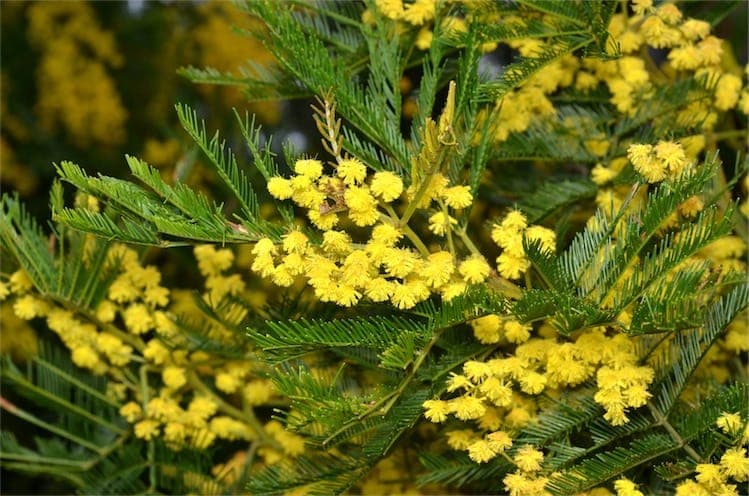
Black wattle develops into a graceful, upright tree with a naturally balanced crown. The leaves are bipinnate with extremely fine, feathery divisions that create an almost cloud-like silhouette. The fine texture allows dappled light to pass through, creating pleasant shadow patterns. Brilliant yellow flowers appear in dense, cylindrical spikes during late autumn through early winter, depending on climate. These fragrant blooms attract numerous pollinators and add significant visual interest. Following the flowers, thin brown seed pods develop and mature slowly. Mature bark is dark brown to blackish, rough with deep furrows.
Ideal location
Black wattle thrives in full sun situations with at least 6 to 8 hours of direct sunlight daily. This sunlight exposure ensures optimal growth and prolific flowering. While the tree tolerates semi-shade, it will be less dense and flower more sparsely. Provide windbreak protection for young trees, although mature specimens are quite wind-resistant. In regions with intense summer heat, light afternoon shade can prevent leaf scorch and reduce water stress.
Soil
Black wattle is not fussy about soil composition, though it performs best in well-draining, slightly acidic to neutral soil. The tree tolerates poor and rich soils equally well. Heavy clay must be amended with sand and organic matter to improve drainage and prevent waterlogging. A mulch layer of 5 to 7 centimeters of organic matter around the base helps retain soil moisture and keeps roots cool. Avoid waterlogged soils where standing water causes root rot and fungal diseases.
Watering
Young trees require regular watering, especially during establishment. Water 2 to 3 times weekly for the first year, adjusting for rainfall and temperature. Once established, mature trees are quite drought-tolerant and need supplemental water only during extended dry periods. In climates with well-distributed rainfall, additional irrigation is often unnecessary. Avoid overwatering, which invites root diseases. Check soil moisture by feel: it should be moist but never waterlogged.
Free design
Want to see Black wattle: complete guide in your garden? Make a free design now.
Pruning
Regular pruning helps black wattle maintain a neat, compact form and encourages dense, full growth. Prune in early spring before new growth emerges. Remove dead, damaged, or diseased branches promptly. Thin overcrowded branches to improve air circulation and light penetration. Young trees may experience frost damage; prune back to healthy growth. Mature trees tolerate aggressive pruning well and regenerate quickly.
Maintenance calendar
January to March: prepare for blooming period with nutrition checks. April to June: main flowering time with yellow spikes; water regularly and monitor for pests. July to September: active growth period; prune after flowering if needed. October to December: dormant season; plan next year's care. Apply slow-release fertilizer once yearly (April) for steady growth without excessive vigor.
Winter hardiness
Black wattle is suitable for USDA hardiness zones 8b to 10, tolerating winter lows to about -7 to -9 degrees Celsius, though young plants are more sensitive. In cold climates, provide winter protection or grow in containers and overwinter indoors. Frost commonly damages young branches; prune back in spring. In very cold regions, treat as a seasonal or greenhouse specimen. In mild climates, it grows without protection.
Companion plants
Black wattle works well with other Mediterranean or Australian plants that love dry, sunny locations. Excellent companions include lavender, rosemary, eucalyptus varieties, and Protea species. Underplanting with low-growing succulents or native grasses requires no supplemental water. In wetter regions, combine with other moisture-loving shrubs. Avoid pairing with plants having aggressive root systems that would compete.
Closing thoughts
Black wattle is a beautiful, versatile tree that delivers quick results. With proper drainage, regular watering during establishment, and minimal ongoing care, you'll enjoy a full, elegant specimen. Whether selected for landscape design, windbreaks, or pure visual appeal, this Australian beauty demonstrates why it's treasured worldwide. Visit local tree nurseries or garden centres in garden centres across the UK for quality specimens and expert guidance.
gardenworld.app: Perfect your garden plan with tailored plant combinations and design layouts at gardenworld.app.
gardenworld.app: Get your garden vision to life-design your ideal front yard transformation on gardenworld.app!
Want to see Black wattle: complete guide in your garden? Make a free design now.
Upload a photo, pick a style, and get a photorealistic design with plant list in under a minute.
No credit card required


Similar plants
Tall Silky Lupine: complete guide
Lupinus elatus
Tall silky lupine is a fast-growing Californian perennial with silvery foliage and blue-purple flower spikes, ideal for a prairie-style garden.
Garfield Lupine: complete guide
Lupinus garfieldensis
The Garfield lupine is a rare, fast-growing American perennial for alkaline, dry grassland gardens, with striking blue flower spikes.
Lupinus elegans: complete guide
Lupinus elegans
Lupinus elegans, the elegant lupine, is a spectacular blooming plant from Mexico with blue flower spikes. Care, cultivation and garden use.