

Beech hedge or hornbeam: the difference and what suits your soil
By the GardenWorld editorial team, updated on
Want to see this in your garden?
Full design in HD: €7.99
Why choosing the right hedge matters
Hedges grow for twenty to thirty years, so a wrong choice means years of frustration: bare patches, slow growth, or a hedge that simply refuses to settle into your soil. Beech (Fagus sylvatica) and hornbeam (Carpinus betulus) look like siblings, but their needs for soil, frost tolerance and winter leaf cover are quite different. This guide helps you pick the right one for your garden.
If your soil is dry and you want minimal pruning, beech is your answer. If your garden sits on clay, or water pools after rain, hornbeam is the stronger choice. Not sure which hedge suits your garden? At gardenworld.app you can preview a design with your own garden photo before you decide.
Beech (Fagus sylvatica): classic, but picky about soil
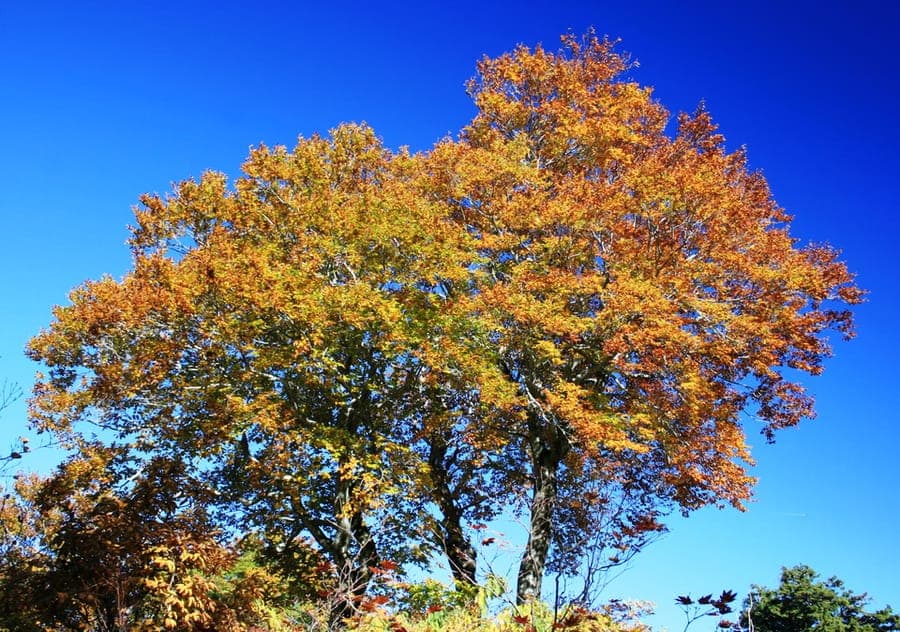
Beech is the classic hedge plant: deep green in summer, russet gold in autumn, and brown leaves that stay on the branches all winter (marcescence). Those winter leaves give you privacy and a warm look through the darker months. That is why many gardeners choose beech for its calm, tidy presence.
Beech grows at a good pace: 50 to 60 centimetres a year in decent soil. After four years you have a mature hedge 2 to 2.5 metres tall. Prune twice a year, in mid-May and early September, and beech keeps a tight, dense shape. Pruning once a year also works, but you get more growth at the top than on the sides.
The catch: beech wants dry soil. Its roots sit shallow and need oxygen. If your ground is wet, water pools after rain, or you have heavy clay, beech will disappoint you with thin, yellowing patches. Nurseries sell it readily since it grows fast and sells well, but on the wrong soil you are left with the problem.
Price: beech costs 2 to 4 euros per plant, about 10 to 15 euros per metre at normal spacing. Larger plants of 1.5 metres with an extra root ball cost 7 to 10 euros each.
Hornbeam (Carpinus betulus): the robust choice for wet soil
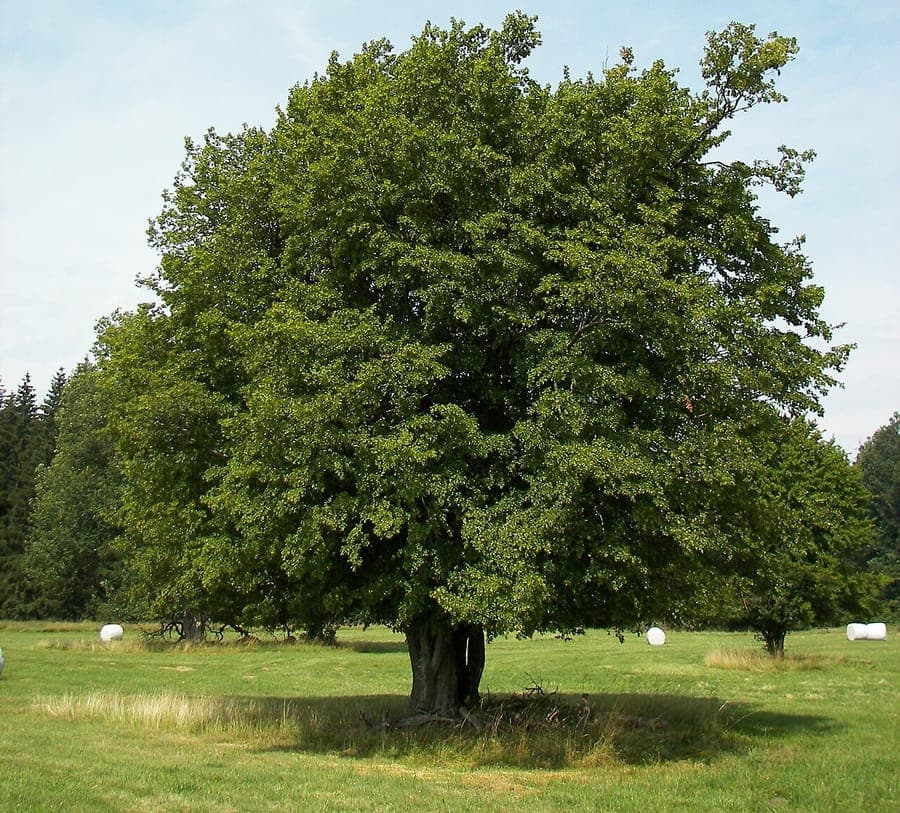
Hornbeam resembles beech in leaf shape, autumn colour and winter leaf cover, but it also grows well on clay and in partial shade. It tolerates wet feet and does not mind standing water after rain.
This is hornbeam's strength: its roots go deeper and cope better with compacted soil and excess moisture than beech. Plant hornbeam where beech would struggle, such as wet clay or compacted building soil, and it will grow steadily into a dense, heavy hedge.
Hornbeam grows a little slower: 40 to 50 centimetres a year, depending on soil. After five years you reach the height beech gives you after four. Once established, though, hornbeam becomes stronger and longer lived than beech.
Pruning: also twice a year, mid-May and early September. Hornbeam copes well with that rhythm without excessive regrowth.
Price: hornbeam costs a little more because it grows more slowly. Expect 3 to 5 euros per plant, about 12 to 20 euros per metre. Large plants cost 8 to 12 euros each.
Winter leaves: what stays and what falls
Both hedges hold their brown leaves through winter (marcescence) and only drop them in March or April, just as new buds open. That gives you privacy in winter and shelter for birds roosting among the leaves.
Beech leaves turn soft, pale brown and almost translucent. Hornbeam leaves turn darker, sometimes nearly black. In January, when the hedge is wet with dew or frost, that difference is easiest to see.
Both hold their winter leaves well into March. Under heavy snow, hornbeam snaps a twig slightly more often than beech, because it clings to its leaves just a little more stubbornly.
Soil: the decision that matters most
Dry, fertile sandy soil or sandy loam: choose beech. Hornbeam grows here too, but less vigorously.
Heavy clay or wet ground where water pools after rain: choose hornbeam. Beech will only give you thin, disappointing growth here.
Moderately fertile, well rooted soil: both grow equally well, so choose on preference or budget.
Very poor or acidic soil below pH 5.5: both hedges want a pH between 5.5 and 7.5. If your soil is too acidic, mix 2 to 3 kilograms of garden lime or dolomite lime per metre of hedge into the soil before planting.
Free preview
Create your own garden design
Pruning and shape through the year
Both hedges want two pruning sessions a year:
- Mid-May, once spring growth starts to slow down.
- Late August to 10 September, since the hedge barely grows after that point.
One pruning a year, in late July, also works, but the hedge grows thicker at the top and thinner at the sides. Two sessions give you a rectangular, dense hedge.
Tools: hand hedge shears work up to 2 metres. Above that, use electric or battery shears. Beech cuts a little softer than hornbeam.
Diseases and things to watch
Both hedges can develop fungal leaf spots in a damp summer. Good air flow through the hedge and watering at the base rather than over the leaves prevents most of it. Chemical spraying is not needed, and not advisable, for home gardens; cut away affected branches and bin the fallen leaves instead of composting them.
Beech sometimes gets powdery mildew in dry summers, a harmless whitish bloom on the leaves. Aphids appear occasionally but rarely need treatment.
Both hedges can show a brown patch after hard pruning. It usually recovers within a few weeks.
Planting bare root: how to prepare
October to March is bare-root season, the cheapest and most common way to plant a hedge. Bare-root plants cost 1 to 2 euros each.
- Unpack the plants, loosen the roots and trim away any dead wood.
- Dig a trench 20 to 30 centimetres deep, as wide as the roots are long.
- Mix the dug-out soil with 30 percent leaf mould or compost.
- Set the plant in, spread the roots, backfill and tread firmly. Water well.
- Give extra water in the first year whenever two dry weeks pass; after that rainfall is usually enough.
Planting from a pot also works from April to September, but needs more watering in the first months.
Growth rate: what to expect
First two years: slow, 15 to 25 centimetres a year, as the hedge invests in roots rather than leaves.
Years 3 to 5: growth speeds up to 45 to 60 centimetres a year for beech, 35 to 50 centimetres for hornbeam.
Year 5 onwards: growth settles at 30 to 40 centimetres a year until the hedge reaches its final height of 2 to 3 metres after about ten years.
Step by step
Step 1: test your soil
Grab a handful of soil after rain. If it sticks together, it is clay, so choose hornbeam. If it crumbles finely, it is sand, so choose beech.
Step 2: order your plants
Order bare-root plants for October to March delivery. Plan on 10 to 15 plants per metre of hedge.
Step 3: prepare the trench
Dig a trench 20 to 30 centimetres deep. Mix leaf mould or compost into the dug-out soil.
Step 4: plant and firm
Spread the roots in the trench, backfill with the improved soil and tread firmly. Water immediately.
Step 5: care in the first years
No pruning in the first year. From year two, start the pruning rhythm of mid-May and early September.
Frequently asked questions
Which is cheaper, beech or hornbeam?
Bare-root beech is usually cheaper: 2 to 4 euros per plant against 3 to 5 euros for hornbeam. Order more than 50 metres from a nursery and prices often drop below 1.50 euros per plant.
Do I need to fertilise?
Yes, lightly, for the first two years, with a feed such as NPK 10-10-10 in April. After that, fertilising is usually unnecessary if your soil is moderately fertile. On poor sandy soil you can keep feeding yearly.
Will my hedge sag under snow?
Beech much less than hornbeam. Hornbeam holds onto snow longer and snaps a twig slightly more often under heavy snowfall. It is not a real fault, just something to plan for.
Can I prune in December or January?
Never prune during frost. Wait until March or April. Pruning during frost risks frost damage to the fresh cut edges.
See it in your own garden first
Want to be sure how your hedge will look before you plant a hundred metres? Upload a photo of your garden to gardenworld.app and see a free preview of a new design with these plants. The sharp image with a full plant list costs a one-off 7.99 euros, no subscription.
Create your own garden design
Upload a photo, pick a style, and get a photorealistic design with plant list in under a minute.
Full design in HD: €7.99


Related articles
 Planting
Hedge planting: species and spacing guide
Which hedging plant suits your garden? Compare popular species, planting distances and maintenance tips for a thick hedge.
 Planting
How to prune a beech hedge: maintain formal shape
Beech (Fagus sylvatica) creates a beautiful formal hedge. Learn how to maintain the neat rectangular form with annual pruning.
 Planting
How to prune hornbeam: Carpinus betulus care
Hornbeam (Carpinus betulus) grows fast and tolerates hard pruning. Learn timing and techniques for a perfect hedge.