
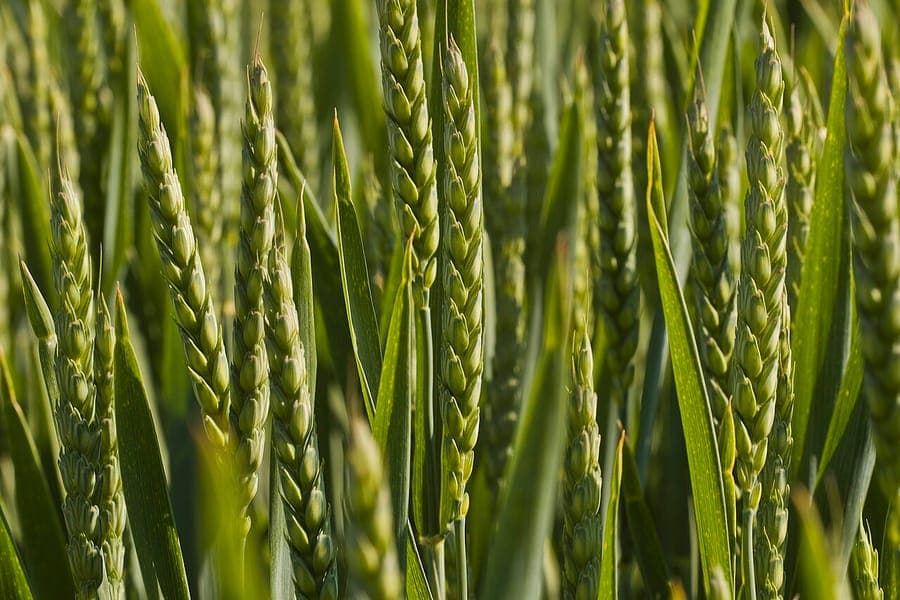
INRA DIST from France / CC BY 2.0, via Wikimedia Commons
Wheat: complete guide
Triticum aestivum
¿Quieres ver Wheat: complete guide en tu jardín?
1 minuto, sin tarjeta de crédito
Wheat is one of the world's most important grain crops and can be easily grown in home gardens. This guide covers everything you need to successfully cultivate wheat.
Overview Wheat (Triticum aestivum) is an annual grain eaten by billions of people worldwide. It is hardy, nutritious, and thrives in many climates. For home gardeners, wheat offers a rewarding way to grow and harvest your own grain. The plant adapts well to temperate climates and produces abundant yields.
Appearance and bloom Wheat plants reach heights of 60 to 120 centimeters with long, narrow leaves. The spikes appear at the top of each stem, covered with kernels. Depending on variety, the spikes can be golden, silver, or reddish. Flowering occurs from May to July. After pollination, kernels develop that you can harvest.
Ideal location Choose a sunny spot with at least 6 hours of direct sunlight daily. Wheat grows best in open areas where air circulates freely. This helps prevent moisture problems and promotes strong stem growth. Avoid shaded locations under trees.
Soil Wheat thrives in virtually all soil types but prefers well-draining soil with neutral to slightly acidic pH (6.5-7.0). Work in organic matter for better water retention. Heavy clay soils should be lightened with sand or compost.
Watering Grain requires moderate water. Water regularly during growing periods, especially if dry. Excessive water can cause fungal issues. For large-scale cultivation, watering is usually unnecessary after establishment, except during dry spells.
Pruning Wheat requires no traditional pruning. You can remove side growth for better air circulation if plants are densely packed. Wait until after flowering before removing anything.
Maintenance calendar March-April: Prepare soil and sow in rows. May-June: Provide regular watering. July: Observe flowering and kernel development. August-September: Harvest when spikes turn golden. October: Prepare soil for next season.
Winter hardiness Most wheat varieties are very frost-hardy. Winter and spring varieties thrive in temperate to cold climates. Ensure good drainage to prevent frost cracking.
Companion plants Legumes like clover and alfalfa improve soil quality. Various vegetables can be used as intercrop. Avoid monoculture to minimize pest problems.
Closing Wheat cultivation offers gardeners a direct connection to food production. With basic preparation and regular care, you will get beautiful plants and a reasonable harvest. Start small, experiment with varieties, and good luck with your farming adventure!
On gardenworld.app you can find more tips about grain and food crops. Visit gardenworld.app/blog for more plant guides.
¿Quieres ver Wheat: complete guide en tu jardín? Crea un diseño gratis ahora.
Sube una foto, elige un estilo y obtén un diseño fotorrealista con lista de plantas en menos de un minuto.
Más de 10.000 jardines diseñados
Sin tarjeta de crédito


Plantas similares
Sporobolus pungens: complete guide
Sporobolus pungens
Sporobolus pungens is a stoloniferous Mediterranean coastal grass with outstanding salt and drought tolerance, perfect for seaside and dry gardens.
Mediterranean aegilops: complete guide
Aegilops biuncialis
Everything about Aegilops biuncialis, a Mediterranean annual grass with ornamental spikes and outstanding drought tolerance for dry gardens.
Silver bluestem: complete guide
Bothriochloa saccharoides
Full guide to Bothriochloa saccharoides (silver bluestem): site, soil, watering, winter hardiness, pruning, and garden companions.