
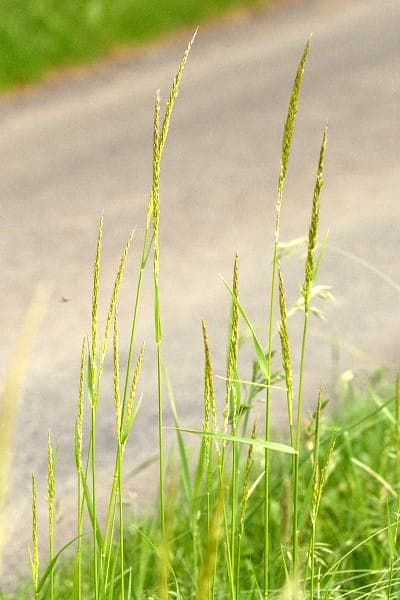
James K. Lindsey / CC BY-SA 3.0, via Wikimedia Commons
Trisetum flavescens: complete guide
Trisetum flavescens
¿Quieres ver Trisetum flavescens: complete guide en tu jardín?
1 minuto, sin tarjeta de crédito
Overview
Trisetum flavescens, commonly known as yellow oatgrass or golden oat grass, is an elegant ornamental grass originating from European meadowlands. This fine, featherweight grass reaches 40-80 cm height and displays golden-yellow glistening seed panicles in summer. The plant forms dense tufts and is a favorite in gardens loving ornamental grasses. Trisetum flavescens grows in temperate climates and tolerates some drought. The plant is very hardy and regenerates yearly without maintenance.
Appearance and Bloom
Yellow oatgrass presents itself as an elegant, fine ornamental grass with narrow, light-green blades standing upright. The plant reaches 40-80 cm height. From May through July, lovely, very fine plumes appear with golden-yellow glistening seed panicles. These plumes are very light and sway beautifully in the wind, creating a pleasant fluid effect. After seed set, plumes color brown. The plant disappears in winter.
Ideal Location
Trisetum flavescens grows best in full sun to light shade. The plant is flexible regarding location and grows well in many places. A sunny spot is preferred for best seed set and glistening effect. The plant tolerates sea wind well but prefers non-windy locations.
Soil
Yellow oatgrass grows in virtually all soil types, from sand to clay. The plant accepts acidic to alkaline soil (pH 5.0-8.0). Water drainage is important; waterlogged soils must be avoided. The plant grows well in moderately moist soils. Add sand if your soil is very clay-heavy. Minimal feeding is needed; yellow oatgrass grows better in poor soils than heavily fertilized ones.
Diseño gratis
¿Quieres ver Trisetum flavescens: complete guide en tu jardín? Crea un diseño gratis ahora.
Watering
Yellow oatgrass is drought-tolerant after establishment. Only during the initial growing period should water be provided. Once established, this plant needs no watering. The plant tolerates drought very well and grows even in dry regions.
Pruning
Pruning is not needed for Trisetum flavescens. You may remove spent plumes if they become inconspicuous. In spring, old stems can be cut back close to ground. This helps encourage new growth.
Maintenance Calendar
Spring (March-May): Plant grows actively. No watering needed. Cut dead stems back. Summer (June-August): Plant blooms and seeds. Enjoy golden plumes. No maintenance needed. Autumn (September-October): Seed set complete. Plant yellows. Leave seed if you want self-seeding. Winter (November-February): Plant is dormant. Can be cut back in spring.
Winter Hardiness
Trisetum flavescens is very hardy and tolerates temperatures far below freezing. The plant is a hemicryptophyte grass that regrows each spring. Snow and frost do not damage the plant.
Companion Plants
Yellow oatgrass works beautifully with other ornamental grasses like blue fescue and other small grasses. It also combines well with low-growing flowers like sedum, thyme, and other alpine plants. The fine texture of yellow oatgrass contrasts nicely with heavier plant types.
Conclusion
Trisetum flavescens is a wonderful addition to gardens with ornamental grasses. With its elegant golden-yellow plumes and minimal care requirements, it is perfect for gardeners loving naturalistic gardens. Purchase plant or seeds from specialized grass nurseries. Find more inspiration at gardenworld.app/en.
With its hardiness and minimal maintenance, you are assured of year-after-year enjoyment. Discover more possibilities at gardenworld.app/en.
¿Quieres ver Trisetum flavescens: complete guide en tu jardín? Crea un diseño gratis ahora.
Sube una foto, elige un estilo y obtén un diseño fotorrealista con lista de plantas en menos de un minuto.
Más de 10.000 jardines diseñados
Sin tarjeta de crédito


Plantas similares
Sporobolus pungens: complete guide
Sporobolus pungens
Sporobolus pungens is a stoloniferous Mediterranean coastal grass with outstanding salt and drought tolerance, perfect for seaside and dry gardens.
Mediterranean aegilops: complete guide
Aegilops biuncialis
Everything about Aegilops biuncialis, a Mediterranean annual grass with ornamental spikes and outstanding drought tolerance for dry gardens.
Silver bluestem: complete guide
Bothriochloa saccharoides
Full guide to Bothriochloa saccharoides (silver bluestem): site, soil, watering, winter hardiness, pruning, and garden companions.