
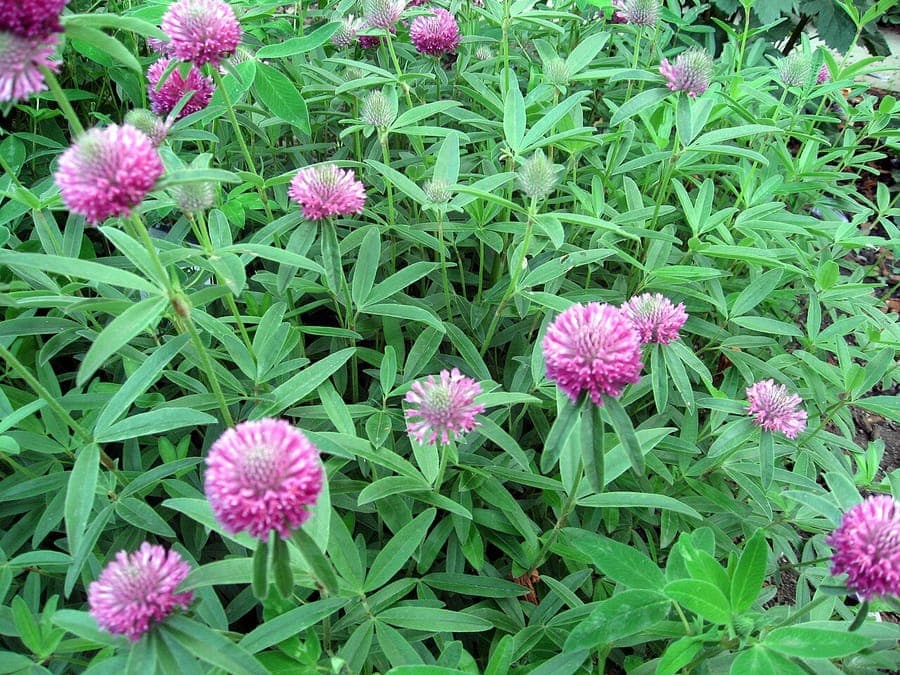
Dezidor / CC BY 3.0, via Wikimedia Commons
Owl-head clover: complete guide
Trifolium alpestre
¿Quieres ver Owl-head clover: complete guide en tu jardín?
1 minuto, sin tarjeta de crédito
Overview
Owl-head clover (Trifolium alpestre), also known as hill clover, is a fascinating alpine plant from the Alpine regions of Europe. This perennial herb belongs to the pea family (Fabaceae) and is renowned for its dense red to purple-red flowers. The plant grows naturally in mountainous areas from Spain to Iran, indicating that it is a true mountain dweller adapted to cold winters and challenging growing conditions.
On gardenworld.app, discover how to integrate this charming alpine plant into your garden design. Owl-head clover is perfect for rock gardens, alpine borders, and other elevated growing locations where drainage is essential. With its compact growth and attractive flowers, it adds a unique dimension to alpine gardens and specialized arrangements.
Appearance and bloom
Owl-head clover distinguishes itself through its characteristic, compact appearance. The plant forms dense cushions of only 20-40 cm high, making it perfect for rock gardens. The trifoliate leaves are fine and have a soft grayish-green color. The most striking feature, however, is the flowers: densely packed panicles in a deep red to purple color palette.
The flowering period extends from May to July, making it a midsummer bloomer. The flowers are not only aesthetically attractive but also attract pollinators. After flowering, small seed pods form. The plant maintains its attractive form throughout the season, making it valuable for years of garden pleasure.
Ideal location
Owl-head clover thrives best in sunny locations with full sun. The plant requires at least 6 hours of direct sunlight for healthy growth and abundant flowering. Although it can grow in partial shade, plants in full sun produce more flowers and a more compact form.
The plant is ideal for rock gardens, alpine troughs, and irregular ground cover applications. It works well on stone walls and in crevices between rocks. For gardeners in lowland areas, the plant can also be grown in pots on a sunny terrace or balcony, as long as drainage remains good.
Soil requirements
Owl-head clover requires excellent drainage - this cannot be overemphasized. The plant grows preferably in rocky, porous substrate with low nutrients. A preference exists for neutral to slightly acidic soil type, around pH 6-7. Heavier clay or poorly draining soil will lead to root rot.
Always build with materials such as coarse sand, fine gravel, and some humus material. If growing in pots, use a special alpine or grit mix. This ensures that the roots ventilate well and the plant remains healthy through all seasons.
Diseño gratis
¿Quieres ver Owl-head clover: complete guide en tu jardín? Crea un diseño gratis ahora.
Watering
Moderate watering is important. During the growing season, keep the soil lightly moist but never waterlogged. During the growing season (spring and summer), water when the top layer of soil feels dry. In winter, as growth nearly stops, drastically reduce watering.
With pot cultivation, regular watering during the growing season is essential. However, always ensure good drainage to prevent root rot. Owl-head clover tolerates short dry periods better than excess moisture.
Pruning
Pruning is rarely needed on this compact plant. Remove only dead leaves or damaged twigs. After flowering, faded flowers can be pinched off to keep the plant neat. However, this is not a requirement - many gardeners allow the plant to grow completely naturally.
If the plant becomes very large under very favorable conditions, light pinching in spring can ensure more compact growth.
Maintenance calendar
April-May: Established plants appear in full growth; check moisture. May-July: Intensive flowering; water regularly. July-August: Flowering diminishes; water less. August-September: Seed ripens; minimal maintenance. October-March: Growth slows; minimal watering. Winter: Check for damage from heavy frost.
Winter hardiness
Owl-head clover is very winter-hardy down to -20 degrees Celsius, making it an ideal choice for Northern European gardens. This is a true mountain plant adapted to long, cold winters. In mixed borders, it easily withstands the harshest winters in the Netherlands, Belgium, and Germany.
The plant is more sensitive to wet winters than to frost. Ensure good drainage in winter to prevent moisture damage. In very wet winters, some gravel protection may be helpful.
Companion plants
Owl-head clover pairs well with other alpine plants. Group it with ground covers such as Sedum, Silene, and other alpine species. It contrasts nicely with silvery plants such as Artemisia and Senecio. Place fine-leaved grasses nearby for contrast in texture.
In rock gardens, it looks wonderful between larger rocks. Combine with alpine phlox, saxifrage, and other mountain plants. For pot culture, place it with other alpine species in large troughs or dishes.
Closing thoughts
Owl-head clover is a jewel for serious alpine gardeners and lovers of mountain flora. With its compact growth, winter hardiness, and beautiful red flowers, it is a plant that brings much satisfaction. For more inspiration on integrating alpine plants into your garden design, visit gardenworld.app.
Whether you are creating a true rock garden or alpine troughs for balconies, Owl-head clover offers years of beauty. With minimal care and good drainage, you achieve a healthy, floriferous plant. Visit gardenworld.app for more advice on alpine gardening and garden design!
¿Quieres ver Owl-head clover: complete guide en tu jardín? Crea un diseño gratis ahora.
Sube una foto, elige un estilo y obtén un diseño fotorrealista con lista de plantas en menos de un minuto.
Sin tarjeta de crédito


Plantas similares
Tall Silky Lupine: complete guide
Lupinus elatus
Tall silky lupine is a fast-growing Californian perennial with silvery foliage and blue-purple flower spikes, ideal for a prairie-style garden.
Garfield Lupine: complete guide
Lupinus garfieldensis
The Garfield lupine is a rare, fast-growing American perennial for alkaline, dry grassland gardens, with striking blue flower spikes.
Lupinus elegans: complete guide
Lupinus elegans
Lupinus elegans, the elegant lupine, is a spectacular blooming plant from Mexico with blue flower spikes. Care, cultivation and garden use.