
Stfhfm / CC BY-SA 3.0, via Wikimedia Commons
Beautiful feather grass: complete guide
Stipa pulcherrima
¿Quieres ver Beautiful feather grass: complete guide en tu jardín?
1 minuto, sin tarjeta de crédito
Overview
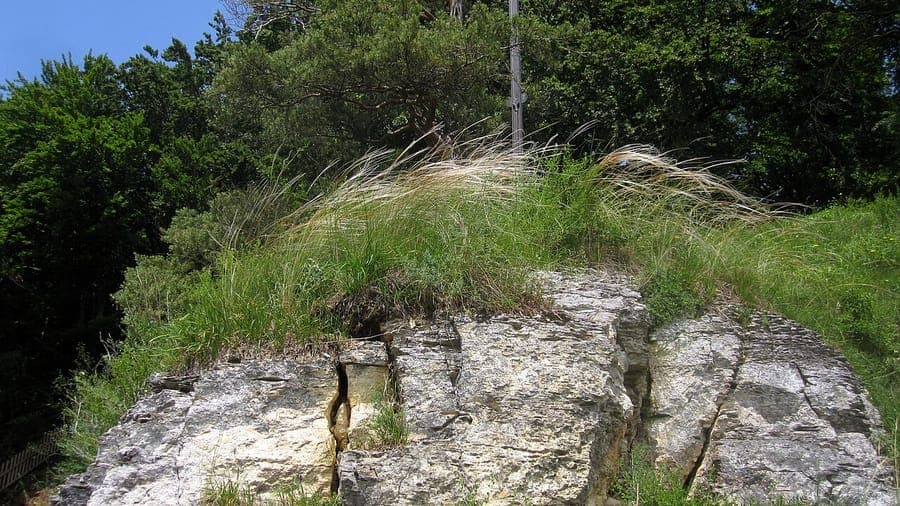
The Beautiful feather grass, scientifically Stipa pulcherrima, is an elegant ornamental grass from the grass family (Poaceae). This native grass from southern France to Siberia is known for its fine, feathery flower heads that sway delicately in the wind. The plant reaches 50-100 cm in height and forms compact clumps of slender, grass-like foliage.
The Beautiful feather grass is hardy to USDA zone 4 and grows well in dry to drought-resistant soils. This grass offers four-season interest - green, swaying foliage in summer, feathery blooms in summer-fall, golden fall colors, and persistent plumes in winter. It is widely used in natural and modern gardens.
Appearance & bloom
The plant has narrow, linear leaves that are 2-3 mm wide and can reach 60 cm long. The leaves are green with a fine texture. The stems are slender and flexible, giving the grass a graceful form.
Flower spikes appear from June to August. These are highly ornamental with fine, feathery plumes that can reach 15 cm long. The plumes are initially green, turn golden in fall, and remain on the plant deep into winter. These plumes are caught by the wind and look spectacular.
Ideal location
Place the Beautiful feather grass in a spot with full sun. The plant grows best with 6-8 hours of direct sunlight daily. In warm climates, light shade can be acceptable, but full sun leads to better plume development.
The plant prefers open, windy spots because the wind makes the plumes sway. Protection from strong winds is not needed - strong winds even help the plumes.
Soil requirements
The Beautiful feather grass grows in dry to moderately dry soils. The plant is very drought-resistant once established. Sandy to clay-silt soils are ideal. The plant tolerates only soils that do not have waterlogging.
The soil can be poor in nutrients. A pH of 6.0 to 8.0 is acceptable. Mulch around the plant can help improve moisture retention.
Diseño gratis
¿Quieres ver Beautiful feather grass: complete guide en tu jardín? Crea un diseño gratis ahora.
Watering
Water moderately and only when the soil is very dry. Once established (after 2 years), the grass can tolerate long drought periods. Avoid overwatering, especially in container plants.
In the first two years, water regularly to provide growing opportunities. After that, supplemental watering is rarely needed.
Pruning
Pruning in spring is recommended. Cut back all dead foliage nearly to the ground in March-April, before new growth begins. This promotes clean, vigorous growth.
Do not remove foliage in fall - leave the plumes standing during winter for much winter effect.
Maintenance calendar
Spring: Cut back all dead foliage. Remove old plumes. Plant new specimens. Summer: Enjoy green foliage. Water rarely. Wait for blooming. Fall: Admire plumes turning golden. Collect seed if desired. Winter: Minimal care. Leave plumes standing for winter beauty.
Winter hardiness
The Beautiful feather grass is hardy to USDA zone 4 and can tolerate temperatures to -30 degrees Celsius. The plant is not sensitive to snow or frost. In very wet winters, drainage problems can occur.
Companion plants
Combine the Beautiful feather grass with other drought-resistant plants like Salvia, Veronica, and Lavandula. The delicate plumes contrast nicely with larger foliage plants. Use in groups for impact.
Avoid fast-growing grasses that might overwhelm this grass.
Closing
The Beautiful feather grass offers year-round interest with its delicate plumes. This drought-resistant plant is perfect for modern gardens, xeriscaping, and natural landscapes. With minimal care, this grass provides four seasons of beauty and sway in the wind.
Visit gardenworld.app for more inspiration about ornamental grasses and drought-resistant plants. Discover more garden designs and planting advice at gardenworld.app.
¿Quieres ver Beautiful feather grass: complete guide en tu jardín? Crea un diseño gratis ahora.
Sube una foto, elige un estilo y obtén un diseño fotorrealista con lista de plantas en menos de un minuto.
Más de 10.000 jardines diseñados
Sin tarjeta de crédito


Plantas similares
Sporobolus pungens: complete guide
Sporobolus pungens
Sporobolus pungens is a stoloniferous Mediterranean coastal grass with outstanding salt and drought tolerance, perfect for seaside and dry gardens.
Mediterranean aegilops: complete guide
Aegilops biuncialis
Everything about Aegilops biuncialis, a Mediterranean annual grass with ornamental spikes and outstanding drought tolerance for dry gardens.
Silver bluestem: complete guide
Bothriochloa saccharoides
Full guide to Bothriochloa saccharoides (silver bluestem): site, soil, watering, winter hardiness, pruning, and garden companions.