
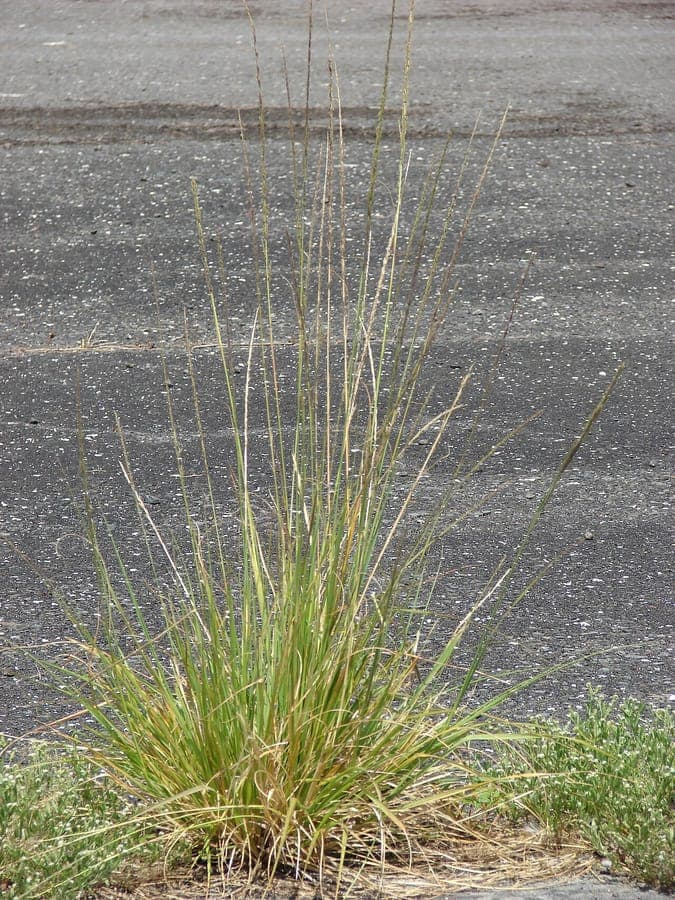
Forest & Kim Starr / CC BY 3.0, via Wikimedia Commons
Sporobolus indicus: complete guide
Sporobolus indicus
¿Quieres ver Sporobolus indicus: complete guide en tu jardín?
1 minuto, sin tarjeta de crédito
Sporobolus indicus: Complete Guide
Overview
Sporobolus indicus, commonly known as Indian dropseed or smut grass, is an elegant ornamental grass belonging to the Poaceae family. Native to tropical and subtropical America, this fast-growing grass species is now widely distributed in warm regions worldwide. The grass is valued for its fine texture, rapid growth rate, and manageable height. In Mediterranean and warmer climates, it is a popular choice for landscape plantings. As a drought-tolerant, low-maintenance species, it is perfect for contemporary gardens designed with sustainability and water conservation in mind.
Appearance and Growth
Sporobolus indicus grows in dense, bushy tufts reaching 30-60 centimeters in height. The foliage consists of extremely fine, narrow blades, creating an airy, elegantly textured appearance. Erect flower stems bear countless inconspicuous gray-brown flowers in loose panicles. The entire plant displays a graceful, wave-like motion in gentle breezes. The grass grows rapidly, attaining full size within one to two growing seasons. The fine structure makes it particularly suitable for contemporary garden designs.
Ideal Location
Sporobolus indicus performs optimally in full sun, where it develops complete fullness. A minimum of six hours of direct daily sunlight is essential. The plant tolerates light shade but growth and textural quality may diminish. Ensure adequate air circulation; this prevents fungal diseases in humid climates. Position the grass where you can appreciate its attractive movement in the breeze, such as along pathways or against dark backgrounds.
Soil Requirements
Sporobolus indicus is remarkably undemanding regarding soil type. It thrives in virtually all soil compositions, from sand to clay, provided drainage is adequate. The plant prefers nutrient-poor soils; excessive fertility promotes unwanted excessive growth producing weak, lanky grass. A pH range of 6.0 to 7.5 is ideal, though the species tolerates both acidic and alkaline conditions reasonably well. In heavy clay soils, incorporate sand for improved drainage.
Watering
Once established, Sporobolus indicus is remarkably drought-tolerant. Regular watering during the first growing season promotes deep root development. After establishment, the grass requires minimal supplemental water, thriving during rainy seasons. During dry periods, light watering, especially during extreme heat events, maintains appearance. Avoid overwatering, as this promotes root rot.
Diseño gratis
¿Quieres ver Sporobolus indicus: complete guide en tu jardín? Crea un diseño gratis ahora.
Pruning and Maintenance
Sporobolus indicus requires minimal maintenance. Cut the grass to 15-20 centimeters height in early spring before new growth begins. This promotes dense, healthy growth. You may also remove damaged foliage as needed. The grass grows rapidly and recovers well from cutting. Avoid autumn pruning, which stimulates tender new growth vulnerable to frost damage.
Maintenance Calendar
January-February: Plant during warm weather. February-March: Perform light maintenance pruning in early spring. April-October: Active growth and flowering period. November-December: Minimal maintenance; prepare for winter dormancy. Monitor periodically for fungal infections, especially in humid climates.
Winter Hardiness
Sporobolus indicus is frost-sensitive and is treated as an annual in most European climates. In Mediterranean climates with mild winters (not dropping below -5 degrees Celsius), it may overwinter. In colder climates, the grass typically grows only from May through October. You can sow seed in early spring for new plants annually. In very warm climates, it thrives year-round.
Design Applications
Sporobolus indicus is remarkably versatile in landscape design. It works beautifully as border planting, transitional element between planting beds, or accent grass in Mediterranean-style gardens. As mass planting, it creates a dynamic, flowing visual effect. The fine texture contrasts beautifully with broad-leafed plants or dark foliage. In contemporary designs, it adds airy dimension without bulkiness.
Companion Plants
Sporobolus indicus combines excellently with other drought-tolerant flora. Plant alongside lavender, sage, and other herbaceous plants. Dark-foliaged plants such as Heuchera or Ajuga provide striking contrast. Other ornamental grasses like Festuca, Miscanthus, or Ornithogalum create textural layering. Pebbles or gravel surrounding the grass further emphasizes its delicate texture.
Conclusion
Sporobolus indicus is a contemporary, low-maintenance grass species perfect for modern garden design. With minimal care requirements, attractive form, and water-saving qualities, it is a logical choice for sustainable landscapes. Plant in groups for maximum effect. In warm regions grow it as a permanent perennial; in colder climates, treat as an annual. Discover more at gardenworld.app/en.
Sporobolus indicus transforms your garden into a dynamic, contemporary landscape with minimal effort. With this guide, you are fully equipped to successfully integrate this elegant grass into your garden design on gardenworld.app/en.
¿Quieres ver Sporobolus indicus: complete guide en tu jardín? Crea un diseño gratis ahora.
Sube una foto, elige un estilo y obtén un diseño fotorrealista con lista de plantas en menos de un minuto.
Más de 10.000 jardines diseñados
Sin tarjeta de crédito


Plantas similares
Sporobolus pungens: complete guide
Sporobolus pungens
Sporobolus pungens is a stoloniferous Mediterranean coastal grass with outstanding salt and drought tolerance, perfect for seaside and dry gardens.
Mediterranean aegilops: complete guide
Aegilops biuncialis
Everything about Aegilops biuncialis, a Mediterranean annual grass with ornamental spikes and outstanding drought tolerance for dry gardens.
Silver bluestem: complete guide
Bothriochloa saccharoides
Full guide to Bothriochloa saccharoides (silver bluestem): site, soil, watering, winter hardiness, pruning, and garden companions.