
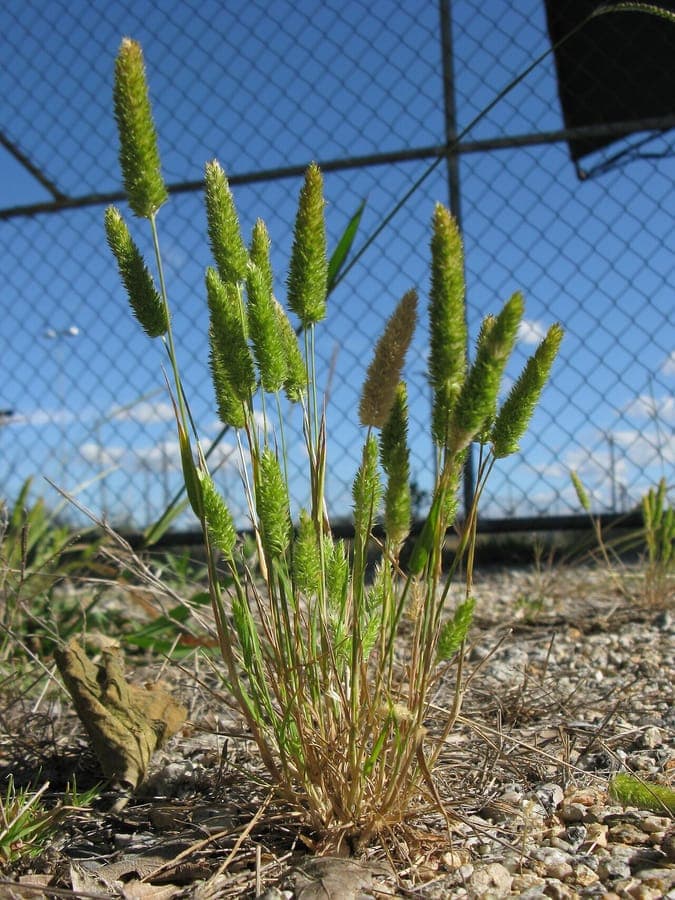
Harry Rose from South West Rocks, Australia / CC BY 2.0, via Wikimedia Commons
Rostraria cristata: complete guide
Rostraria cristata
¿Quieres ver Rostraria cristata: complete guide en tu jardín?
1 minuto, sin tarjeta de crédito
Overview
Rostraria cristata, commonly known as Mediterranean hairgrass or crested rostraria, is an elegant ornamental grass species with fine texture. This annual grass naturally grows in Mediterranean and subtropical regions from North Africa to India. The plant distinguishes itself through delicate, combed flower spikes and fine foliage, making it ideal for borders and garden design filler.
Appearance and bloom
Rostraria cristata is a low-growing grass, typically 20 to 40 centimeters tall. The leaves are very fine and hair-like, green to yellowish-green in color. Flower spikes appear in late spring through summer and are very characteristic with their combed, spiky appearance in yellow to orange tones. The delicate flower structure makes this grass particularly pleasant for visual texture.
Ideal location
Rostraria cristata thrives best in full, open sunny locations. The plant needs at least six to eight hours of direct sunlight. Ensure reasonable air circulation but protect from strong, drying winds. The plant is very tolerant of various soil and climate conditions.
Soil
This grass is highly flexible regarding soil types. It grows well in lean, well-draining soil but tolerates moderately nutrient-rich soils. A pH between 5.5 and 7.5 is ideal. Poor-draining heavy clay can be amended with sand or humus. Adding organic material helps improve moisture retention.
Diseño gratis
¿Quieres ver Rostraria cristata: complete guide en tu jardín? Crea un diseño gratis ahora.
Watering
Once established, the grass is very drought-tolerant. Water regularly during growing period to develop strong shoots. Ensure well-draining soil to prevent waterlogging. In rainy regions, supplemental water is usually unnecessary. Avoid spraying foliage.
Pruning
Minimal pruning needed. After blooming, dried flower spikes can be removed for aesthetics. In spring, all growth can be cut back to approximately 5 centimeters to encourage new growth. This is optional and can be omitted for more dramatic texture.
Maintenance calendar
May to June: Growth begins, light fertilizing helps. July to August: Blooming and full splendor. September to October: Dead material can be removed. November to April: Rest period, minimal maintenance.
Winter hardiness
Rostraria cristata is an annual grass and generally does not survive harsh winters below -5 degrees Celsius. In milder climates it may self-seed. In cold regions it serves as annual grass and must be replanted yearly. Sow in early spring for best results.
Companion plants
Combine with Mediterranean herbs like lavender, sage, and rosemary. Red-purple flowering plants contrast nicely. Stonecrop and sedum form attractive low-growing partners. White or yellow flowers harmonize well with yellowish-green grass.
Conclusion
Rostraria cristata offers subtle elegance to garden designs with its delicate texture. Easy to maintain, it provides years of visual interest. For more garden plant recommendations, visit gardenworld.app. Design your ideal garden landscape at gardenworld.app.
¿Quieres ver Rostraria cristata: complete guide en tu jardín? Crea un diseño gratis ahora.
Sube una foto, elige un estilo y obtén un diseño fotorrealista con lista de plantas en menos de un minuto.
Más de 10.000 jardines diseñados
Sin tarjeta de crédito


Plantas similares
Sporobolus pungens: complete guide
Sporobolus pungens
Sporobolus pungens is a stoloniferous Mediterranean coastal grass with outstanding salt and drought tolerance, perfect for seaside and dry gardens.
Mediterranean aegilops: complete guide
Aegilops biuncialis
Everything about Aegilops biuncialis, a Mediterranean annual grass with ornamental spikes and outstanding drought tolerance for dry gardens.
Silver bluestem: complete guide
Bothriochloa saccharoides
Full guide to Bothriochloa saccharoides (silver bluestem): site, soil, watering, winter hardiness, pruning, and garden companions.