
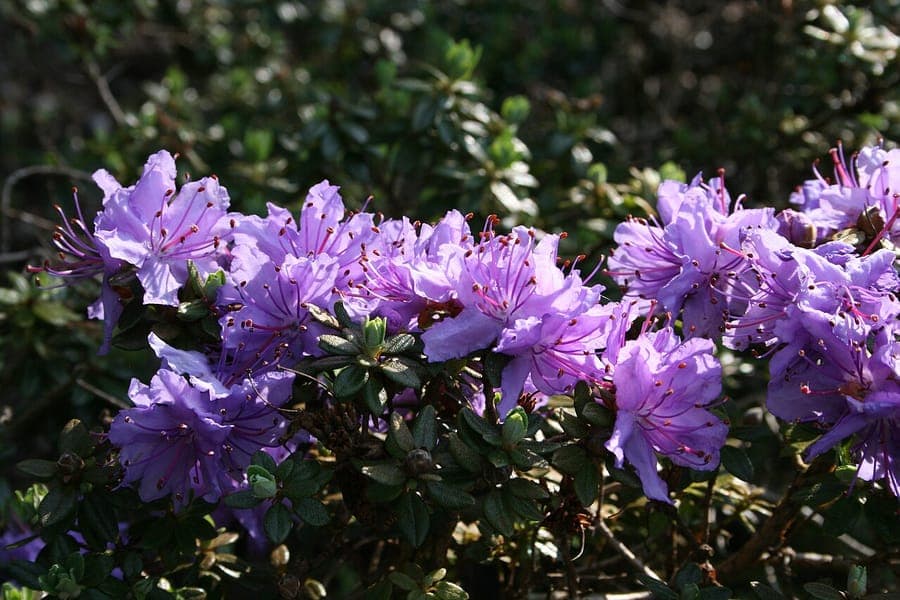
Ulf Eliasson / CC BY-SA 3.0, via Wikimedia Commons
Rhododendron fastigiatum: complete guide
Rhododendron fastigiatum
¿Quieres ver Rhododendron fastigiatum: complete guide en tu jardín?
1 minuto, sin tarjeta de crédito
Overview
Rhododendron fastigiatum is a hidden gem from the mountainous regions of Yunnan, China. This compact, evergreen rhododendron is renowned for its stiff, upright growth pattern and elegant blue-purple flowers. For those seeking a small, decorative plant that delivers value for years, this rhododendron is a perfect choice for the front yard.
Appearance and character
Rhododendron fastigiatum grows in a stiff, columnar form that can reach 60 centimeters to 1 meter tall. The leaves are small, leathery, and remain green year-round. Flowers are exquisite blue-purple to violet-blue and appear in small clusters. Blooming occurs in spring and brings refined elegance to the garden. The plant naturally forms a neat, compact shape without much pruning.
Ideal location
Plant Rhododendron fastigiatum in a spot with partial shade. The plant grows best with two to four hours of indirect sunlight daily. Avoid the intensity of afternoon sun, especially in warmer climates. A spot under deciduous trees is ideal. Ensure the location is protected from strong winds that can damage delicate foliage.
Soil requirements
Rhododendron fastigiatum requires acidic, well-draining soil, like most rhododendrons. Ideal is a pH between 4.5 and 6.0. Add plenty of humus, peat, or conifer bark. This plant doesn't grow in heavy clay soils and cannot tolerate waterlogging. Ensure the soil is airy and drains well.
Diseño gratis
¿Quieres ver Rhododendron fastigiatum: complete guide en tu jardín? Crea un diseño gratis ahora.
Watering
Rhododendron fastigiatum requires regular watering, especially during the growing season. Soil must remain consistently moist but not waterlogged. Avoid excessive water, as this immediately leads to root rot. During dry periods, provide extra water. The plant performs better in regions with regular rainfall.
Pruning
Minimal pruning is required. This plant forms itself into a neat, compact shape naturally. Remove only dead or damaged branches. Remove spent flower clusters after blooming to save energy. Hard pruning can disrupt the natural form.
Maintenance calendar
Here's a practical maintenance schedule:
January-February: Winter check; keep from strong winds.
March-May: Enjoy blooming; water regularly.
June-October: Monitor moisture; no pruning.
November-December: Preparation for dormancy.
Winter hardiness
Rhododendron fastigiatum is winter hardy to around -15 degrees Celsius, meaning it survives well in Britain. In regions with very severe winters, foliage may suffer frost damage. In such areas, protection with burlap or branches can help.
Companion plants
Rhododendron fastigiatum combines beautifully with:
Acers: Fine texture and color contrast Heathers: Low growth and complementary colors Small ferns: Delicate structure Hosta: Interesting foliage shape
Closing
Rhododendron fastigiatum is an exceptional choice for small gardens and those seeking refined beauty. With its compact form and elegant flowers, it fills a special place in your front yard. Want to enhance your front yard with such alpine gems? Visit gardenworld.app for complete design assistance. Have your front yard transformed by professionals on gardenworld.app!
¿Quieres ver Rhododendron fastigiatum: complete guide en tu jardín? Crea un diseño gratis ahora.
Sube una foto, elige un estilo y obtén un diseño fotorrealista con lista de plantas en menos de un minuto.
Más de 10.000 jardines diseñados
Sin tarjeta de crédito


Plantas similares
Zenobia pulverulenta: complete guide
Zenobia pulverulenta
Everything about Zenobia pulverulenta (honeycup): siting, acid soil, pruning and the fragrant white bells, in this complete care guide.
Dwarf huckleberry: complete guide
Gaylussacia dumosa
Everything about dwarf huckleberry (Gaylussacia dumosa): acidic soil, partial shade, pruning and care for this compact North American berry shrub.
Drooping leucothoe: complete guide
Leucothoe fontanesiana
Everything about drooping leucothoe (Leucothoe fontanesiana): shade tolerance, soil, watering, pruning, hardiness and companion plants.