
Wikimedia Commons / Public domain, via Wikimedia Commons
Shingle Oak (Quercus imbricaria): complete guide
Quercus imbricaria
¿Quieres ver Shingle Oak (Quercus imbricaria): complete guide en tu jardín?
1 minuto, sin tarjeta de crédito
Overview
The shingle oak (Quercus imbricaria), also known as laurel oak or jack oak, is a classic North American deciduous tree with a slender, elegant appearance. Originating from central and eastern United States, this oak plays an important role in natural deciduous forest ecosystems and is now widely planted in European gardens and landscapes. With a mature height of 50 to 65 feet and an upright stem with compact crown, the shingle oak forms an upright, tapering shape that is strikingly elegant.
The name "shingle" refers to the way narrow leaves overlap when arranged closely on branches - literally like roof shingles. This distinctive leaf arrangement gives the tree a very fine, delicate texture that contrasts beautifully with coarser oaks. Additionally, shingle oak produces nutritious wood used for multiple purposes, giving the tree practical value beyond pure ornamental appeal.
Appearance and Bloom
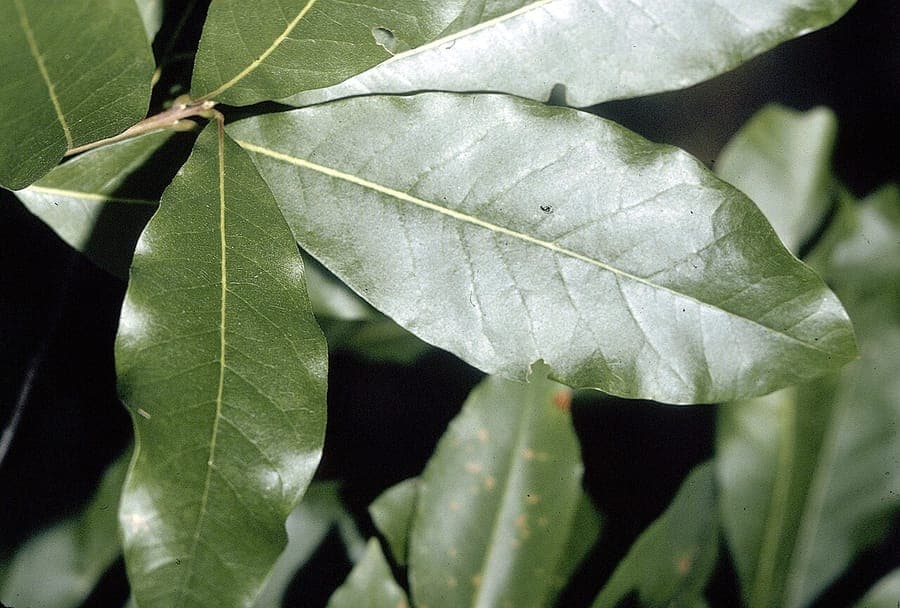
The most distinctive feature of the shingle oak are its very narrow, approximately 3 to 5 inch long leaves that are lance-shaped with entire or softly serrated margins. These leaves feel soft and have a very fine texture, especially when held against sunlight. The leaves grow closely spaced on branches in a fine, hazel-like arrangement, giving the tree its "shingle" name.
In early spring, inconspicuous flowers appear - small, green drooping catkins for males and red-burgundy female flowers hidden in foliage. These flowers are not decoratively attractive, but very important for reproduction and for local bees and other insects. By autumn, the tree forms small, approximately 0.6 inch long acorn caps with shallow cups - food for squirrels and other animals.
Ideal Location
The shingle oak flourishes best in sunny locations where this tree receives at least six hours of direct sunlight daily. However, this is a tree with very flexible tolerances - it can also grow in partial shade, although the growth pattern may be less dense. Provide adequate space for lateral growth, at least 20 to 26 feet away from other trees.
Diseño gratis
¿Quieres ver Shingle Oak (Quercus imbricaria): complete guide en tu jardín? Crea un diseño gratis ahora.
Soil
The shingle oak is very flexible regarding soils and thrives best in well-draining, acidic soils with a pH between 4.5 and 6.0. This tree can, however, also grow in weakly alkaline soils, although this may slow growth. The tree also grows in poor, sandy soils and even in well-draining gravelly media.
Avoid soils that are permanently waterlogged; this tree feels at home in dry to moderately moist soils. Add organic matter when planting in very poor grounds.
Watering
Once established (after two to three years), the shingle oak is very drought-tolerant and requires no regular supplemental water. In the first year after planting, water regularly when the top soil layer feels dry - typically once every two weeks until root systems are well-established.
Overwhelming promotes disease in this tree. Prevention is better than cure - ensure good water drainage.
Pruning
The shingle oak grows naturally into a neat, upright form and requires minimal formative pruning. Simply remove dead, diseased, or damaged branches when noticed. Avoid aggressive pruning; this tree does best with light adjustments.
Maintenance Calendar
Spring (March-May): Growing season begins. Monitor for disease and pests. Light pruning if needed.
Summer (June-August): Minimal maintenance. Water only in exceptional drought.
Autumn (September-November): Enjoy golden to brown autumn color. No maintenance required.
Winter (December-February): Light pruning possible. Planting season for new trees.
Winter Hardiness
The shingle oak is very cold-hardy throughout Europe, certainly down to USDA zone 5 (-20 degrees Fahrenheit). This is a North American tree that feels perfectly at home in European winters.
Companion Plants
The shingle oak forms beautiful combinations with:
- Understory planting: blueberry, dwarf hawthorn, and lilac for lower layers
- Ground covers: woodland strawberry, moss-pink, and low-growing yew
- Upright perennials: delphiniums, astilbe, and bugloss for spectacular colors
- Ornamental grasses: pampas grass and reed for movement
Conclusion
The shingle oak is a versatile tree with beauty, practical value, and ecological significance. With its fine texture, elegant form, and low maintenance requirements, this tree delivers beauty year after year. Visit local garden centers for shingle oaks. More information at gardenworld.app.
¿Quieres ver Shingle Oak (Quercus imbricaria): complete guide en tu jardín? Crea un diseño gratis ahora.
Sube una foto, elige un estilo y obtén un diseño fotorrealista con lista de plantas en menos de un minuto.
Más de 10.000 jardines diseñados
Sin tarjeta de crédito

