
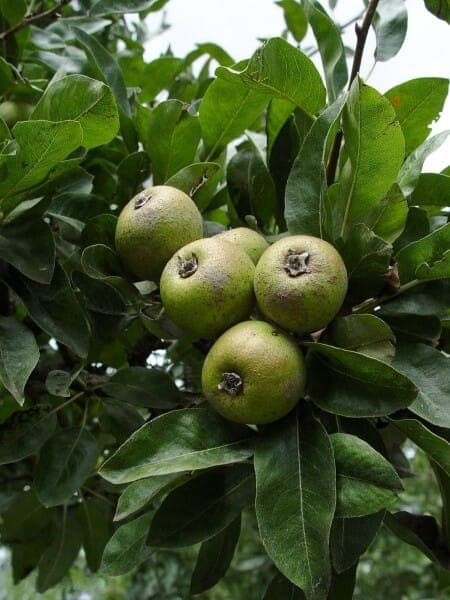
Darkotico / Public domain, via Wikimedia Commons
Snow Pear (Pyrus nivalis): complete guide
Pyrus nivalis
¿Quieres ver Snow Pear (Pyrus nivalis): complete guide en tu jardín?
1 minuto, sin tarjeta de crédito
Overview
The snow pear (Pyrus nivalis) is a fascinating alpine tree from central and southern Europe that specializes in harsher, mountainous conditions. Also known as the snow birch, this tree demonstrates remarkable hardiness and adaptability to alpine and subalpine habitats. With a mature height of 16 to 33 feet and a compact, often shrubby growth pattern, the snow pear is ideal for harsh gardens, alpine landscapes, and unforgiving climates.
Unlike many ornamental trees, the snow pear owes its name not to snow itself, but to the distinctive silvery, fine hairiness on its young leaves that make them appear snow-like. This distinctive feature gives the tree a much lighter, almost mystical appearance than related pear species. The combination of this visual property, extreme hardiness, and modest maintenance requirements makes the snow pear an undervalued but exceptionally worthwhile addition to diverse garden landscapes.
Appearance and Bloom
The snow pear displays its most distinctive features in young foliage. In spring, all young leaves burst out with a dense coating of soft, silver hairs (trichomes), giving the foliage a white-silver appearance. This luxurious silver canopy can last for weeks, then gradually fades to green-silver as the plant matures. This seasonal silver display is truly spectacular and gives the tree an almost surreal, snow-like appearance.
From May to June, small white flowers appear in moderate amounts along the branches. These flowers are less showy than those of the ornamental pear, but still pleasantly fragrant and popular with pollinators. After flowering, the tree develops dark green foliage that remains persistent throughout the summer until it turns yellow-brown in autumn.
Ideal Location
The snow pear thrives in sunny to semi-sunny locations with at least four hours of direct sunlight daily. This is a tree that adapts better to harsher, more exposed locations than many of its relatives - windy slopes, open meadows, and unprotected summits are all suitable habitats.
Ensure adequate air circulation around the tree, as this helps keep the crown dry and promotes healthy leaf growth. A location with some protection against extreme westerly winds is ideal, but not essential - this tree is built to withstand wind.
Soil
The snow pear grows best in well-draining, calcareous soils with a pH value between 7.0 and 7.5, although it can also thrive in slightly acidic soils. It feels at home in dry to moderately moist soils and can grow excellently on rocky, gravel-rich soils and other poor soil types where many trees struggle.
Ensure that water does not accumulate in standing pools around the base. Disease can occur in permanent waterlogging. If your soil is heavy clay, add sand or gravel for better drainage.
Diseño gratis
¿Quieres ver Snow Pear (Pyrus nivalis): complete guide en tu jardín? Crea un diseño gratis ahora.
Watering
Once established, the snow pear is very drought-tolerant and requires minimal supplemental watering. Even during dry seasons, this tree grows almost without help. In the first year after planting, water at least once every two weeks during drought periods until deep rooting is achieved.
Overwhelming it with too much water feels unhealthy for this alpine tree - it is adapted to alpine conditions where water is scarce. Preventing disease and rot from overwatering is more important than feeding this tree with excessive benefit.
Pruning
The snow pear usually grows naturally into a compact, promising form and requires minimal pruning work. Routine pruning to remove dead or damaged branches suffices. In spring (March to April), some formative pruning can take place to maintain the neat shape.
Be careful not to prune too heavily; this tree does best with light adjustments. Excessive pruning can inhibit the distinctive silver young foliage and lead to irritated growth.
Maintenance Calendar
Spring (March-May): Monitor phase observes the enchanting silver foliage. Check for pest appearance. Light formative pruning is possible. Enjoy the delicate bloom.
Summer (June-August): Minimal maintenance required. Check for drought signs only in exceptional circumstances. Let the tree grow.
Autumn (September-November): Simplify autumn coloring when leaf material fades. No pruning work, let fallen leaves lie.
Winter (December-February): The tree rests. Any pruning work on wrong locations possible. Plant new trees in this season.
Winter Hardiness
The snow pear is exceptionally winter-hardy, certainly down to USDA zone 6b (-10 degrees Fahrenheit), with some cultivars tolerating even lower. This is a tree that can handle Scandinavian winters and alpine climates without inflammation. No special winter protection needed except for very young seedlings.
Companion Plants
The snow pear forms beautiful combinations with:
- Low alpine plants: saxifrage, alpine poppy, and sedum for foot-traffic color
- Silver-leaved trees: sage, artemisia, and lavender for even texture interest
- Alpine perennials: edelweiss, alpine jasmine, and alpine avens for alpine mixing
- Wildlife-attracting plants: rowan, juniper varieties, and hawthorn for animal interest
Avoid heavy root competitors in very close proximity.
Conclusion
The snow pear is a unique and valuable choice for gardeners seeking alpine beauty and rugged charm. With its enchanting silver spring foliage, extreme hardiness, and modest maintenance requirements, this tree delivers characterful beauty with virtually no effort. For alpine gardens, rocky slopes, dry hillsides, or simply for gardeners who want something different, the snow pear is a choice you cannot really fault.
Looking for a snow pear? Visit local garden centers for targeted selection of less common tree species. These helpful horticultural suppliers have access to specialized alpine tree nurseries and can advise on alpine garden design. More information can be found at gardenworld.app, your destination for complete garden solutions.
¿Quieres ver Snow Pear (Pyrus nivalis): complete guide en tu jardín? Crea un diseño gratis ahora.
Sube una foto, elige un estilo y obtén un diseño fotorrealista con lista de plantas en menos de un minuto.
Más de 10.000 jardines diseñados
Sin tarjeta de crédito

