
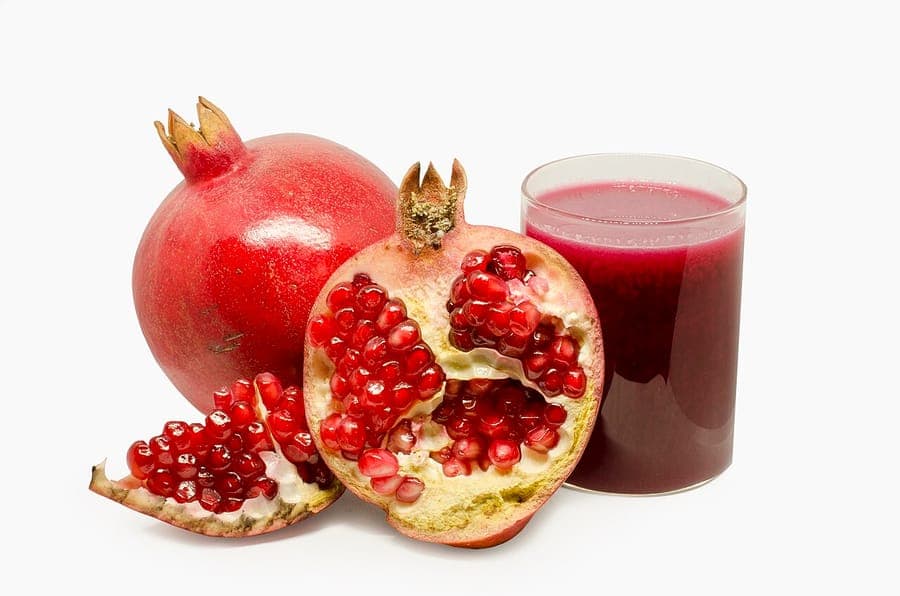
Augustus Binu : flickr / CC BY-SA 3.0, via Wikimedia Commons
Punica granatum: complete guide
Punica granatum
¿Quieres ver Punica granatum: complete guide en tu jardín?
1 minuto, sin tarjeta de crédito
Overview
Punica granatum, the pomegranate, is a spectacular Mediterranean fruiting shrub naturally occurring from Turkey to Pakistan. This iconic plant combines ornamental beauty with practical fruit production. With brilliant red flowers, elegant foliage, and decorative pomegranates, it serves as an impressive focal point for south-facing gardens in temperate climates.
Historically an important agricultural crop, pomegranate now enjoys renewed popularity as a Mediterranean garden plant throughout Europe. In southern regions of the Netherlands, Belgium, France, and Germany, it grows reliably and produces abundantly.
Appearance and Bloom
Punica granatum develops as a multi-stemmed shrub or small tree reaching 2-4 meters tall. Small, glossy green, elongated leaves give the plant elegant, Mediterranean appearance. Branches are often reddish-brown tinted.
Flowering from June through July is spectacular. Numerous flowers appear in red-orange tones, sometimes with yellow edges. Each flower measures 2-3 centimeters across, with papery petals. Following flowering, globular fruits develop, shifting from green to golden-yellow to deep red. Ripe fruits are highly decorative and may persist on branches until December.
Ideal Location
Punica granatum flourishes on very sunny, south-facing locations. Minimum 8 hours direct daily sun is essential for good flowering and fruit development. Protection from cold, northwest winds is beneficial.
The plant suits terrace gardens against walls, in pots on sunny patios, or as a centerpiece in Mediterranean gardens. In northern Europe, it grows best against heat-reflecting walls. Wind and frost protection are critical.
Soil
Punica granatum thrives in well-draining soils. Heavy, waterlogged soils are not tolerated. A mix of garden soil, sand, and gravel provides optimal drainage. A pH between 5.5 to 7.5 is acceptable.
The plant is not particularly nutrient-demanding. Standard garden soil with moderate organic matter suffices. Excessive nitrogen stimulates foliage at the expense of flowering.
Watering
Once established, Punica granatum tolerates drought reasonably well. During the growing season (April-September), water when the soil is dry 5 centimeters deep. This is typically weekly in normal summers.
During the growing season, consistent watering is important for good fruit development. Water deficit leads to fruit cracking and drop. In winter, when leaves fall, reduce watering drastically. In frost danger, water can be stopped entirely.
Diseño gratis
¿Quieres ver Punica granatum: complete guide en tu jardín? Crea un diseño gratis ahora.
Pruning
Punica granatum requires minimal pruning. The plant naturally assumes an attractive form. Light spring shaping (March-April) can remove congested growth and improve structure.
Dead, damaged, or crossing branches can be removed throughout the year. After fruit set, growing shoot tips can be carefully shortened to stimulate more lateral growth and flowering.
Maintenance Calendar
March-April: Spring pruning. Plant begins active growth. Light potassium-rich fertilizing (promotes flowering).
May-June: Active growth and flowering. Regular watering. No pruning required.
July-August: Peak fruit setting. Water remains essential. Remove damaged fruits.
September-October: Fruits ripen. Harvest ripe pomegranates. Reduce watering.
November-February: Dormancy period. Plant loses leaves. Minimal watering. In frost events, protect.
Winter Hardiness
Punica granatum survives climate zone 8 (-10 to -12 degrees Celsius). In southern Netherlands, Belgium, France, and Germany, it overwinters outdoors with protection. In the north, container cultivation is recommended with overwintering in a cool greenhouse.
Frost damage occurs at temperatures below -10 degrees, particularly affecting branch tips. In severe winters, it may die back completely and regrow from roots.
Companion Plants
Punica granatum combines beautifully with other Mediterranean plants:
- Rosmarinus officinalis (rosemary) - similar warm-sun needs
- Lavandula (lavender) - complementary colors and equal sunlight preference
- Cistus (rock rose) - similar Mediterranean character
- Olea europaea (olive) - equal Mediterranean appearance
- Ficus carica (fig) - complementary fruit production
Conclusion
Punica granatum transforms south-facing gardens in warmer European regions with exotic elegance. Its combination of stunning flowers, decorative fruits, and manageable growth habit makes it a perfect choice for Mediterranean garden enthusiasts. With careful placement and protection, it grows reliably and produces abundantly, making it a popular choice at specialty nurseries throughout Southern Europe.
¿Quieres ver Punica granatum: complete guide en tu jardín? Crea un diseño gratis ahora.
Sube una foto, elige un estilo y obtén un diseño fotorrealista con lista de plantas en menos de un minuto.
Más de 10.000 jardines diseñados
Sin tarjeta de crédito


Plantas similares
Winged loosestrife: complete guide
Lythrum alatum
Everything about Lythrum alatum, the winged loosestrife. Care, location, pruning and garden pairings for this native North American wetland perennial.
Dnieper loosestrife: complete guide
Lythrum borysthenicum
Everything about Lythrum borysthenicum, the Dnieper loosestrife: location, bloom season, care in pond margins and bog gardens. Full growing guide included.
Grand redstem: complete guide
Ammannia robusta
Everything about Ammannia robusta: pond margins, bog gardens, soil, care and propagation. Practical advice for water garden enthusiasts in temperate climates.