
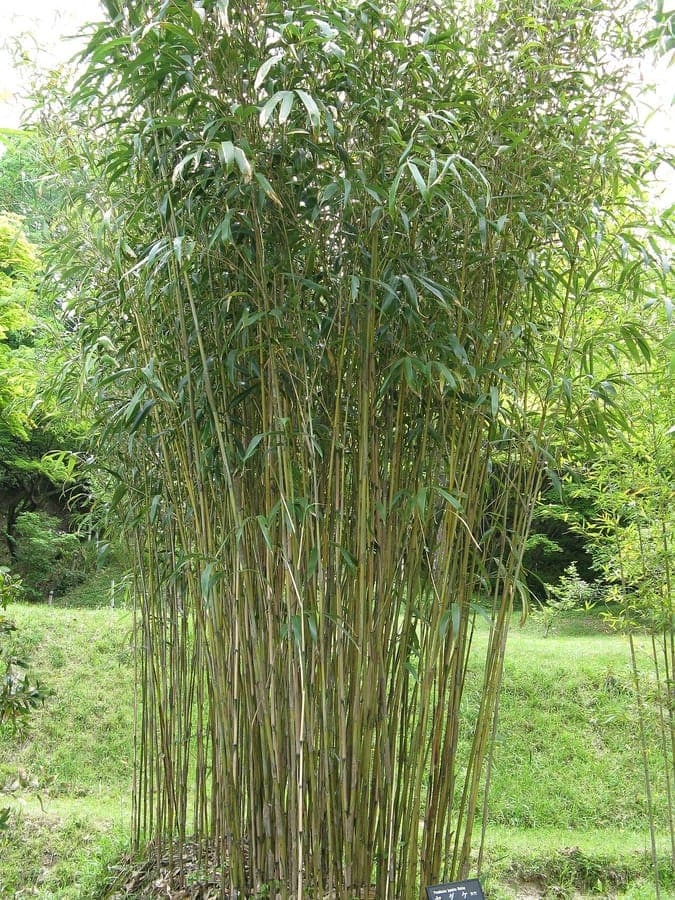
KENPEI / CC BY-SA 3.0, via Wikimedia Commons
Japanese arrow bamboo: complete guide
Pseudosasa japonica
¿Quieres ver Japanese arrow bamboo: complete guide en tu jardín?
1 minuto, sin tarjeta de crédito
Japanese arrow bamboo adds timeless sophistication to any garden design. This elegant plant from Japan and South Korea thrives in moist, well-draining soil and protected locations. With slender green foliage and natural poise, Pseudosasa japonica is an exceptional choice for contemporary and Japanese-inspired gardens.
Overview
Pseudosasa japonica, commonly called Japanese arrow bamboo or Japanese bamboo, is a semi-dwarf bamboo species reaching 3-4 meters in height. This evergreen native to Japan and Korea grows in forest understory conditions, creating dense groundcover and vertical structure. The name refers to its arrow-like growth pattern and refined appearance. With thin culms and glossy leaves, this bamboo creates sophisticated architectural form.
The species has been widely introduced to Europe and North America, thriving in temperate climates. In gardens, it adds zen-like elegance, especially when massed. This makes it ideal for minimalist, Japanese-style designs and modern landscapes seeking natural texture.
Appearance and Bloom
The culms are thin, smooth, and greenish to dark brown. Leaves are lance-shaped, 8-15 centimeters long, and glossy green, providing year-round visual interest. Foliage remains on the plant continuously, ensuring permanent evergreen structure even in winter.
Bamboo rarely flowers, and Japanese arrow bamboo produces no showy blooms. Flowers are discreet and greenish without ornamental value. The plant concentrates energy on leaf growth and culm development, ensuring continuous aesthetic appeal throughout the year.
Ideal Location
Pseudosasa japonica thrives in locations receiving at least 5 hours of direct sunlight daily. Semi-shade is tolerated well, though full shade slows growth. A sheltered position against strong winds is essential, as gusty conditions can snap delicate culms.
Use this bamboo for screening, background structure, or as a specimen plant in modern gardens. It excels in containers on terraces and balconies, making management and spread control simpler. This is particularly valuable in smaller spaces where controlling growth matters.
Soil
The plant thrives in fertile, well-draining soil with pH between 6.5 and 7. A mixture of garden soil and organic matter (compost) provides ideal growing conditions. Ensure adequate drainage, as bamboo cannot tolerate waterlogged conditions. Heavy clay soils should be amended with sand and organic material.
Apply a 5-7 centimeter mulch layer at planting. This retains moisture, stabilizes temperature, and suppresses weeds. Renew mulch annually to maintain nutritional value and structure.
Diseño gratis
¿Quieres ver Japanese arrow bamboo: complete guide en tu jardín? Crea un diseño gratis ahora.
Watering
Water regularly during the growing season (spring to fall), especially for young plants. Mature bamboo is reasonably drought-tolerant once established but thrives with consistently moist soil. Ensure water does not stagnate, as this can cause root rot.
Water deeply during dry periods, at least twice weekly. For container plants, water more frequently as soil dries faster. Reduce watering in winter when growth slows significantly.
Pruning
Japanese arrow bamboo requires minimal pruning. Simply remove dead or damaged culms in spring. To control spread, remove emerging shoots at the base. This keeps the plant compact and neat, especially in smaller gardens.
Pruning can occur throughout the growing season. For denser foliage, pinch out young shoots in May-June. This encourages branching and creates fuller silhouette. For container specimens, prune back to desired height in spring.
Maintenance Calendar
March-April: Inspect for winter damage; refresh mulch layer. Apply balanced fertilizer. May-June: Pinch young shoots for fuller growth. Water regularly as temperatures rise. July-August: Deep water during dry spells. Monitor for pests and diseases. September-October: Autumn inspection; reduce feeding as growth slows. November-February: Minimal maintenance; remove only dead sections. Adjust winter watering.
Winter Hardiness
Pseudosasa japonica is reasonably hardy in temperate climates (to about -15C). In regions with severe winters, provide protection with burlap or branches around the base. Container plants can overwinter indoors in cool, bright locations.
In freezing zones, foliage loss may occur but plants recover in spring. Avoid locations where cold winds constantly blow, as this increases moisture loss from foliage.
Companion Plants
Combine Japanese arrow bamboo with low groundcovers like ajuga, heuchera, or wintergreen for contrast. Low bergenia's add texture without competing. Pair bamboo with fatsia, Japanese maple, or Acer palmatum for complete Japanese garden experience.
For modern gardens, pairing with ornamental grasses like miscanthus or fescue creates layered texture. In container gardens, bamboo with variegated grasses and fothergilla for seasonal red foliage color.
Closing Thoughts
Pseudosasa japonica transforms gardens with refined form and evergreen character. Whether creating Japanese gardens or simply seeking exotic texture, this bamboo delivers years of beauty with minimal effort. Experienced gardeners find in this plant a valuable addition providing permanent architecture and movement, while beginners appreciate its straightforward care. Order today from local garden centers and enjoy this classic Asian plant. Visit gardenworld.app for more advice on bamboo and ornamental plants. Discover how Japanese arrow bamboo can transform your garden design. More inspiration at gardenworld.app for garden design solutions.
¿Quieres ver Japanese arrow bamboo: complete guide en tu jardín? Crea un diseño gratis ahora.
Sube una foto, elige un estilo y obtén un diseño fotorrealista con lista de plantas en menos de un minuto.
Más de 10.000 jardines diseñados
Sin tarjeta de crédito


Plantas similares
Sporobolus pungens: complete guide
Sporobolus pungens
Sporobolus pungens is a stoloniferous Mediterranean coastal grass with outstanding salt and drought tolerance, perfect for seaside and dry gardens.
Mediterranean aegilops: complete guide
Aegilops biuncialis
Everything about Aegilops biuncialis, a Mediterranean annual grass with ornamental spikes and outstanding drought tolerance for dry gardens.
Silver bluestem: complete guide
Bothriochloa saccharoides
Full guide to Bothriochloa saccharoides (silver bluestem): site, soil, watering, winter hardiness, pruning, and garden companions.