
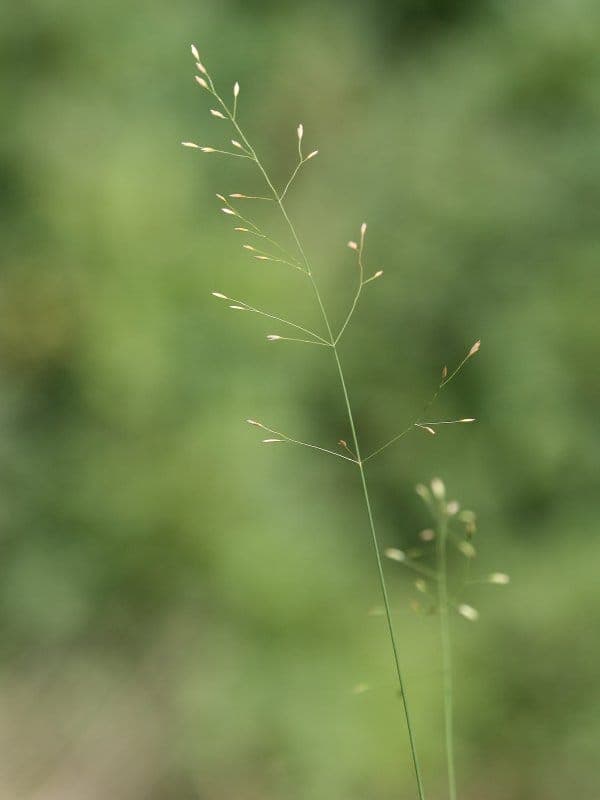
Kristian Peters -- Fabelfroh 11:54, 16 September 2007 (UTC) / CC BY-SA 3.0, via Wikimedia Commons
Fowl bluegrass: complete guide
Poa palustris
¿Quieres ver Fowl bluegrass: complete guide en tu jardín?
1 minuto, sin tarjeta de crédito
Overview
Fowl bluegrass (Poa palustris) is a distinctive grass species from the Poaceae family native to wet, marshy environments across temperate regions of the northern hemisphere. This hardy perennial is renowned for its exceptional ability to thrive in waterlogged, heavy soils where most grasses would fail completely. Fowl bluegrass is essential for gardeners with natural ponds, streams, or permanently wet areas.
For water-rich gardens, this grass is invaluable, offering elegant plantings in boggy conditions. It absorbs excess water and stabilizes eroding banks while filtering water naturally.
Appearance and Bloom
Fowl bluegrass grows in dense, tightly clumped tufts with fine to moderately thin stems. Leaves are light to blue-green with moderate elegance. The plant reaches heights of approximately 40-60 centimeters in ideal conditions.
From May through July, flowering panicles emerge as subtle purple to brown plumes offering elegant contrast against the green foliage. These flowers resemble other Poa species but are somewhat more robust.
Ideal Location
Fowl bluegrass thrives in permanently moist locations: pond margins, artificial or natural waterscapes, boggy gardens, and seasonally flooded zones. The grass accepts both partial shade and full sun provided soil remains wet.
In full sun with optimal moisture, the grass grows fastest and appears healthiest. Even in partial shade at pond edges this grass performs excellently. Avoid completely dry locations - the grass will rapidly decline.
Soil
Fowl bluegrass specializes in heavy, wet soils that repel other grasses. It grows best in clay to loamy soils capable of holding standing water. Sandy soils with excellent drainage are unsuitable unless regularly irrigated.
Optimal pH ranges from neutral to slightly acidic (6.0-7.5). This grass tolerates nutrient-rich water-saturated layers common in marshy environments. When planting, incorporate substantial compost or aged leafmold for water buffering.
Watering
Fowl bluegrass is unique among grasses in benefiting from waterlogged conditions. In typical garden situations, this grass requires no supplemental watering, naturally preferring wet conditions. Soil may remain constantly saturated - this is actually ideal.
In dry conditions (such as container culture or sandy soils) water regularly. Ensure the root zone remains moist. This grass tolerates brief inundation reasonably well, provided it can recover afterward.
Diseño gratis
¿Quieres ver Fowl bluegrass: complete guide en tu jardín? Crea un diseño gratis ahora.
Pruning
Fowl bluegrass requires minimal pruning. It naturally assumes an attractive clumped form. In spring (April), gently remove dead winter foliage and lightly comb with a fine rake.
Avoid cutting in autumn - this grass achieves its most beautiful dormant stage in fall and winter, developing brown-gold tones providing lovely seasonal accents. Leave these frost-bearing stems until spring.
Maintenance Calendar
March/April: Check water levels around plantings. Remove dead winter foliage. Add compost to improve water retention.
May through August: Maintain consistently high water levels. In dry summers, supplemental water may be needed. No additional feeding - nutrient-rich wet soils provide adequate nutrition.
September/October: Reduce nutrient input. Leave brown-orange autumn foliage intact. Monitor water quality around ponds.
November through February: Minimal maintenance needed. Ensure root zone doesn't dry completely. This grass remains hardy with retained foliage throughout winter.
Winter Hardiness
Fowl bluegrass is fully winter-hardy in northern regions. As a robust perennial, it withstands even severely wet winters and freezing conditions. This grass survives under thin ice layers and always recovers. The brown-gold autumn color typically persists until late winter, providing attractive seasonal character.
Companion Plants
Fowl bluegrass pairs beautifully with other wetland material:
- Cattails (Typha latifolia)
- Common reed (Phragmites australis)
- Marsh marigold (Caltha palustris)
- Japanese iris (Iris laevigata)
- Water mint (Mentha aquatica)
- Ragged robin (Lychnis flos-cuculi)
- Meadowsweet (Filipendula palustris)
- Water lilies (Nymphaea alba)
Together they create a natural marsh ecosystem in the garden.
Conclusion
Fowl bluegrass is essential for gardeners with wet soils and water-rich zones. Its unique preference for waterlogged conditions makes it irreplaceable in boggy gardens and at pond margins. The grass is fully hardy, low-maintenance, and helps improve water quality through natural filtration.
Use this grass in all wet corners of your garden, around ponds, along ditches, and in marsh gardens. Check specialty nurseries for potted plants or local supplier information. Visit gardenworld.app for more wetland plant and bog-garden inspiration.
Plant Fowl bluegrass in spring along waterscapes and create a natural, marshy atmosphere in your garden!
¿Quieres ver Fowl bluegrass: complete guide en tu jardín? Crea un diseño gratis ahora.
Sube una foto, elige un estilo y obtén un diseño fotorrealista con lista de plantas en menos de un minuto.
Más de 10.000 jardines diseñados
Sin tarjeta de crédito


Plantas similares
Sporobolus pungens: complete guide
Sporobolus pungens
Sporobolus pungens is a stoloniferous Mediterranean coastal grass with outstanding salt and drought tolerance, perfect for seaside and dry gardens.
Mediterranean aegilops: complete guide
Aegilops biuncialis
Everything about Aegilops biuncialis, a Mediterranean annual grass with ornamental spikes and outstanding drought tolerance for dry gardens.
Silver bluestem: complete guide
Bothriochloa saccharoides
Full guide to Bothriochloa saccharoides (silver bluestem): site, soil, watering, winter hardiness, pruning, and garden companions.