
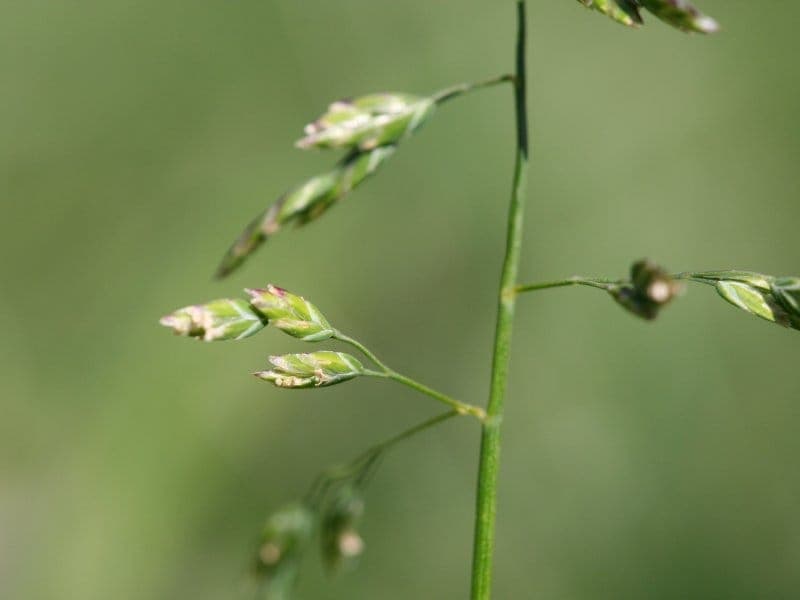
Kristian Peters -- Fabelfroh 10:06, 7 May 2007 (UTC) / CC BY-SA 3.0, via Wikimedia Commons
Poa annua: complete guide for gardeners
Poa annua
¿Quieres ver Poa annua: complete guide for gardeners en tu jardín?
1 minuto, sin tarjeta de crédito
Overview
Poa annua, commonly known as annual bluegrass, is a fast-growing grass species adapted to diverse climatic conditions. This annual grass belongs to the Poaceae family and stands out for its short life cycle and ability to grow rapidly. The plant is widely distributed across temperate regions worldwide and is frequently used for groundcover and erosion control.
Although Poa annua is technically annual, it survives winter in many regions and regrows in spring, leading to an extended growing season. This makes it particularly useful for gardens where rapid coverage is desired.
Appearance and Bloom
Poa annua reaches heights of approximately 10 to 30 centimeters and forms dense, fine tufts with narrow, grass-like leaves. The leaves are bright green and soft to the touch. The plant flowers from March to October with small, green panicles that grow vertically upward. These flowers are inconspicuous but functional for seed production.
The structure of the grass makes it ideal for pathways and high-traffic garden zones. It forms a low-maintenance groundcover layer that prevents weeds from establishing.
Ideal Location
Poa annua thrives in sunny to partly shaded locations. The plant tolerates full sun excellently and remains green even in partial shade. Avoid deep shade, where growth slows significantly. Ensure the location receives good air circulation and does not stay constantly wet.
This grass species is ideal for northern garden zones, pathways, and open areas. Do not plant directly under leafy trees where heavy shade develops, unless you want a shade-tolerant variant.
Soil
Poa annua is not fussy about soil type and grows on virtually any well-draining soil. It thrives best, however, on moderately to nutrient-rich soil with a pH between 4.5 and 5. Sandy to loamy soils are ideal. Heavy clay soils can be improved by adding sand and organic matter.
At planting time, you can add compost or garden soil to stimulate growth. Drainage is essential, as water stagnation can cause problems, particularly in winter.
Watering
Poa annua requires moderate water. Water regularly during the growing season, especially in drier periods. Once established, the plant is fairly drought-tolerant. Water thoroughly every three to four days; ensure the top 2 to 3 centimeters of soil dry slightly between waterings.
In winter, water much less frequently. Ensure water does not stagnate around the plant base, as this can cause root rot. During rainy periods, limit supplemental water to only very dry spots.
Diseño gratis
¿Quieres ver Poa annua: complete guide for gardeners en tu jardín? Crea un diseño gratis ahora.
Pruning
Pruning Poa annua is straightforward. Cut the plant back to 3 to 5 centimeters high in early spring before new growth begins. This stimulates fuller, more compact growth. You may also remove the flower panicles before they set seed to prevent spread.
During excessive growth in the season, you can regularly prune to 5 to 8 centimeters high. This keeps the plant neat and prevents it from becoming scraggly. Avoid hard pruning during extreme heat or frost.
Maintenance Calendar
Spring (March-May): Remove dead leaves and stems. Plant new specimens. Apply a dose of slow-release fertilizer for growth.
Summer (June-August): Water regularly during dry periods. Prune as needed. Monitor for pests and diseases.
Fall (September-November): Reduce watering as temperatures drop. Remove fallen leaves from the plant.
Winter (December-February): Minimal care required. Water only if soil is completely dry. Prepare for spring pruning.
Winter Hardiness
Poa annua is hardy to zone 5 (down to -29 degrees Celsius). In mild winters, the plant survives outdoors, though some foliage may die back. In severe frost periods, the plant does better in sheltered locations. Mulching around the plant base in fall helps with winter protection.
In very cold regions, it is advisable to dig up the plant in autumn, pot it up, and overwinter it indoors in a cool, bright location (2 to 5 degrees Celsius). Place outdoors again after the last frost date in spring.
Companion Plants
Poa annua combines well with:
- Small alpine plants (sedums, saxifrages)
- Rock garden plants (alyssum, dianthus)
- Low groundcovers (creeping thyme, ajuga)
- Clover and other legumes for biodiversity
It provides an excellent background for colorful borders and helps prevent erosion on slopes.
Closing Remarks
Poa annua is a versatile grass that every gardener will likely appreciate. Its fast-growing nature, low maintenance needs, and tolerance for diverse conditions make it an ideal choice for many applications. Whether you need rapidly growing groundcover or want to prevent weeds, this grass delivers the solution.
You can likely find seeds or small plants at garden centers. Visit gardenworld.app for more inspiration and discover how Poa annua can enhance your garden design. With simple care, your bluegrass will flourish for years.
Poa annua proves that size is not everything in gardening. This humble grass with its great potential deserves a place in every garden. Explore gardenworld.app to learn how best to use this versatile grass.
¿Quieres ver Poa annua: complete guide for gardeners en tu jardín? Crea un diseño gratis ahora.
Sube una foto, elige un estilo y obtén un diseño fotorrealista con lista de plantas en menos de un minuto.
Más de 10.000 jardines diseñados
Sin tarjeta de crédito


Plantas similares
Poa bulbosa: complete guide for gardeners
Poa bulbosa
Discover all about Poa bulbosa, bulbous bluegrass. Cultivation and care of this unique grass for structure in your garden.
Poa compressa: complete guide for gardeners
Poa compressa
Discover all about Poa compressa, Canada bluegrass. Cultivation and care of this strong, resilient grass.
Poa chaixii: complete guide for gardeners
Poa chaixii
Discover all about Poa chaixii, broadleaf meadow grass. Cultivation and care of this elegant alpine grass.