
Wikimedia Commons / CC BY-SA 3.0, via Wikimedia Commons
Platycodon grandiflorus: complete guide
Platycodon grandiflorus
¿Quieres ver Platycodon grandiflorus: complete guide en tu jardín?
1 minuto, sin tarjeta de crédito
Overview
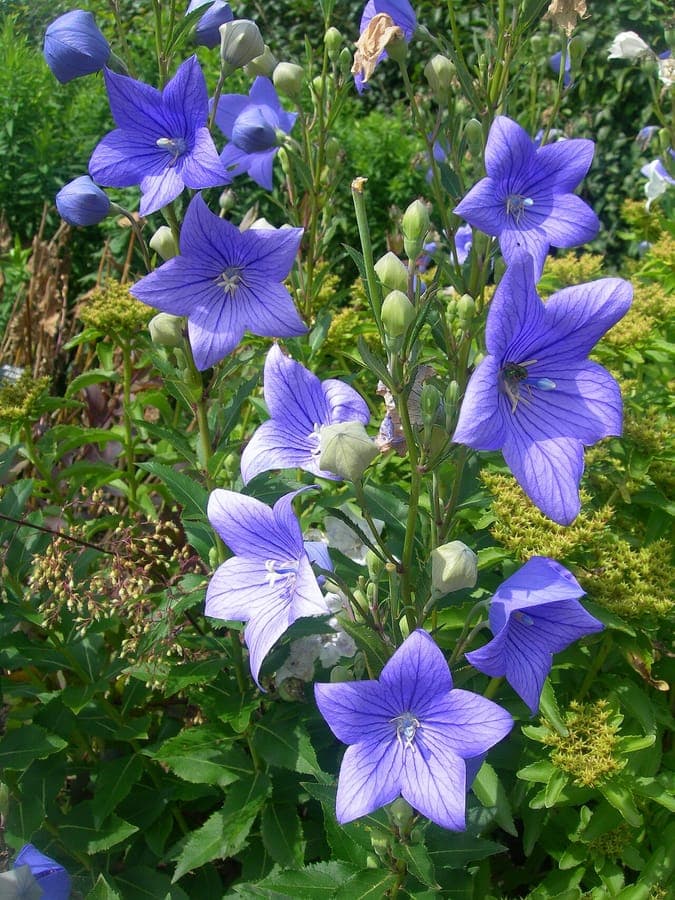
Playtycodon grandiflorus, the balloon flower, is an enchanting perennial from East Asia. This elegant plant is known for its large, trumpet-shaped flowers that first inflate like little balloons before opening. With their intense blue, pink or white color, balloon flowers are a beautiful addition to any garden and attract butterflies and bees.
Appearance and bloom
Balloon flowers grow to 60-90 centimeters tall and form an upright, compact plant. The leaves are lance-shaped and dark green. The flowers appear from June to August and are grouped in endless clusters. They begin as inflated balloons (hence the name), which burst open to reveal beautiful, five-pointed flowers. Each flower lasts about two weeks.
Ideal location
Balloon flowers like a sunny to semi-shaded location. They thrive in temperate climates and grow optimally at temperatures of 10-20 degrees Celsius. A location with at least four hours of direct sunlight is ideal. They appreciate shelter from strong, dry winds.
Soil
The soil must drain well and be moderately fertile. A pH of 6.0 to 7.5 is perfect. Heavy, wet soil should be avoided, as this can cause root rot. Add sand or potting soil to improve drainage if your soil is clayey.
Watering
Water regularly, but prefer good drainage. Once established, balloon flowers are fairly drought tolerant. Water especially during dry periods. In winter, water less, but ensure the soil does not dry out completely. Avoid overhead watering to prevent powdery mildew.
Diseño gratis
¿Quieres ver Platycodon grandiflorus: complete guide en tu jardín? Crea un diseño gratis ahora.
Pruning
Balloon flowers do not need to be pruned, but removing withered flowers stimulates further flowering. In spring, old stems can be cut back to ground level. This encourages a fuller, bushier plant.
Maintenance calendar
Plant balloon flowers in spring or early summer. Provide support as they grow larger. Offer regular feeding with a balanced fertilizer during the growing season. Check for slugs and aphids. In autumn, plants can be cut back and provided with winter protection with compost or straw.
Winter hardiness
Balloon flowers are completely winter hardy and can tolerate temperatures down to -20 degrees Celsius. They die back to the ground in winter and reappear in spring. A mulch layer helps provide protection in very cold areas.
Companion plants
Balloon flowers combine well with other perennials such as roses, lavender, delphinium and sage. They also make beautiful companions with loosely growing plants like gas plant. Their elegant flowers contrast beautifully with silver-colored foliage plants.
Closing
Balloon flowers are easy to grow and bring elegance and color to your garden for years to come. With simple care, these enchanting flowers will return year after year. Their unique shape and vibrant colors make them a must-have for any flower lover.
¿Quieres ver Platycodon grandiflorus: complete guide en tu jardín? Crea un diseño gratis ahora.
Sube una foto, elige un estilo y obtén un diseño fotorrealista con lista de plantas en menos de un minuto.
Más de 10.000 jardines diseñados
Sin tarjeta de crédito


Plantas similares
Campanula alaskana: complete guide
Campanula alaskana
Discover Campanula alaskana, the delicate alpine bellflower from Alaska. Growing tips, hardy requirements, and design ideas for rock gardens and alpine troughs.
Campanula scouleri: complete guide
Campanula scouleri
Discover Campanula scouleri, the refined Pacific bellflower. Growing tips, care requirements, and design ideas for woodland and mountain gardens.
Doublehorn calicoflower: complete guide
Downingia bicornuta
All about Downingia bicornuta - the doublehorn calicoflower: sowing, location, bloom and care for this rare annual in your garden.