
Andra Waagmeester / CC0, via Wikimedia Commons
Indian pokeweed: complete guide
Phytolacca acinosa
¿Quieres ver Indian pokeweed: complete guide en tu jardín?
1 minuto, sin tarjeta de crédito
Overview
The Indian pokeweed, scientifically known as Phytolacca acinosa, is a fascinating perennial plant originating from the Himalayan region and East Asia. Also known as Asian pokeberry, this plant is prized for its spectacular dark red to black fruits that ripen in autumn. The plant can grow to substantial size and creates eye-catching foliage in your garden.
Phytolacca acinosa has naturalized throughout Europe and now grows wild in many countries, from Belgium to Russia. This testament to the species' robustness makes it an interesting choice for gardeners seeking something different from typical garden plants.
Appearance and bloom
The Indian pokeweed develops into an impressive shrub with striking oval leaves that can be bicolored. The plant can reach up to 150 centimeters in height and develops into a well-formed shrubby mass. The leaves are glossy green and lance-shaped, remaining visually interesting throughout the year.
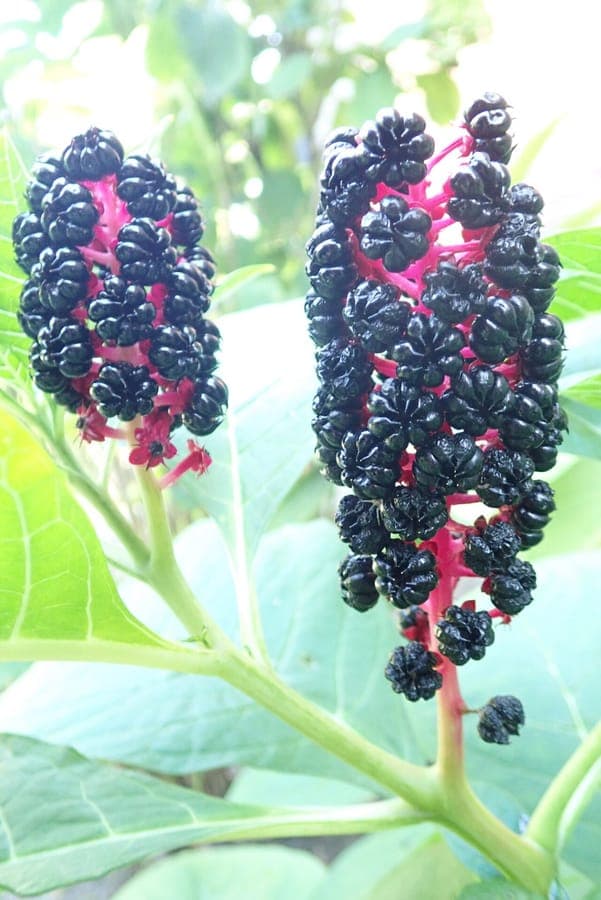
Flowers appear in white to light pink clusters during summer, followed by the eye-catching fruits. The fruits are small, approximately pea-sized, and transition from green to red and finally to deep black. This color progression makes the plant especially interesting, as autumn showcases a palette of hues.
Ideal location
Phytolacca acinosa thrives best in full sun to partial shade. The plant is highly tolerant and can even succeed in shadier corners. In warm climates, some afternoon shade can be beneficial. Position the plant where you can fully appreciate its beautiful fruits, such as along a patio or near windows.
The plant is not particular about wind, although strong winds can damage branches. Ensure the plant is somewhat protected, especially if you live in a windy area.
Soil
Indian pokeweed grows in almost any soil type, from clay to sand. The key requirement is good drainage; waterlogging can lead to root rot. Add compost or peat to heavy soils to improve drainage. The plant also thrives in slightly acidic to neutral soils.
The plant makes no high demands on nutrients, although annual application of compost or organic fertilizer is beneficial. This promotes healthy growth and richer fruiting.
Diseño gratis
¿Quieres ver Indian pokeweed: complete guide en tu jardín? Crea un diseño gratis ahora.
Watering
Water regularly during the first year to encourage deep root establishment. Thereafter, the plant is quite drought-tolerant. During dry periods, water deeply and regularly, especially before flowering and fruiting. Avoid keeping the soil wet; waterlogging is more damaging than drought.
During wet summers, additional watering may be necessary. Monitor the soil by feeling it; if it feels dry more than 5 centimeters deep, it is time to water. Mulching around the plant helps retain moisture.
Pruning
Phytolacca acinosa responds well to pruning, although it is not strictly necessary. Pruning can be done in early spring to maintain shape and remove dead wood. The plant grows rapidly, so regular pruning keeps it compact.
Remove dead or damaged wood as soon as possible. Pruning after fruiting can stimulate next season's flowering. The plant produces abundant seed from its fruits, so removing flower heads can limit seed production if desired.
Maintenance calendar
Spring: Prune dead wood, apply compost as soil amendment. Summer: Water regularly during dry periods, check for pests. Autumn: Enjoy the spectacular fruits, collect seeds for propagation. Winter: Minimal maintenance; plant is hardy to -10 degrees Celsius.
Winter hardiness
Phytolacca acinosa is hardy to approximately -10 degrees Celsius. In milder gardens, protection is unnecessary. In cold regions, protection during extreme frost can be beneficial by mulching the plant's base. The plant regenerates easily from its roots, even if aboveground parts are severely damaged.
The plant is very robust and typically survives harsh winters, especially if they are brief.
Companion plants
Phytolacca acinosa grows well in combination with other perennials sharing similar preferences. Pair with yellow spirea, Sorbaria, or Deutzia for attractive shrub plantings. The dark red fruits contrast beautifully with green background plants.
The plant attracts birds due to its fruits, making it an excellent choice for bird-friendly garden design. Ensure you have adequate space, as the plant can grow quite large.
Conclusion
Indian pokeweed is a wonderful and easy-to-grow plant that adds significant visual interest to your garden, especially in autumn. With minimal care, you can enjoy its striking fruits and glossy foliage. Whether filling a shaded area or creating attractive shrub plantings, Phytolacca acinosa is an excellent choice.
Available at specialized garden centers and online retailers. Visit gardenworld.app/en for more information about incorporating this plant into your garden design.
¿Quieres ver Indian pokeweed: complete guide en tu jardín? Crea un diseño gratis ahora.
Sube una foto, elige un estilo y obtén un diseño fotorrealista con lista de plantas en menos de un minuto.
Más de 10.000 jardines diseñados
Sin tarjeta de crédito


Plantas similares
Phytolacca dioica: complete guide
Phytolacca dioica
The Ombu is a spectacular South American tree with massive proportions, remarkable drooping foliage and beautiful flowers. Discover cultivation and care tips for success.
Phytolacca esculenta: complete guide
Phytolacca esculenta
Indian pokeweed is an impressive shrub with black fruits and interesting shapes. Learn everything about growing and maintaining this Asian plant.
Phytolacca americana: complete guide
Phytolacca americana
Spectacular American plant mit eye-catching purple-black berries from June to October. Discover this remarkable botanical wonder......................