
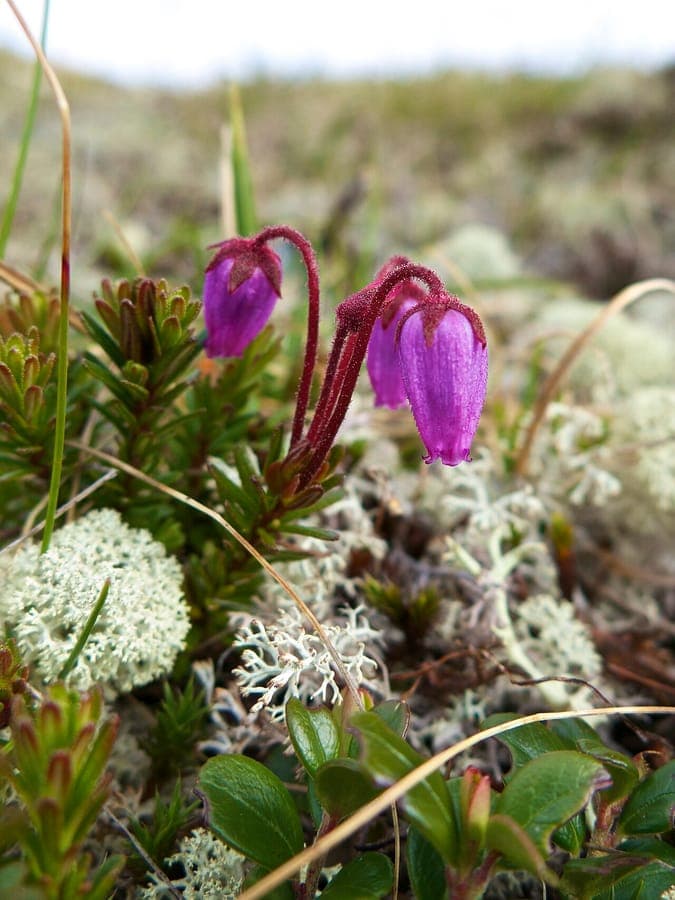
Jörg Hempel / CC BY-SA 3.0 de, via Wikimedia Commons
Phyllodoce caerulea: complete guide
Phyllodoce caerulea
¿Quieres ver Phyllodoce caerulea: complete guide en tu jardín?
1 minuto, sin tarjeta de crédito
Overview
Phyllodoce caerulea, known as blue mountain heath or blue heath, is an elegant miniature shrub from temperate mountainous regions of Europe, Asia and North America. This hardy plant grows on high mountains in countries including Norway, Iceland, Scotland, the Alps, Russia, Japan and Canada. The botanical name caerulea refers to the distinctive blue flower color.
Phyllodoce caerulea is especially beloved by gardeners who appreciate alpine and mountain plants. The miniature growth habit and unusually beautiful blue flowers make it a stunning addition to alpine gardens, rock gardens and heath borders.
Appearance and bloom
The blue mountain heath grows as a compact, much-branched dwarf shrub rarely exceeding 15-30 centimeters in height. The leaves are small, needle-like and evergreen, making the plant visually interesting even in winter.
The characteristic flowers are bell-shaped, deep blue to lilac in color, and hang in small clusters at the branch tips. Though each bloom measures only several millimeters, the abundant flowering creates a remarkable effect.
The flowering period extends from June through August in natural habitats, depending on altitude and climate. The plant blooms reliably each season under suitable conditions.
Ideal location
Phyllodoce caerulea thrives in sunny to part-shade locations. In Mediterranean or very warm summers, afternoon shade can prove beneficial. In temperate climates, full sun promotes better blooming.
The plant is exceptionally frost-hardy and suitable for all European climates. It grows even where winter temperatures drop below -20 degrees Celsius.
Provide a sheltered microclimate protected from severe summer drought and hot drying winds, though the plant can tolerate these challenges.
Soil
This plant requires acidic, well-draining soil. Use a mixture of heather soil, potting compost and coarse sand or gravel (approximately 2:1:1 ratio) for optimal results.
The pH value must fall between 4.0 and 4.5 - distinctly acidic. Alkaline soil is not tolerated.
Ensure excellent drainage. The plant cannot endure waterlogged conditions or water accumulation around roots.
Diseño gratis
¿Quieres ver Phyllodoce caerulea: complete guide en tu jardín? Crea un diseño gratis ahora.
Watering
Phyllodoce caerulea requires consistent moisture supply, especially during dry periods. The soil should remain lightly moist but not wet.
In open ground, rainfall and moisture supply usually suffice. In container cultivation, water regularly with special attention during growth and blooming periods.
Use high-quality water. Rainwater is ideal. Hard tap water can cause problems due to mineral content.
Pruning
Pruning is generally unnecessary for Phyllodoce caerulea. The plant naturally grows compact and forms an attractive shape.
Remove spent flower clusters after blooming to prevent seed formation. This helps the plant conserve energy for next season.
Damaged or dead branches can be carefully removed.
Maintenance calendar
Seasonal focus points:
- Spring: Check for fungal issues and insects, begin moisture supply
- Summer: Water regularly during dry periods, remove spent flowers
- Fall: Reduce moisture supply gradually, prepare for winter
- Winter: Minimal care needed, plant rests
Winter hardiness
Phyllodoce caerulea is exceptionally frost-hardy. In its natural habitat it grows at elevations where snow and ice are normal.
The plant tolerates temperatures to -30 degrees Celsius without problems. It is entirely suitable for all Dutch, Belgian and German winter climates.
Winter protection is generally unnecessary, though shelter from harsh winter winds can help.
Companion plants
Phyllodoce caerulea combines elegantly with other alpine and heath plants. Calluna, Erica, Empetrum and other mountain heath species create beautiful plant combinations.
In rock gardens it works well with small conifers, rock-break plants and other mountaineer species.
Conclusion
Phyllodoce caerulea is a reliable, hardy choice for gardeners who appreciate alpine and mountain plants. With well-draining acidic soil, consistent moisture and a sunny location, this plant will provide years of delicate blue blooms.
Discover alpine heath varieties on gardenworld.app for more rock garden inspiration. Also explore guidance on growing acid-loving plants on gardenworld.app.
¿Quieres ver Phyllodoce caerulea: complete guide en tu jardín? Crea un diseño gratis ahora.
Sube una foto, elige un estilo y obtén un diseño fotorrealista con lista de plantas en menos de un minuto.
Más de 10.000 jardines diseñados
Sin tarjeta de crédito


Plantas similares
Zenobia pulverulenta: complete guide
Zenobia pulverulenta
Everything about Zenobia pulverulenta (honeycup): siting, acid soil, pruning and the fragrant white bells, in this complete care guide.
Dwarf huckleberry: complete guide
Gaylussacia dumosa
Everything about dwarf huckleberry (Gaylussacia dumosa): acidic soil, partial shade, pruning and care for this compact North American berry shrub.
Drooping leucothoe: complete guide
Leucothoe fontanesiana
Everything about drooping leucothoe (Leucothoe fontanesiana): shade tolerance, soil, watering, pruning, hardiness and companion plants.