
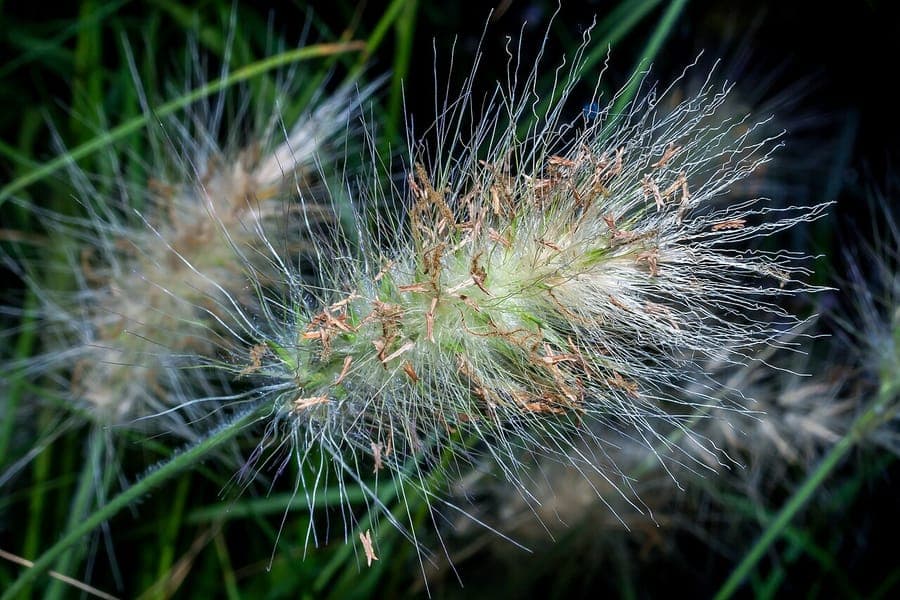
Photograph by Mike Peel (www.mikepeel.net). / CC BY-SA 4.0, via Wikimedia Commons
Feathertop: complete guide
Pennisetum villosum
¿Quieres ver Feathertop: complete guide en tu jardín?
1 minuto, sin tarjeta de crédito
Overview
Feathertop (Pennisetum villosum) is an elegant ornamental grass famous for its soft, silvery-white flower spikes. This graceful grass adds movement and texture to any garden. The grass originates from Africa and is recognizable by its fluffy, feather-like flowers that sway gently in the wind.
The plant is very popular in modern garden designs for its light, elegant appearance and ability to add interest throughout the seasons. It's a low-maintenance plant perfect for gardeners who want to conserve water.
Appearance and Bloom
Feathertop reaches a height of 60 to 90 centimeters with a width of about 60 centimeters. The leaves are narrow and green, forming compact grass clumps. The most characteristic features are the elegant, feather-like flower spikes that appear from July to September.
The flowers start green and gradually fade to a beautiful silvery-white. These feathery plumes remain decorative even in winter, giving the garden a romantic character.
Ideal Location
Feathertop thrives best in a sunny location with at least six hours of direct sunlight daily. The plant can also grow in light shade, though this may produce fewer flowers. A windy location is actually advantageous because the flower spikes sway beautifully.
The plant is very adaptable and can grow in almost any garden situation, but it thrives best in open, airy places.
Soil
Feathertop is not fussy about soil type and can grow well in poor to moderately fertile soil. The key is that the soil drains well. Heavy clay soil can be improved by adding sand or gravel.
The plant grows well in acidic to neutral soil. Add organic material when planting, but further special feeding is not needed.
Diseño gratis
¿Quieres ver Feathertop: complete guide en tu jardín? Crea un diseño gratis ahora.
Watering
Feathertop is drought-tolerant once established. In the first growing season you should water regularly until it is well-rooted. After establishment, the grass needs minimal water except in extreme drought.
In rainy seasons, additional watering is usually not needed. Overwatering can lead to leaf disease, so it's better to stay on the dry side.
Pruning
Feathertop should be cut back to about 10 centimeters high in early spring before new growth begins. This stimulates fresh leaf growth and creates a more attractive plant. Dead flower spikes can be removed in fall or winter for neatness.
The grass is low-maintenance and requires no further pruning during the season.
Maintenance Calendar
Spring: Cut back to 10 cm when new growth begins. Summer: Minimal care, enjoy the blooms. Fall: Dead flowers can be removed. Winter: Protect the grass by leaving old leaf mass as insulation in colder areas.
Winter Hardiness
Feathertop is hardy to about -10 degrees Celsius. In most areas of the UK, the plant will overwinter well, though in very cold areas protection can be beneficial. The dry leaf mass helps protect the plant from frost damage.
Companion Plants
Feathertop combines beautifully with other ornamental grasses, perennials and small shrubs. Pair with purple or dark flowering plants for contrast. Small bulbs like snowdrops can be planted underneath.
Closing
Feathertop brings elegance and movement to your garden with minimal effort. This graceful grass is perfect for contemporary garden designs. Visit gardenworld.app/en for more garden inspiration. Discover more ornamental grasses for your garden at gardenworld.app/en.
¿Quieres ver Feathertop: complete guide en tu jardín? Crea un diseño gratis ahora.
Sube una foto, elige un estilo y obtén un diseño fotorrealista con lista de plantas en menos de un minuto.
Más de 10.000 jardines diseñados
Sin tarjeta de crédito


Plantas similares
Sporobolus pungens: complete guide
Sporobolus pungens
Sporobolus pungens is a stoloniferous Mediterranean coastal grass with outstanding salt and drought tolerance, perfect for seaside and dry gardens.
Mediterranean aegilops: complete guide
Aegilops biuncialis
Everything about Aegilops biuncialis, a Mediterranean annual grass with ornamental spikes and outstanding drought tolerance for dry gardens.
Silver bluestem: complete guide
Bothriochloa saccharoides
Full guide to Bothriochloa saccharoides (silver bluestem): site, soil, watering, winter hardiness, pruning, and garden companions.