
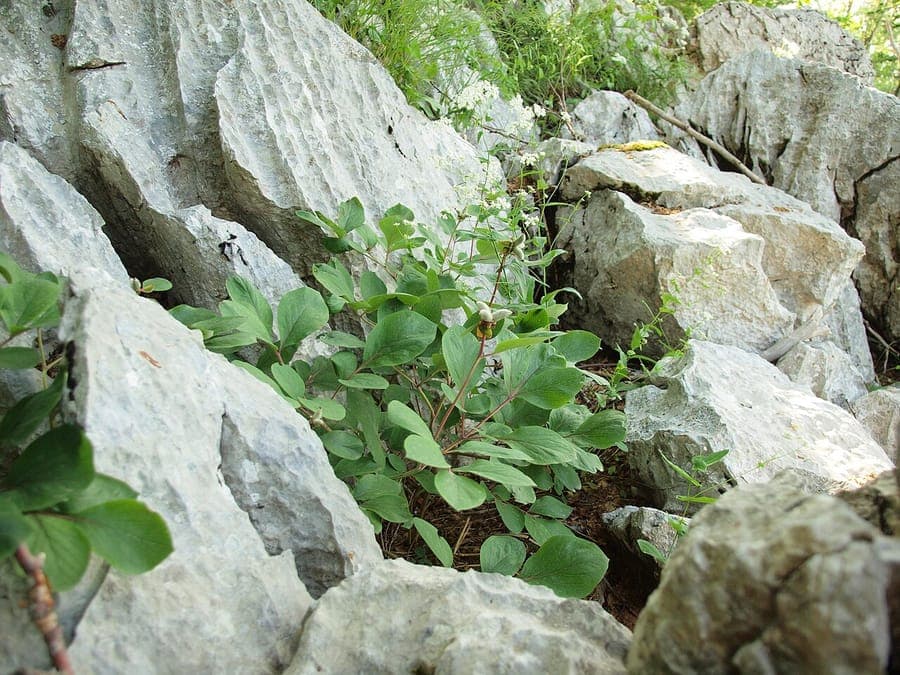
Orjen / CC BY-SA 3.0, via Wikimedia Commons
Paeonia daurica: complete guide
Paeonia daurica
¿Quieres ver Paeonia daurica: complete guide en tu jardín?
1 minuto, sin tarjeta de crédito
Overview
Paeonia daurica, commonly known as the Crimean peony, is an impressive perennial native to Southeast Europe and Asia Minor. This plant is especially valued for its large, full flowers that appear in shades of red and pink. It is a very robust species that can thrive in the same garden location for decades, making it a perfect choice for those seeking a lasting, low-maintenance planting.
The Crimean peony is reasonably winter-hardy compared to some other peony species and performs well in temperate climates. In the Netherlands, Belgium, and northern France, they survive winter without extra protection. They bloom in spring and create a true highlight in any front garden.
Appearance & bloom
This plant reaches a height of approximately 60 to 90 centimeters and a width of 60 to 80 centimeters. The flowers are double to semi-double with a diameter of 10 to 15 centimeters. They display a beautiful red to pink color, sometimes with white-streaked petals.
The foliage is finely cut and green, turning a lovely yellow to red in autumn. The blooming period extends from April to May, depending on the exact location and weather conditions. Each flower remains beautiful for approximately two weeks.
Ideal location
Paeonia daurica grows best in a location with at least six hours of direct sunlight per day. They can also grow in partial shade, but produce fewer flowers there. A sheltered spot without strong winds is preferable, as the heavy flowers can otherwise droop.
Do not plant the peony too close to a wall or fence. The plant needs space for good air circulation and moisture drainage.
Soil
This species prefers well-draining, humus-rich soil. A pH between 6.5 and 7.5 is ideal. Peonies dislike waterlogged conditions. If your soil is clayey, amend the planting bed with sand or garden grit.
Add organic matter such as ripened compost or leaf mold. This improves not only drainage but also provides the plant with nutrients.
Diseño gratis
¿Quieres ver Paeonia daurica: complete guide en tu jardín? Crea un diseño gratis ahora.
Watering
After planting, water regularly until the root system is established (first growing season). Mature plants are relatively drought-tolerant but prefer consistent moisture, especially during dry spells. Water in the morning to reduce disease. Avoid overhead watering; drip irrigation or watering at the base is best.
During blooming season, maintain even soil moisture. Once established, supplemental watering is only necessary during prolonged dry periods.
Pruning
Remove spent flowers immediately after blooming to encourage the plant to focus energy on root and foliage development. In autumn, cut the entire plant back to ground level after it dies back naturally. This prevents disease and keeps the garden tidy.
Remove any diseased or damaged leaves or stems throughout the growing season.
Maintenance calendar
Spring (March-April): Plant new peonies or divide mature specimens. Apply balanced fertilizer. Monitor for emerging shoots. Summer (May-August): Deadhead spent flowers. Water during dry periods. Watch for pests and diseases. Fall (September-November): Allow foliage to die back naturally. Cut plants to ground level. Apply mulch or compost layer. Winter (December-February): Plants are dormant. No watering unless exceptionally dry.
Winter hardiness
Paeonia daurica is hardy to approximately -20 degrees Celsius (USDA zone 5). In most of the Netherlands, Belgium, and northern France, this plant survives winter without special protection. Young plants may benefit from a light mulch layer in their first winter.
Companion plants
Pair Paeonia daurica with spring bulbs like tulips and daffodils for synchronized blooming. Combine with perennials such as achillea, salvia, or stachys for a vibrant mixed border. Low-growing ground covers like creeping thyme complement the plant structure. Ornamental grasses add texture and movement to the composition.
Closing
The Crimean peony is a loyal garden companion that improves with age. Its dramatic flowers and long lifespan make it a worthwhile investment. Start with one or two plants and watch them flourish for decades.
Find Paeonia daurica at local garden centers. For more information about garden design, visit gardenworld.app. At gardenworld.app, you can also explore how to integrate this stunning plant into your complete garden redesign.
¿Quieres ver Paeonia daurica: complete guide en tu jardín? Crea un diseño gratis ahora.
Sube una foto, elige un estilo y obtén un diseño fotorrealista con lista de plantas en menos de un minuto.
Más de 10.000 jardines diseñados
Sin tarjeta de crédito


Plantas similares
Tree peony (Paeonia x suffruticosa): complete guide
Paeonia x suffruticosa
Discover tree peonies: cultivation, care essentials, and garden placement. Magnificent flowers and long-lived shrub plants.
Paeonia californica: complete guide
Paeonia californica
Discover California peony, a spectacular flowering plant with deep red blooms. Complete growing guide with design tips and care instructions.
Paeonia cambessedesii: complete guide
Paeonia cambessedesii
Discover the rare Balearic peony, an exclusive and botanically unique plant. Growing guide with care tips for this Mediterranean treasure.