
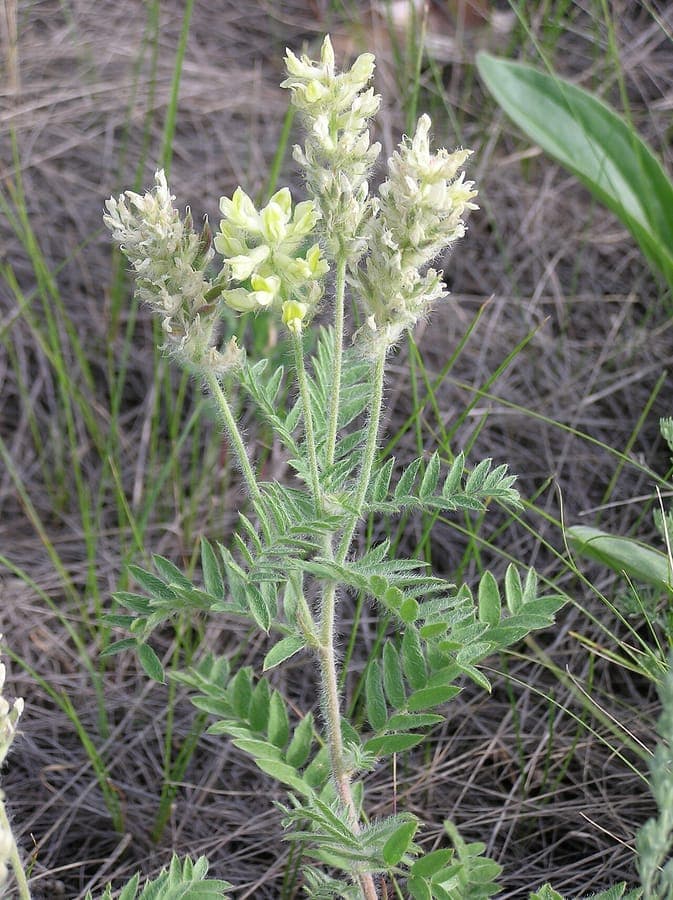
Le.Loup.Gris / CC BY-SA 3.0, via Wikimedia Commons
Downy-beaked oxytropis: complete guide
Oxytropis pilosa
¿Quieres ver Downy-beaked oxytropis: complete guide en tu jardín?
1 minuto, sin tarjeta de crédito
Introduction
The downy-beaked oxytropis, scientifically known as Oxytropis pilosa, is a remarkable and extremely hardy plant from the legume family. This species grows wild across much of Europe, from the Balkans to Siberia and northwestern Iran. With its magnificent purple-pink flowers and densely hairy, silvery-gray foliage, this plant is a true jewel in dry, sunny gardens. This guide provides everything you need to know to successfully grow this fascinating plant in your garden.
Overview
Oxytropis pilosa is a sturdy perennial plant that grows only 30-50 centimeters tall. The plant forms compact, silky clusters with beautifully hairy leaves that are silvery-gray in color. This gives the plant a striking appearance in the garden landscape. As a member of the Fabaceae family, this plant can fix nitrogen from the air, meaning it is extremely suitable for lean, poor soils. The plant is ideal for rock gardens, dry borders and alpine plant collections.
Appearance and Bloom
The most striking features of Oxytropis pilosa are its densely hairy, silvery-white leaves and purple-pink flowers. The leaves are compound and very finely hairy, giving the plant a velvety feel. This hairiness is an adaptation to extreme UV radiation and drought.
Flowers appear from May to July in dense, upright racemes. They are typical of the pea family, with characteristic petals in distinct sections. The color varies from purple to pink depending on conditions. After flowering, seed pods form.
Ideal Location
Downy-beaked oxytropis requires full sun and can tolerate 6-8 hours of direct sunlight. Plant this in the sunniest spot in your garden. The plant demands well-ventilated conditions and must absolutely not be placed in waterlogged spots. Wind is not harmful and can even be beneficial by keeping the leaves dry. Protection from excessive shade is essential.
Diseño gratis
¿Quieres ver Downy-beaked oxytropis: complete guide en tu jardín? Crea un diseño gratis ahora.
Soil
Oxytropis pilosa thrives optimally on poor, well-drained soils. Sandy and stony soils are preferred. The plant tolerates very dry conditions and refuses to thrive on rich, highly fertilized soils. pH can range from neutral to slightly acidic. Add gravel or sand to raised borders if you have clay. Nitrogen enrichment will provide more leaf growth at the expense of flowering.
Watering
Downy-beaked oxytropis is extremely drought-tolerant and requires minimal water. After planting, some watering may be needed until roots are well-established, but once established, this plant can survive on rainfall alone. In periods of extreme drought, some watering can help, but less is more. Excessive water will cause rapid plant failure.
Pruning
Pruning is not necessary. Simply remove spent flower clusters after blooming to keep the plant tidy. This sometimes stimulates second flowering. Damaged foliage can be removed.
Maintenance Calendar
Spring: No special care needed. Summer: Monitor for leaf insects. Water only in extremely dry periods. Fall: Plant dies back. No maintenance needed. Winter: Extremely hardy. Snow cover protects against extreme cold.
Winter Hardiness
Downy-beaked oxytropis is exceptionally winter hardy to -30 degrees Celsius and lower. The plant can easily survive the harshest winters. The rosette growth habit helps with snow protection. In warm, wet winters, however, problems can occur from rot.
Companion Plants
Oxytropis pilosa grows well with other drought-tolerant mountain plants such as Armeria, Dianthus, Eryngium and Santolina. This combination creates a Mediterranean or alpine effect. Sedum species also fit well.
Closing
Oxytropis pilosa is a valuable addition to any dry, sunny garden. This plant is perfect for beginners because it is very low-maintenance. With minimal care and no artificial input, your downy-beaked oxytropis will provide years of bloom and vitality. For more information about drought-tolerant plants, visit gardenworld.app.
¿Quieres ver Downy-beaked oxytropis: complete guide en tu jardín? Crea un diseño gratis ahora.
Sube una foto, elige un estilo y obtén un diseño fotorrealista con lista de plantas en menos de un minuto.
Más de 10.000 jardines diseñados
Sin tarjeta de crédito


Plantas similares
Tall Silky Lupine: complete guide
Lupinus elatus
Tall silky lupine is a fast-growing Californian perennial with silvery foliage and blue-purple flower spikes, ideal for a prairie-style garden.
Garfield Lupine: complete guide
Lupinus garfieldensis
The Garfield lupine is a rare, fast-growing American perennial for alkaline, dry grassland gardens, with striking blue flower spikes.
Lupinus elegans: complete guide
Lupinus elegans
Lupinus elegans, the elegant lupine, is a spectacular blooming plant from Mexico with blue flower spikes. Care, cultivation and garden use.