
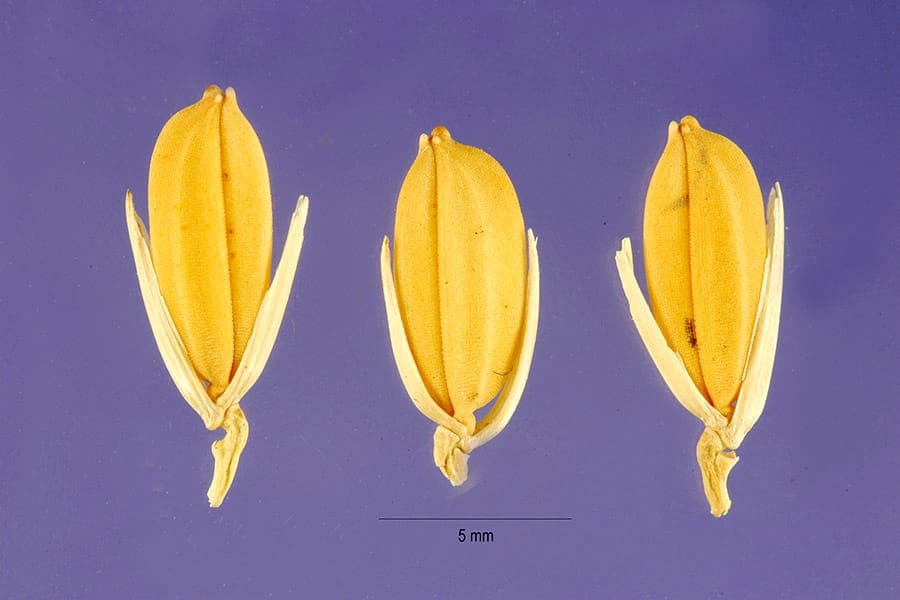
Jose Hernandez @ USDA-NRCS PLANTS Database / Public domain, via Wikimedia Commons
African rice (Oryza glaberrima): complete guide
Oryza glaberrima
¿Quieres ver African rice (Oryza glaberrima): complete guide en tu jardín?
1 minuto, sin tarjeta de crédito
Overview
African rice (Oryza glaberrima) is an important food crop that has been cultivated in West Africa for centuries. Unlike the more familiar Asian rice (Oryza sativa), this species has its own ecosystem and use history. The plant is widely used in traditional agriculture in countries such as Senegal, Mali, and Guinea. For garden designers and enthusiasts of ethnobotany, African rice can be an interesting addition to an educational or experimental garden.
This rice variety is known for its adaptability to various growing conditions and its resilience to drought. The plant reaches a height of approximately 60 to 90 centimeters and produces golden panicles full of grains.
Appearance and bloom
African rice has long, slender leaves typical of grasses. The leaves can reach a length of 30 centimeters or more and have a light green color. The flowering panicles appear at the end of growing seasons and are initially green, later turning golden.
The panicles have a characteristic shape with bristles at the ends. The grains themselves are somewhat larger than in some other rice varieties and have a golden to brown color when fully ripe. The flowering period runs from June to September, depending on growing conditions.
Ideal location
African rice grows best in warm climates with plenty of sun. Plant this grain variety in a location where the plant receives at least six to eight hours of direct sunlight per day. A location on the south side of the garden, against a wall or fence that radiates heat, can be beneficial for growth.
The plant also thrives in more shaded conditions, although this may result in less productive growth. Protection from strong wind gusts is important, as strong wind can break the thin stems.
Soil
African rice does not have very high soil composition requirements, but grows best in well-draining, nutrient-rich soil. The plant prefers soil with a pH between 6.0 and 7.5. Add organic material such as compost or well-rotted manure before planting.
Although the plant can tolerate drought, it grows better in moist soil. However, make sure the soil is not waterlogged. Well-draining soil is essential because water excess can lead to fungal problems. For best results, mix the soil with sand and organic matter.
Diseño gratis
¿Quieres ver African rice (Oryza glaberrima): complete guide en tu jardín? Crea un diseño gratis ahora.
Watering
Give African rice regular water during the growing period. Ensure that the soil stays moist, but not wet. Under normal conditions, you will need water two to three times per week, depending on weather conditions and soil type.
During dry periods, watering two to three times per week may be necessary. However, excessive water can be harmful. A simple way to monitor soil moisture levels is to check the top two centimeters of soil - if it feels dry, it is time to water.
Pruning
African rice does not require much pruning. Remove only dead leaves and damaged stems. If you are preparing for flowering, you can remove some side stems to direct energy to the main panicles.
After flowering, you can prune the plant to about ten centimeters above the ground. This stimulates new growth for future seasons. Use clean, sharp tools to prevent infection.
Maintenance calendar
Preparation March to April: Prepare the soil and plant seeds or young plants.
Growth May to August: Regulate water regularly and check for pests. Add organic fertilizer every two weeks.
Flowering and harvest September to October: Follow the flowering and harvest the panicles once they turn golden.
Rest November to February: Let the area rest and prepare it for the next season.
Winter hardiness
African rice is not winter hardy in temperate climates. The plant dies off once the temperature drops below 10 degrees Celsius. In warmer regions (USDA zone 10 and higher), the plant can grow as a perennial plant, although it is usually treated as an annual plant.
In areas with winters, this rice grows best as a seasonal planting. Your gardenworld.app design tool can help you set the best growing period for your climate. Protect the plant from frost by placing it in a greenhouse or bringing it indoors if frost threatens.
Companion plants
African rice grows well alongside other tropical crops such as cassava or okra. A combination with decorative grasses creates a beautiful appearance. Avoid fast-growing plants that could block light.
In an educational garden design, African rice forms an important educational component. Use gardenworld.app to create a traditional West African garden layout, with various rice and grain species. Ensure adequate space between plants for air circulation.
Closing remarks
African rice is a fascinating plant for gardeners interested in ethnobotany and food production. With proper care, you can obtain healthy, productive plants that provide substantial food yields. Ensure warm weather, good drainage, and regular maintenance. For designing a garden with African rice and other ethnobotanical crops, we recommend using gardenworld.app, where you can create and customize your ideal garden layout.
¿Quieres ver African rice (Oryza glaberrima): complete guide en tu jardín? Crea un diseño gratis ahora.
Sube una foto, elige un estilo y obtén un diseño fotorrealista con lista de plantas en menos de un minuto.
Más de 10.000 jardines diseñados
Sin tarjeta de crédito


Plantas similares
Sporobolus pungens: complete guide
Sporobolus pungens
Sporobolus pungens is a stoloniferous Mediterranean coastal grass with outstanding salt and drought tolerance, perfect for seaside and dry gardens.
Mediterranean aegilops: complete guide
Aegilops biuncialis
Everything about Aegilops biuncialis, a Mediterranean annual grass with ornamental spikes and outstanding drought tolerance for dry gardens.
Silver bluestem: complete guide
Bothriochloa saccharoides
Full guide to Bothriochloa saccharoides (silver bluestem): site, soil, watering, winter hardiness, pruning, and garden companions.