
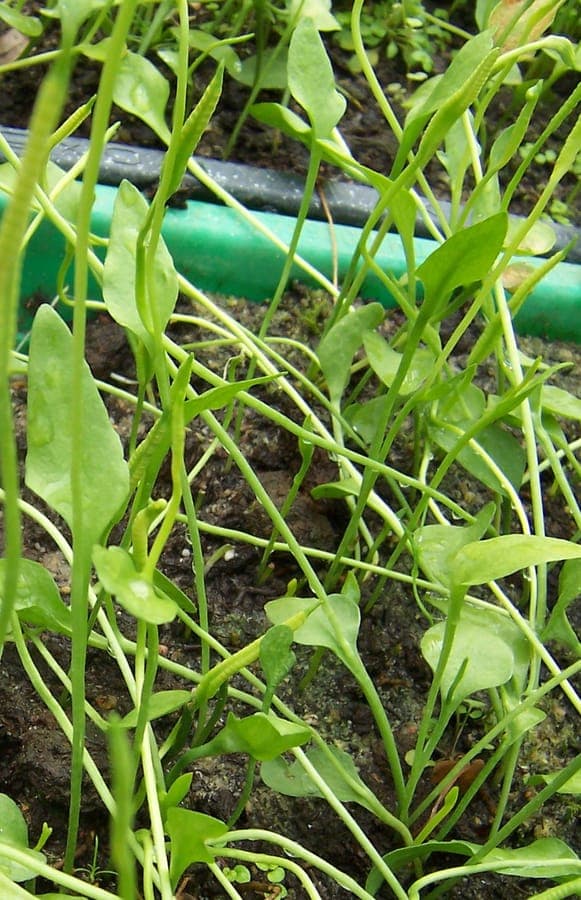
Dysmorodrepanis / CC BY-SA 3.0, via Wikimedia Commons
Portuguese Adder's Tongue: complete guide
Ophioglossum lusitanicum
¿Quieres ver Portuguese Adder's Tongue: complete guide en tu jardín?
1 minuto, sin tarjeta de crédito
Overview
The Portuguese Adder's Tongue (Ophioglossum lusitanicum) is a remarkable and rare fern found in Mediterranean regions of Europe, North Africa, and the Middle East. This delicate plant, distinguished by its unique two-lipped fronds, adds subtle elegance to shaded garden spaces. Growing slowly, it attracts gardeners seeking something truly exceptional.
Ophioglossum lusitanicum belongs to the Ophioglossaceae family and is prized for its miniature form and specific environmental preferences. This fern is perfect for gardeners who want to showcase something rare and botanically interesting in their landscapes.
Appearance and Bloom
The plant reaches only 10 to 20 centimeters in height with very small, elongated leaves. Its distinctive characteristic is the two-lipped sporangiophore that resembles a tiny snake, hence the name "adder's tongue". The leaf morphology is remarkably simple and primitive compared to modern ferns.
The sporangia (spore carriers) display a yellow-green hue and appear throughout the growing season. This is a semi-evergreen fern that can grow year-round in mild climates. In colder regions, foliage dies back in winter, but the rhizome survives.
The plant does not flower in the traditional sense but produces spores for reproduction. This process occurs from January through December, making this fern ideal for year-round greenery in woodland gardens.
Ideal Location
Ophioglossum lusitanicum thrives in partial to full shade. The plant requires light but intense direct sunlight damages the foliage. Ideal placements include under deciduous trees or beneath building overhangs.
The plant grows well in protected corners and humid microclimates. Ensure protection from cold winds and strong drafts. If you have a north-facing wall or very shaded corner, this is perfect.
On gardenworld.app, this plant pairs beautifully with other shade-lovers. Use it as groundcover beneath larger plants.
Soil
The ideal soil for Ophioglossum lusitanicum is well-draining with abundant organic matter. The plant prefers humus-rich, slightly acidic soils. Mix your garden soil with substantial leaf mold or compost.
The pH range should be between 5.5 and 6.5. If your soil is too alkaline, add sulfur. The plant requires excellent drainage to prevent root rot.
When growing in containers, use specialist fern compost or create your own mix with peat moss, leaf mold, and perlite in a 2:1:1 ratio.
Diseño gratis
¿Quieres ver Portuguese Adder's Tongue: complete guide en tu jardín? Crea un diseño gratis ahora.
Watering
Ophioglossum lusitanicum loves moist (but not waterlogged) conditions. Water regularly to keep soil moist but not saturated. In summer during dry spells, provide more water; in winter, less.
Check soil moisture with your finger: if dry at 2 centimeters depth, it is time to water. Water at the base, not on foliage, to prevent fungal issues.
On gardenworld.app we recommend misting with a fine water sprayer, especially in dry conditions. This recreates the natural moisture of forest floor microclimates. Water generously during the growing period from March to October.
Pruning
This fern requires virtually no pruning. Remove only dead or damaged fronds. Note: many ferns are sensitive to excessive pruning, so proceed carefully. Cut only with sharp, clean scissors to prevent infection.
In spring when new growth emerges, carefully remove old dead fronds. This helps the plant concentrate energy on new development.
Maintenance Calendar
January-February: Minimal care. Remove dead foliage. Check for pests. March-May: Growth season begins. Water regularly. Fertilize monthly. June-September: Peak growth period. Mist regularly. Ensure shade. October-December: Growth slows. Water less. Clean garden beds.
Winter Hardiness
Ophioglossum lusitanicum is hardy to approximately -5 degrees Celsius. In cold regions, grow in containers and bring indoors for winter. In Mediterranean climates it grows year-round.
In temperate zones, plants can stay outdoors if you apply thick mulch (10 centimeters). This protects the rhizome from frost. Ensure planting beds drain well to prevent water pooling around roots.
Companion Plants
Combine Ophioglossum lusitanicum with other shade-loving plants. Good companions include Epimedium, Helleborus, Hepatica, and other ferns like Polystichum. These combinations create beautiful texture contrasts.
When planting together on gardenworld.app, consider height differences. Position Adder's Tongue low so taller plants do not shade it too much. Maintain spacing of at least 30 centimeters between plants.
Closing
The Portuguese Adder's Tongue is a remarkable, rare plant that adds personality to shaded garden corners. Although it makes specific demands on growing conditions, it is worth the effort. With proper location, soil, and watering, you will enjoy this exceptional fern.
Find the plant through specialist nurseries for the best variety and quality. Start creating your own fern garden on gardenworld.app today!
¿Quieres ver Portuguese Adder's Tongue: complete guide en tu jardín? Crea un diseño gratis ahora.
Sube una foto, elige un estilo y obtén un diseño fotorrealista con lista de plantas en menos de un minuto.
Más de 10.000 jardines diseñados
Sin tarjeta de crédito


Plantas similares
Azores Adderstongue: complete guide
Ophioglossum azoricum
Ophioglossum azoricum is a rare fern from Europe and Macaronesia. Learn how to cultivate this delicate, moisture-loving fern in shaded gardens.
Botrychium matricariifolium: complete guide
Botrychium matricariifolium
Master cultivation of daisy-leaf grape fern: habitat requirements, propagation challenges, and specialized forest garden care.
Northern moonwort: complete guide
Botrychium boreale
Northern moonwort (Botrychium boreale), also called boreal moonwort, is a rare fern from northern regions with distinctive moon-shaped leaflets. Discover cultivation and care tips.