
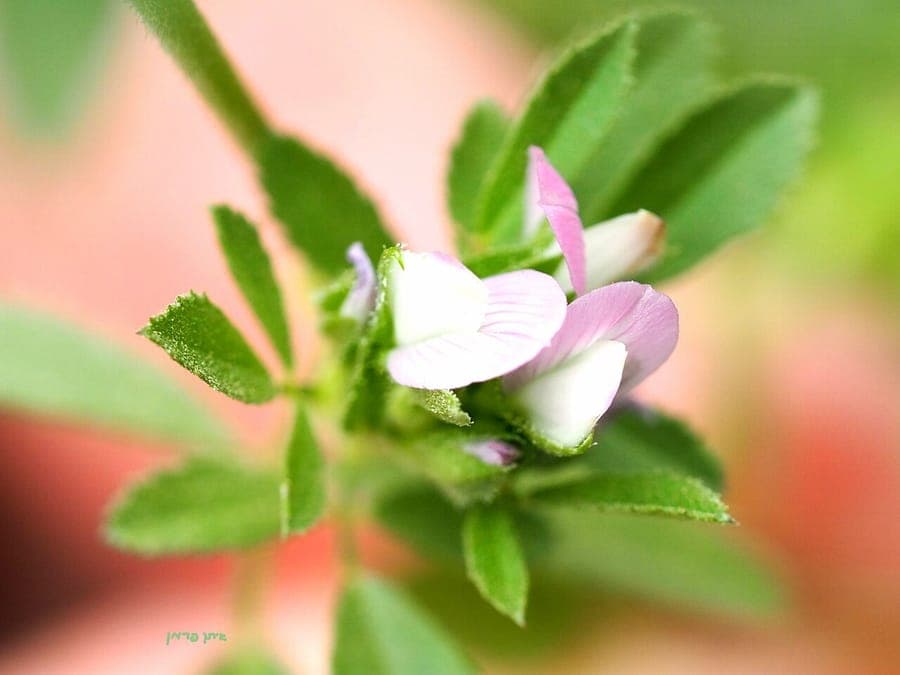
Eitan Ferman / CC BY-SA 4.0, via Wikimedia Commons
Ononis mitissima: complete guide
Ononis mitissima
¿Quieres ver Ononis mitissima: complete guide en tu jardín?
1 minuto, sin tarjeta de crédito
Overview
Ononis mitissima, commonly called Mediterranean Restharrow or Mild Restharrow, is a charming Mediterranean shrub with stunning purple flowers. This compact plant blooms from April to June and attracts bees and butterflies throughout the growing season. Ononis mitissima is exceptionally drought tolerant and thrives on poor, well-drained soils without special feeding requirements.
This is a perfect choice for xeriscapes, rock gardens, and Mediterranean planting schemes throughout Europe. The plant grows to 60 cm tall and wide, making it suitable for small gardens and specialist collections. Its compact nature and reliable flowering make it ideal for gardeners seeking low-maintenance Mediterranean aesthetics.
Appearance & Bloom
Ononis mitissima produces numerous small purple flowers densely clustered on compact shrubs from April through June. Blooms concentrate around May-June with spectacular displays. Each flower is modest in size but vital for pollination by wild bees. The mass of blooms creates spectacular display in early summer. The flowers are slightly fragrant with a subtle honey-like scent attractive to pollinators.
The plant forms an attractive, compact shrub with fine, feathery foliage that remains green year-round in mild climates. Outside blooming season, the fine, dark-green leaf mass provides attractive backdrop for other plantings. The plant grows slowly but steadily, creating architectural structure.
Ideal Location
Ononis mitissima thrives in full sun locations with a minimum of 6 hours direct sunlight daily. The plant handles intense solar exposure well and blooms best in full sun. Shade results in fewer flowers and poor growth resulting in leggy plants.
Plant in dry, sunny spots: against south or west-facing walls where walls reflect heat, on raised beds, or in rock gardens. The plant feels at home in Mediterranean settings with abundant light. Afternoon shade in very hot regions can prevent leaf scorch.
Soil
Ononis mitissima is not fussy about soil composition as long as it drains well. The plant actually prefers poor, lean soils. In rich, heavy soils, the plant grows poorly and drainage may be compromised causing root rot.
Optimal pH ranges from neutral to slightly alkaline, between 7.5 to 8.0. Heavy clay soils should be amended with sand or gravel. The plant thrives on calcareous soils. Poor soils are no handicap for this species.
Diseño gratis
¿Quieres ver Ononis mitissima: complete guide en tu jardín? Crea un diseño gratis ahora.
Watering
Ononis mitissima is exceptionally drought tolerant and requires no supplemental water after establishment. In normal rainfall conditions, the plant survives without support. Water only during extreme drought situations during May-June growing season.
Newly planted specimens need regular water for the first four to six weeks until established. Excessive watering can cause rot problems, especially in winter. In humid climates, ensure excellent drainage. The plant accepts drought more readily than water excess.
Pruning
Pruning is minimal. The plant can be lightly trimmed after flowering to maintain compact habit. In early spring, dead wood can be removed carefully. Gentle pruning in June helps maintain compactness.
Excessive pruning is not needed. The plant is naturally compact and does not outgrow its space. Heavy pruning can require years for recovery.
Maintenance Calendar
March-April: Growing season begins. Remove dead wood carefully. Plant new specimens in position.
April-June: Flowering period at peak. Minimal maintenance. Enjoy purple blooms in full glory.
July-August: Summer rest period. No extra care needed.
September-October: Winter preparation. No extra attention required.
November-February: Winter dormancy. Plant is hardy in Europe.
Winter Hardiness
Ononis mitissima is winter hardy to -10 to -15 degrees Celsius in normal years. In exceptionally severe winters, problems may occur on exposure. Good drainage is essential to prevent rot in winter.
In colder zones, protection with covering or mulch is recommended. Avoid thick leaf cover - this promotes rotting and fungal issues.
Companion Plants
Ononis mitissima works well with:
- Lavandula: purple tones, similar drought requirements
- Helianthemum: compact rosettes, textural contrast
- Santolina: silver foliage, striking contrast
- Gaura: airy flowers, interesting volumetric combination
- Cistus: pink/red flowers, similar habitat preference
Combine with other Mediterranean plants for best results.
Conclusion
Ononis mitissima is an easy-care Mediterranean shrub perfect for dry, sunny locations. Rely on this strong plant for dependable purple blooms in spring and early summer. Ideal for gardeners wanting to conserve water and dream of true Mediterranean gardens.
Available at most garden centers. Visit gardenworld.app for more Mediterranean planting inspiration!
¿Quieres ver Ononis mitissima: complete guide en tu jardín? Crea un diseño gratis ahora.
Sube una foto, elige un estilo y obtén un diseño fotorrealista con lista de plantas en menos de un minuto.
Más de 10.000 jardines diseñados
Sin tarjeta de crédito


Plantas similares
Tall Silky Lupine: complete guide
Lupinus elatus
Tall silky lupine is a fast-growing Californian perennial with silvery foliage and blue-purple flower spikes, ideal for a prairie-style garden.
Garfield Lupine: complete guide
Lupinus garfieldensis
The Garfield lupine is a rare, fast-growing American perennial for alkaline, dry grassland gardens, with striking blue flower spikes.
Lupinus elegans: complete guide
Lupinus elegans
Lupinus elegans, the elegant lupine, is a spectacular blooming plant from Mexico with blue flower spikes. Care, cultivation and garden use.