
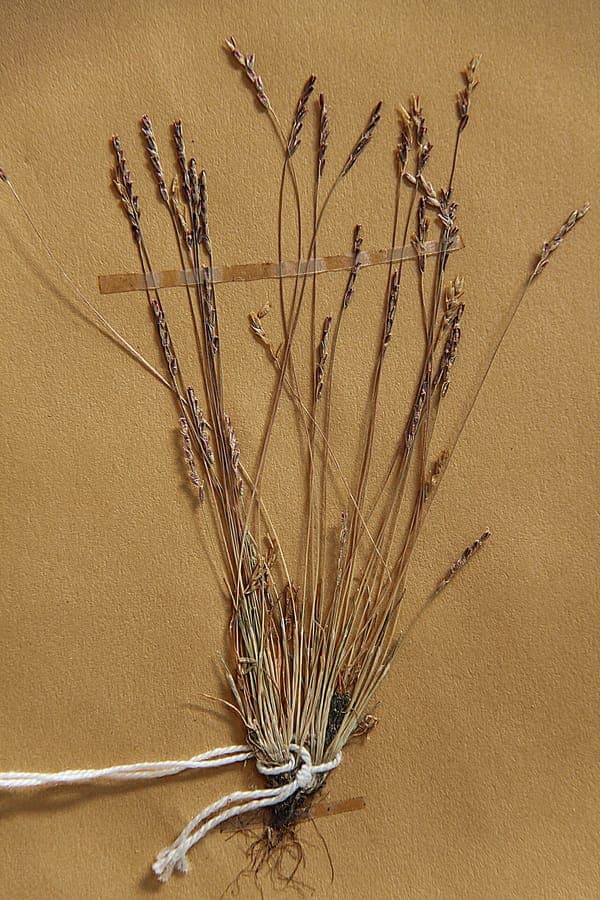
Dwergenpaartje / CC BY-SA 4.0, via Wikimedia Commons
Early Sand Grass (Mibora minima): complete guide
Mibora minima
¿Quieres ver Early Sand Grass (Mibora minima): complete guide en tu jardín?
1 minuto, sin tarjeta de crédito
Overview
Early Sand Grass, scientifically known as Mibora minima, is a charming yet highly functional grass species from the Poaceae family (true grass family). This elegant wild grass originates from Europe and northwestern Africa, where it naturally inhabits sandy and loamy soils in open, sunny landscapes. The plant is particularly valuable for natural lawn seed mixes and ecological gardens, thanks to its early flowering period that begins as early as March and provides vital food for early insects such as bumblebees, solitary bees, and other pollinators. This small yet hardworking grass plays an exceptionally important role in early food provision and biodiversity maintenance.
Mibora minima reaches only 10 to 30 centimeters in height and forms extremely dense, compact tufts with exceptionally fine foliage measuring just a few millimeters wide. Despite its modest dimensions, the plant is extremely productive in seed formation and contributes significantly to overall biodiversity in gardens and natural areas. The name 'Early sand grass' directly references its characteristic early flowering period that begins much earlier than virtually all other grass species. The plant is very popular in ecological garden designs and is frequently used in specially adapted natural lawn mixtures to provide early-season insect food during the critical early spring months.
Appearance and Bloom Cycle
Early Sand Grass is immediately recognizable by its extremely fine, hair-like foliage growing in dense, compact tufts. The leaves measure only 2 to 4 millimeters wide and are very narrow, yellowish-green to dark green in color. The plant forms compact rosettes at ground level, above which the characteristic flower spikes rise stiffly in an elegantly architectural manner.
The bloom is the plant's most striking feature, occurring from February through May, making this plant one of the very earliest bloomers in the season. This is crucial for early-season insects needing food. The flower spikes are extremely fine and elegant, measuring just 1 to 3 centimeters long, and grow in loose, open panicles. The individual florets are microscopically small, literally nearly invisible to the naked eye, yet the complete flower presentation is visually attractive and highly distinctive. Following flowering, characteristic yellow to reddish seed pods (caryopses) form in interesting geometric clusters that are very decorative.
The plant displays an extremely graceful appearance and dynamic presentation, especially when wind plays through the flower clusters and ripples the golden seeds.
Ideal Location
Early Sand Grass grows best in very sunny locations with full sun exposure and no shade whatsoever. The plant is extremely light-hungry and only blooms with abundant direct sunlight. A minimum of 6 to 8 hours of direct sun daily is essential for proper flowering. In partial shade, the plant can grow but flowering will be very minimal. This grass is ideal for open, sunny meadows, lawn edges, and naturalistic plantings in full sun exposure.
This delicate grass is ideal for wildflower borders, naturalistic plantings, field margins, untidy gardens, and especially for open, sunny spots. It can also grow between paving stones and in wall crevices where other plants refuse. The plant grows excellently in spots where other formal gardens fail, bringing life to neglected corners. In urban gardens and balconies, it can be planted in small containers for seasonal interest.
Soil Requirements
Early Sand Grass thrives best in well-draining, sandy soils with a pH of 6.0 to 7.5. The plant naturally occurs on poor, nutrient-deficient soils and even thrives in very poor, lean soils where other plants refuse to grow. This makes it perfect for neglected spots and marginal areas with inferior soils that challenge other plants.
The plant tolerates even very dry, gritty soils and can grow in very nutrient-poor sand and gravel beds without any problem whatsoever. In very rich, fertile soils, the plant sometimes performs less well, as this leads to excessive leaf growth. No fertilization is needed or desired. The plant is very tolerant and will grow practically anywhere except in very wet, waterlogged situations that promote root rot.
Diseño gratis
¿Quieres ver Early Sand Grass (Mibora minima): complete guide en tu jardín? Crea un diseño gratis ahora.
Watering
Once established, Early Sand Grass has extremely minimal water requirements. The plant is extremely drought-tolerant and can survive long periods of many weeks without supplemental water and actually thrive. During seed-setting time and in the first weeks after sowing, regular moisture monitoring can be beneficial, but even then it is not strictly necessary.
In normal rainfall areas (>500mm annual precipitation), supplemental watering is typically completely unnecessary. The plant thrives better with moderate water than with excessive moisture. Absolutely avoid waterlogging, as this can lead to root rot and plant death. The plant prefers dry conditions and is adapted to periods of drought naturally.
Pruning and Maintenance
Early Sand Grass requires absolutely minimal maintenance. The plant is typically annual and dies after seed set, which is completely normal and expected. Many gardeners allow the plant to self-seed naturally, creating new plants in the following season without any effort. This also promotes naturalism in the garden and reduces maintenance work considerably.
Significant pruning is completely unnecessary. The plant naturally forms a very attractive, slender shape. In overly full growth, tangled areas can be removed, but this is rarely needed. The plant is very self-sufficient and independent.
Maintenance Calendar
January/February: Prepare seedbed; examine soil conditions; plan sowing strategy.
March: Begin sowing period; regular moisture monitoring; prepare sowing area carefully.
April/May: Full flowering period; seed formation begins; regular monitoring for damage.
June: Full seed maturity; excellent insect forage; seed setting is optimal.
July-August: Seed ripening and drying; possible reseeding; continued monitoring.
September-February: Rest period; no maintenance needed; seed overwinters naturally.
Winter Hardiness
Early Sand Grass is a winter annual, meaning the plant survives winter as seed but dies after seed set in late spring. The seed is extremely winter hardy and tolerates temperatures far below USDA zone 6 (-20 degrees Celsius) without any damage whatsoever. In temperate climates like the Netherlands and Belgium, the seed virtually always overwinters successfully and automatically produces new plants in the following season without any intervention needed.
Companion Plants and Combinations
Early Sand Grass combines beautifully with other small wildflowers and early-blooming plants. Plant alongside other arable field plants such as Papaver rhoeas (corn poppy) and Centaurea cyanus (cornflower). The golden seed heads of Early Sand Grass contrast nicely with other early bloomers and create visual interest.
Other good combinations include:
- Anemone blanda: blue and pink flowers
- Draba: yellow flowers
- Erophila: seed pod formations
- Thymus: pink and purple varieties
- Linaria: small snapdragon-like flowers
At local garden centers, Early Sand Grass seed can be purchased, typically in spring.
Closing Thoughts
Mibora minima is a valuable addition to ecological gardens and natural lawn mixtures. Despite its small size, the plant offers significant benefits to insects and birds, plus an attractive early visual element in any garden. With minimal maintenance and very low water requirements, this delicate grass definitely deserves attention from design-conscious gardeners. For more inspiration on creating ecological gardens and integrating wild grasses into your landscape, visit gardenworld.app for advanced design services. Gardenworld.app offers innovative planning tools to transform your outdoor space into a thriving, ecologically healthy environment with optimal insect protection.
¿Quieres ver Early Sand Grass (Mibora minima): complete guide en tu jardín? Crea un diseño gratis ahora.
Sube una foto, elige un estilo y obtén un diseño fotorrealista con lista de plantas en menos de un minuto.
Más de 10.000 jardines diseñados
Sin tarjeta de crédito


Plantas similares
Sporobolus pungens: complete guide
Sporobolus pungens
Sporobolus pungens is a stoloniferous Mediterranean coastal grass with outstanding salt and drought tolerance, perfect for seaside and dry gardens.
Mediterranean aegilops: complete guide
Aegilops biuncialis
Everything about Aegilops biuncialis, a Mediterranean annual grass with ornamental spikes and outstanding drought tolerance for dry gardens.
Silver bluestem: complete guide
Bothriochloa saccharoides
Full guide to Bothriochloa saccharoides (silver bluestem): site, soil, watering, winter hardiness, pruning, and garden companions.