
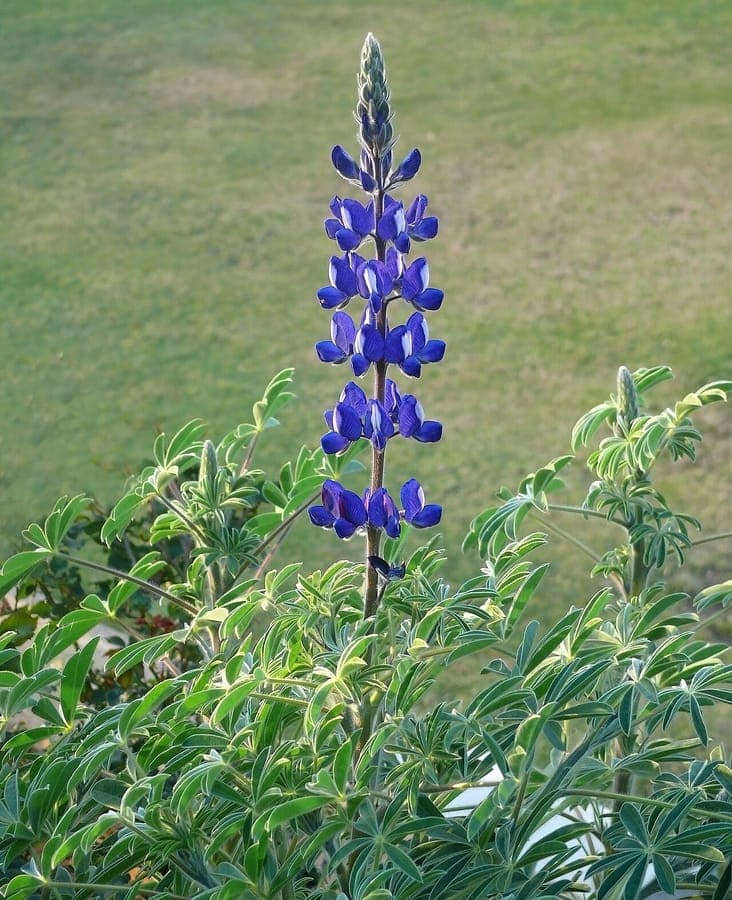
Zachi Evenor / CC BY 2.0, via Wikimedia Commons
Lupinus pilosus: complete guide
Lupinus pilosus
¿Quieres ver Lupinus pilosus: complete guide en tu jardín?
1 minuto, sin tarjeta de crédito
Overview
Lupinus pilosus, commonly known as the blue lupin or blue mountain lupin, is a stunning perennial plant native to the Mediterranean region. This elegant plant is renowned for its striking blue flower spires that tower above the foliage. The plant thrives best in warm, sunny locations and brings a Mediterranean flair to any garden.
Appearance and bloom
The blue lupin reaches heights of 60 to 90 centimeters and spreads to about 45 centimeters wide. The plant emerges with finely branched, hairy stems and palmate leaves with five to nine narrow leaflets. The flowers, which appear from April to June, are gathered in dense, striking blue spires. These flower spikes can reach up to 30 centimeters long and attract butterflies, bees, and other pollinators.
Ideal location
Place your blue lupin in a spot with full sun, receiving at least six hours of direct sunlight daily. The plant does not perform well in shade. This species thrives in warm, sheltered locations, especially protected from northerly winds. In cold regions, shelter may be essential.
Soil
The blue lupin prefers well-draining, dry to moderately moist soil. This plant can tolerate chalky, sandy, and loamy soils well. Ensure the soil is not waterlogged, as this leads to root rot. For optimal growth, you can add sand when planting to improve drainage.
Watering
Once established, this lupin is quite drought-tolerant. Water regularly during the first growing season to develop a strong root system. In dry periods, especially during flowering, additional watering is necessary. However, avoid overwatering - the plant prefers dry conditions.
Diseño gratis
¿Quieres ver Lupinus pilosus: complete guide en tu jardín? Crea un diseño gratis ahora.
Pruning
Pruning is not necessary, but you can remove spent flowers to encourage further blooming. After the flowering period, the plant usually dies back. Remove dead material in autumn to keep the plant healthy and prevent pests.
Maintenance calendar
Spring: Plant lupines in March or April. Ensure well-draining soil and full sun. Summer: Check regularly for moisture and water as needed. Remove spent flowers. Fall: Remove dead leaves and stems. Winter: No specific maintenance needed, although shelter in cold regions can be beneficial.
Winter hardiness
The blue lupin is hardy in zones 7-9 (down to -15 degrees Celsius) and can even thrive in zone 6 with shelter. In cold regions, mulching around the plant can help prevent root rot. The plant is not suitable for very cold climates.
Companion plants
Combine lupines with other Mediterranean plants such as lavender, sage, and cistus. Ornamental grasses like stipa and festuca provide beautiful contrast. White flowering plants like marguerite create striking contrast with blue flowers. In informal borders, the lupin works well with other structural plants.
Closing
Lupinus pilosus adds elegance and color to Mediterranean and informal gardens. With minimal care and maximum beauty, this plant is a must-have for gardeners seeking to create a warm, Mediterranean feel. Combine with suitable companions and enjoy years of blooms.
For those seeking quality lupines for their garden, major retailers like Intratuin and Gamma are available in the Netherlands, where this plant is in stock. For more information, visit gardenworld.app/nl or gardenworld.app/en for inspiration.
¿Quieres ver Lupinus pilosus: complete guide en tu jardín? Crea un diseño gratis ahora.
Sube una foto, elige un estilo y obtén un diseño fotorrealista con lista de plantas en menos de un minuto.
Más de 10.000 jardines diseñados
Sin tarjeta de crédito


Plantas similares
Tall Silky Lupine: complete guide
Lupinus elatus
Tall silky lupine is a fast-growing Californian perennial with silvery foliage and blue-purple flower spikes, ideal for a prairie-style garden.
Garfield Lupine: complete guide
Lupinus garfieldensis
The Garfield lupine is a rare, fast-growing American perennial for alkaline, dry grassland gardens, with striking blue flower spikes.
Lupinus elegans: complete guide
Lupinus elegans
Lupinus elegans, the elegant lupine, is a spectacular blooming plant from Mexico with blue flower spikes. Care, cultivation and garden use.