
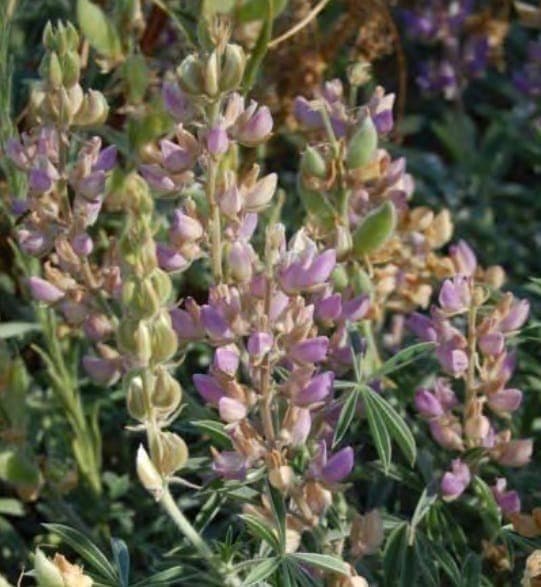
"All photos were taken by staff of the NRCS California Plant Materials Center, 2009-2010, except where noted." / Public domain, via Wikimedia Commons
Lupinus formosus: complete guide
Lupinus formosus
¿Quieres ver Lupinus formosus: complete guide en tu jardín?
1 minuto, sin tarjeta de crédito
Overview
Lupinus formosus, commonly known as the summer lupine, is an elegant perennial native to California, Oregon, and northwestern Mexico. A member of the Fabaceae family (pea family), this plant is valuable to ecosystems and sustainable gardens thanks to its nitrogen-fixing root system. The plant is renowned for its long-lasting, colorful flower spikes and its ability to thrive with minimal maintenance. Perfect for garden enthusiasts seeking beauty combined with sustainability.
Appearance and Bloom
Lupinus formosus grows to approximately 30-60 centimeters tall with feathery foliage characteristic of the genus. The plant produces dense, vertical flower spikes in purple, blue, pink, or white depending on the specific specimen. These flowers bloom throughout summer and early fall, from June to October in many regions. The flower spikes attract pollinators and create a visual spectacle in the garden landscape. Seed pods follow the flowers, adding interesting texture later in the season.
Ideal Location
Plant in full sun to part shade for optimal blooming. Lupinus formosus thrives with at least 6 hours of direct sunlight daily, though 8+ hours is ideal. This plant tolerates various light conditions and grows well in light, filtered shade. Ensure good air circulation to prevent fungal diseases. The plant is notably frost-hardy and can overwinter completely outdoors in temperate climates.
Soil
Lupinus formosus grows best in well-draining, moderately moist soil. The plant prefers reasonably fertile soil, though it need not be extremely rich. It self-seeds readily when conditions are favorable. Maintain a pH between neutral and slightly acidic. In heavy clay soils, we recommend amending the soil with sand or organic matter.
Watering
Water regularly at planting time until well established. Once grown, the plant tolerates dry periods reasonably well, though regular moisture benefits longer, fuller flower spikes. Ensure soil doesn't become waterlogged as this can lead to foot rot. Water at the root, not on foliage, to prevent fungal diseases.
Diseño gratis
¿Quieres ver Lupinus formosus: complete guide en tu jardín? Crea un diseño gratis ahora.
Pruning
Remove spent flower spikes regularly to encourage continued blooming and prevent excessive seed production. This significantly extends the flowering period. After blooming ends, cut the plant back to about 15 centimeters height. This stimulates new growth and maintains compact form. However, leave some seed heads for self-seeding in the following season.
Maintenance Calendar
Spring: Sow seed or plant seedlings once frost danger passes. Ensure regular watering.
Summer: Deadhead flowers for extended blooming. Adding fertilizer can be beneficial.
Fall: Leave some seed heads on the plant for self-seeding. Remove dead foliage.
Winter: In temperate climates, established plants can remain outdoors. Water minimally if dry.
Winter Hardiness
Lupinus formosus is reasonably winter-hardy, tolerating temperatures down to about -5 degrees Celsius, though in many areas it's treated as an annual or short-lived perennial. In warmer regions it grows as a short-lived perennial. Winter hardiness depends on local conditions, moisture levels, and snow cover. Provide well-draining soil in winter to prevent frost damage.
Companion Plants
Combine Lupinus formosus with other wildflowers and flowering plants such as gaillardia, coreopsis, and Indian blanket. The vertical flowers provide beautiful contrast with low-growing groundcovers like creeping phlox and creeping thyme. Also suitable are California poppies, lupines in other colors, and salvias. It works well in borders, wildflower meadows, and xeriscaping gardens.
Closing
Lupinus formosus is a beautiful, sustainable plant that brings light and color to your garden throughout summer. With its nitrogen-fixing roots and pollinator-attractive flowers, it's ideal for ecologically conscious gardeners. This summer bloomer thrives with minimal chemical inputs and brings a touch of wildness to your front yard. Available at garden centers specializing in native plants. Explore more guides on gardenworld.app and transform your garden into a sustainable flowering paradise.
¿Quieres ver Lupinus formosus: complete guide en tu jardín? Crea un diseño gratis ahora.
Sube una foto, elige un estilo y obtén un diseño fotorrealista con lista de plantas en menos de un minuto.
Más de 10.000 jardines diseñados
Sin tarjeta de crédito


Plantas similares
Tall Silky Lupine: complete guide
Lupinus elatus
Tall silky lupine is a fast-growing Californian perennial with silvery foliage and blue-purple flower spikes, ideal for a prairie-style garden.
Garfield Lupine: complete guide
Lupinus garfieldensis
The Garfield lupine is a rare, fast-growing American perennial for alkaline, dry grassland gardens, with striking blue flower spikes.
Lupinus elegans: complete guide
Lupinus elegans
Lupinus elegans, the elegant lupine, is a spectacular blooming plant from Mexico with blue flower spikes. Care, cultivation and garden use.