
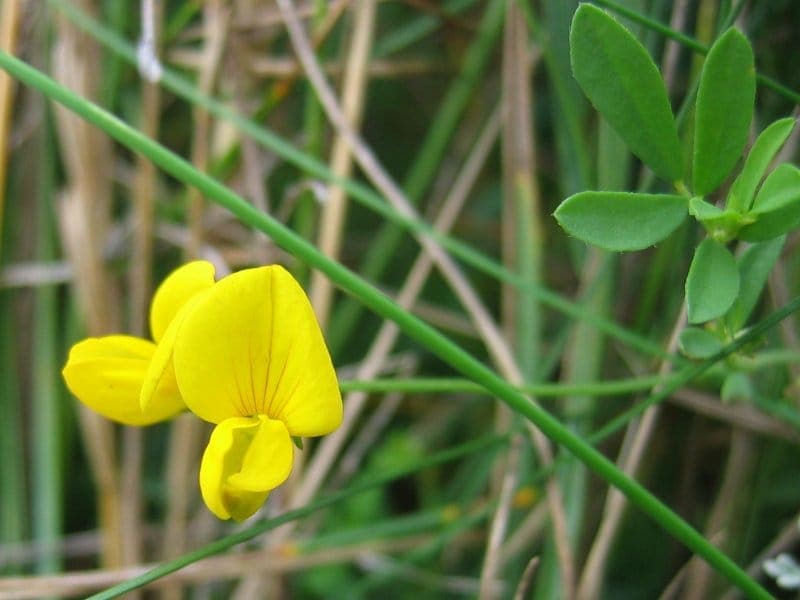
Kristian Peters -- Fabelfroh 16:12, 18 November 2006 (UTC) / CC BY-SA 3.0, via Wikimedia Commons
Lotus tenuis: complete guide to narrow-leaved bird's-foot trefoil
Lotus tenuis
¿Quieres ver Lotus tenuis: complete guide to narrow-leaved bird's-foot trefoil en tu jardín?
1 minuto, sin tarjeta de crédito
Overview of Lotus Tenuis
Lotus tenuis, commonly known as narrowleaf bird's-foot trefoil, is an excellent choice for gardens seeking a refined and elegant appearance. This slender legume belongs to the Fabaceae family and distinguishes itself through its fine, delicate leaflets and bright yellow flowers that bloom from June through August. The plant is native to Europe and North Africa, naturally occurring in moist environments such as meadows and field margins. In the UK and throughout northern Europe, Lotus tenuis is increasingly valued in landscape designs, wildflower meadows, and green corridors for its ecological significance and aesthetic appeal. For garden designers and homeowners, this plant proves invaluable because it provides not only visual interest but also serves as an important food source for bees, butterflies, and other pollinators.
The plant typically reaches heights of 30 to 45 centimeters and grows in a compact, bushy formation. The stems are slender and resilient, withstanding strong winds effectively. The leaves are remarkably narrow and fine, giving the plant a delicate appearance compared to other legumes. This fine texture makes Lotus tenuis ideal for creating visual contrast in gardens dominated by heavier, more robust plants. When in full bloom, the yellow flowers form spectacular waving carpets that are particularly photogenic when illuminated by morning sunlight.
Appearance and Flowering
The flowers of Lotus tenuis are small yet prolific, typically bright yellow in color, and usually arranged in clusters containing up to 15 blooms per stem. Each flower measures approximately 8 to 10 millimeters in diameter and exhibits the characteristic butterfly-shaped structure (papilionate) typical of legumes. The flowering period extends from June through August, peaking in July when the plant reaches full bloom. Following flowering, dark brown seeds develop in elongated pods approximately 10 to 15 millimeters long. These seed pods are visually interesting and provide the plant with additional appeal during late summer and autumn months.
The leaves are pinnately compound, consisting of numerous small leaflets that appear almost feathery in their arrangement. This fine, airy leaf structure allows sunlight to penetrate effectively through the plant, resulting in a very light and ethereal appearance. Upon close inspection, the leaflets reveal a matte gray-green coloration with subtle venation underneath. These details contribute to the plant's refined character.
Ideal Location and Light Requirements
Lotus tenuis requires abundant light to grow successfully and bloom optimally. For best results, position this plant in a location receiving at least 6 to 8 hours of direct sunlight daily. In northern European climates, this typically means south-facing or south-westerly exposures are most suitable. The plant can tolerate partial shade but will produce fewer flowers and develop a more open, sparse growth pattern.
Regarding wind tolerance, Lotus tenuis proves quite robust. The slender, resilient stems withstand strong winds without breaking or toppling easily. This makes the plant suitable for exposed positions such as coastal gardens or elevated sites with regular wind. However, the plant grows best in sheltered locations where wind is not consistently strong, as persistent harsh conditions can inhibit growth.
Soil Requirements and Ground Preparation
Lotus tenuis thrives in well-draining, moderately fertile soils. Heavy clay soils are suboptimal and can lead to root rot, particularly during wet winters. Sandy to sandy loam soils with a pH between 6.5 and 7.5 are optimal. If you have heavier soil, improve it by incorporating sand, grit, and well-rotted compost into the top 20 to 30 centimeters.
For planting, follow this procedure: Dig a hole approximately twice as wide as the plant's root ball and equally deep. Add a 5-centimeter layer of broken grit or shell to the hole's base for enhanced drainage. Mix the excavated soil with approximately 25 percent sand or grit and 15 percent well-rotted compost. Position the Lotus tenuis in this amended soil mixture and gently firm the soil around the root ball. Water thoroughly to establish good contact between roots and soil.
Diseño gratis
¿Quieres ver Lotus tenuis: complete guide to narrow-leaved bird's-foot trefoil en tu jardín? Crea un diseño gratis ahora.
Watering and Moisture Management
Once established, Lotus tenuis displays relatively good drought tolerance, though it performs better with regularly moist (but not waterlogged) soil. During the growing season (May through October), water when the top 3 centimeters of soil feel dry. In typical northern European summers, rainfall usually suffices, but during dry spells, supplementary watering becomes necessary.
Ensure water drains well and does not accumulate around the plant. Young seedlings require more consistent moisture than established plants. Once mature (after the second growing season), adult specimens require far less water and can endure extended dry periods. Avoid watering during hot afternoons, as this promotes excessive evaporation and can expose roots to temperature shock.
Pruning and Maintenance
Lotus tenuis maintenance requirements are minimal, though light pruning in spring can create a fuller, more compact form. In March, remove dead or damaged stems just above healthy buds before the growing season commences. This encourages greater side-branching and results in a denser plant with increased flowering. Avoid heavy pruning, as this weakens the plant.
Once established, the plant rarely experiences pest or disease problems. The nitrogen-fixing nature of legumes means artificial fertilization is typically unnecessary. Fallen leaves and spent flowers can remain in place, as they decompose and return nutrients to the soil.
Maintenance Calendar
May: Verify healthy plant development; add mulch around the base. June through August: Check weekly for moisture; water as needed. September through October: Collect seeds if desired for propagation. November through April: Minimal maintenance; remove only dead stems.
Winter Hardiness and Frost Protection
Lotus tenuis is fully winter-hardy throughout northern Europe and tolerates temperatures down to -15°C. This means that after the first growing season, no special winter protection is needed. The plant dies back to ground level in winter, which is normal behavior. New shoots emerge from the roots in spring. This winter hardiness makes Lotus tenuis ideal for permanent garden designs.
Severe frost periods may cause soil heaving around the plant base, particularly in wetter soils, potentially exposing roots and causing damage. To prevent this, apply a protective 5 to 8-centimeter mulch layer around the plant base in November/December, consisting of leaf mold, wood chips, or similar material. This layer insulates roots and maintains structural stability.
Companion Plants and Combinations
Lotus tenuis combines beautifully with other garden plants requiring similar growing conditions. These plants grow well together with:
Lavandula (lavender) - purple/mauve flowers create lovely contrast with Lotus tenuis yellow blooms. Geranium (cranesbill) - fine leaves on both plants create a refined, airy effect. Salvia (sage) - especially blue varieties provide excellent color contrast. Dryopteris (ferns) - add textural depth in shadier corners. Ornithopus (bird's-foot) - share similar growth habits and flowering times.
In landscape combinations, use Lotus tenuis as a mid-border plant or underplanting for taller shrubs. The yellow flowers provide cheerful accents in late spring and summer gardens. On gardenworld.app, explore these combinations with other plants to create perfect garden designs.
Conclusion
Lotus tenuis represents a valuable addition to contemporary garden designs, both aesthetically and ecologically. The plant nourishes pollinators, remains fully hardy, tolerates drought well, and requires minimal maintenance. Whether creating a wild, naturalistic garden or preferring more formal designs, Lotus tenuis will contribute to an attractive and sustainable planting scheme. For more inspiration and comprehensive garden designs featuring Lotus tenuis, visit gardenworld.app and discover how this elegant plant can transform your garden.
¿Quieres ver Lotus tenuis: complete guide to narrow-leaved bird's-foot trefoil en tu jardín? Crea un diseño gratis ahora.
Sube una foto, elige un estilo y obtén un diseño fotorrealista con lista de plantas en menos de un minuto.
Más de 10.000 jardines diseñados
Sin tarjeta de crédito


Plantas similares
Tall Silky Lupine: complete guide
Lupinus elatus
Tall silky lupine is a fast-growing Californian perennial with silvery foliage and blue-purple flower spikes, ideal for a prairie-style garden.
Garfield Lupine: complete guide
Lupinus garfieldensis
The Garfield lupine is a rare, fast-growing American perennial for alkaline, dry grassland gardens, with striking blue flower spikes.
Lupinus elegans: complete guide
Lupinus elegans
Lupinus elegans, the elegant lupine, is a spectacular blooming plant from Mexico with blue flower spikes. Care, cultivation and garden use.