
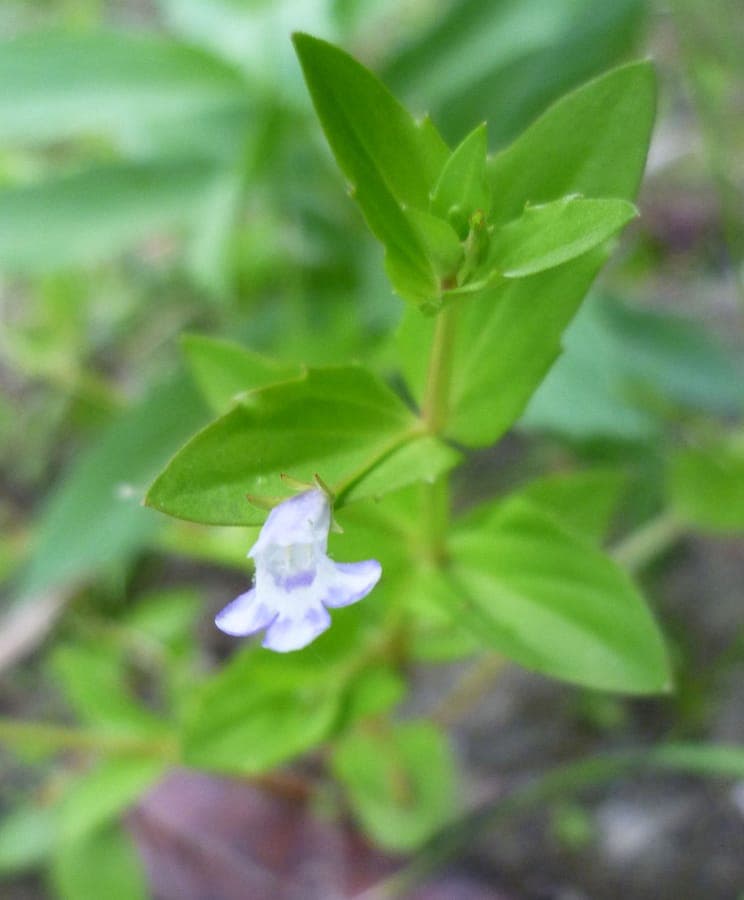
Thayne Tuason / CC BY-SA 4.0, via Wikimedia Commons
Lindernia dubia: complete guide
Lindernia dubia
¿Quieres ver Lindernia dubia: complete guide en tu jardín?
1 minuto, sin tarjeta de crédito
Overview
Lindernia dubia, commonly known as Moist-bank-pimpernel, is a charming wetland plant native to North America. This elegant species thrives in moist and aquatic habitats along stream banks and marshy areas. Belonging to the Linderniaceae family, it serves as a valuable addition to gardens with wet soils or aquatic landscapes. The plant is prized for its delicate flowers and remarkable ability to thrive in challenging, waterlogged conditions.
Lindernia dubia grows as a herbaceous and graceful plant that is ideal for aquatic garden designs. The plant typically reaches heights of 15-40 cm and exhibits a compact growth pattern. It is an excellent choice for garden and landscape developers working in wet or aquatic environments. Outside North America, this plant is less widely distributed but is gradually gaining popularity among enthusiasts of unusual water plants.
The plant is known for its preference for very wet ground conditions and is commonly found in wetlands, stream banks, and gardens with artificial ponds or water retention areas. If you are looking for an interesting plant for your water garden project, Lindernia dubia could be a perfect choice.
Appearance & Bloom
Lindernia dubia is a discreet yet elegantly appearing plant with slender stems and small, lance-shaped leaves. The leaves are arranged opposite to one another and display a fresh green color. During the growing season, delicate flowers appear in shades of purple to pink, creating one of the most attractive features of this plant.
Flowers typically appear during summer months (July to September) and provide color in aquatic gardens. Each flower is small but striking and attracts pollinators. After flowering, the plant produces seed pods that offer opportunities for natural seed dispersal or manual propagation.
The overall appearance of Lindernia dubia is compact and neat, making it suitable for smaller aquatic spaces and container gardens. The plant typically reaches heights of 15-30 cm, making it ideal for front-row plantings in water gardens or along the edges of small ponds.
Ideal Location
Lindernia dubia thrives best in locations with abundant moisture. The plant requires little direct sunlight - in fact, it grows better in partial shade to shaded conditions. This makes it particularly useful for such difficult spots in your garden where other plants perform poorly.
Place the plant in areas where soil retains considerable moisture, such as near water bodies, in marsh zones, or in gardens that regularly experience water seepage or stream flow. In warmer climates, the plant may prefer shade during the hottest hours of the day. Ensure good water access - the plant will not function well in dry climates.
Soil
Lindernia dubia prefers wet, muddy soils with high moisture content. The ideal soil is typically clayey to sandy with organic matter. The pH can range between neutral and slightly acidic (pH 6.0-7.5).
Ensure the soil does not dry out. The plant performs best in permanently wet or even aquatic soils. If planting in containers, use aquatic potting mix or wet garden soil, not standard dry potting mix. Adding extra organic matter helps retain moisture.
Diseño gratis
¿Quieres ver Lindernia dubia: complete guide en tu jardín? Crea un diseño gratis ahora.
Watering
Regular watering is essential for Lindernia dubia. Ensure the soil remains moist - actually, it should be more wet than simply moist. During dry periods, you must water regularly, possibly daily if the weather is very warm.
The best approach is to place the plant directly in water, such as in a marsh or at the edge of a pond. If planting in normal garden soil, provide a water reservoir or irrigation system that delivers water regularly. For container plants, use a water tray to ensure constant water availability.
Pruning
Lindernia dubia requires minimal pruning. Remove dead or yellowed leaves as you notice them. This helps keep the plant healthy and encourages new growth. If the plant becomes too tall and leggy, you can gently trim the tips to encourage more compact growth.
The plant will naturally reorganize itself into an attractive shape, so heavy pruning is generally unnecessary. Remove spent flowers after blooming if you wish to prevent seed formation or concentrate the plant's energy on foliage growth.
Maintenance Calendar
January-March: Observe growth; remove dead plant material.
April-May: Plant new specimens; ensure good moisture supply.
June-July: Monitor water levels; expect blooming to begin.
August-September: Peak flowering; harvest seed if desired.
October-November: Reduce growth as temperatures decline.
December: No special care; plant remains dormant in cold areas.
Winter Hardiness
Lindernia dubia is frost-sensitive. In climates colder than USDA zone 9 (minimum temperatures above -6°C), consider the plant as annual or bring it indoors for winter. The plant can suffer frost damage and cannot survive outdoors in consistently freezing regions.
In temperate climates, the plant may survive with minimal snow cover, but consistent freezing will be fatal. If you live in a cold climate, consider growing in pots so you can relocate to a protected location or indoors as frost periods approach.
Companion Plants
Lindernia dubia grows well alongside other water plants. Try these combinations:
- Carex sedges (for texture and height contrast)
- Iris laevigata (for larger flowers)
- Pontederia cordata (for structure)
- Acorus gramineus (for foliage detail)
- Small sedges and cattails for a natural landscaping effect
Ensure companion plants share the same preference for wet soils.
Closing Thoughts
Lindernia dubia offers a unique opportunity for garden enthusiasts wishing to experiment with aquatic and wetland landscapes. With its charming purple flowers and adaptation to wet soils, this plant enriches water gardens. Through gardenworld.app, you can discover more ideas for integrating water plants into your garden design. Whether you plan to create a pond, wetland, or moist corner, Lindernia dubia certainly deserves consideration.
This interesting plant is available from specialized nurseries and water plant suppliers. Place it in your aquatic garden and enjoy its elegant flowers throughout the growing season! Through gardenworld.app, you can integrate this plant into your overall garden design.
¿Quieres ver Lindernia dubia: complete guide en tu jardín? Crea un diseño gratis ahora.
Sube una foto, elige un estilo y obtén un diseño fotorrealista con lista de plantas en menos de un minuto.
Más de 10.000 jardines diseñados
Sin tarjeta de crédito

