
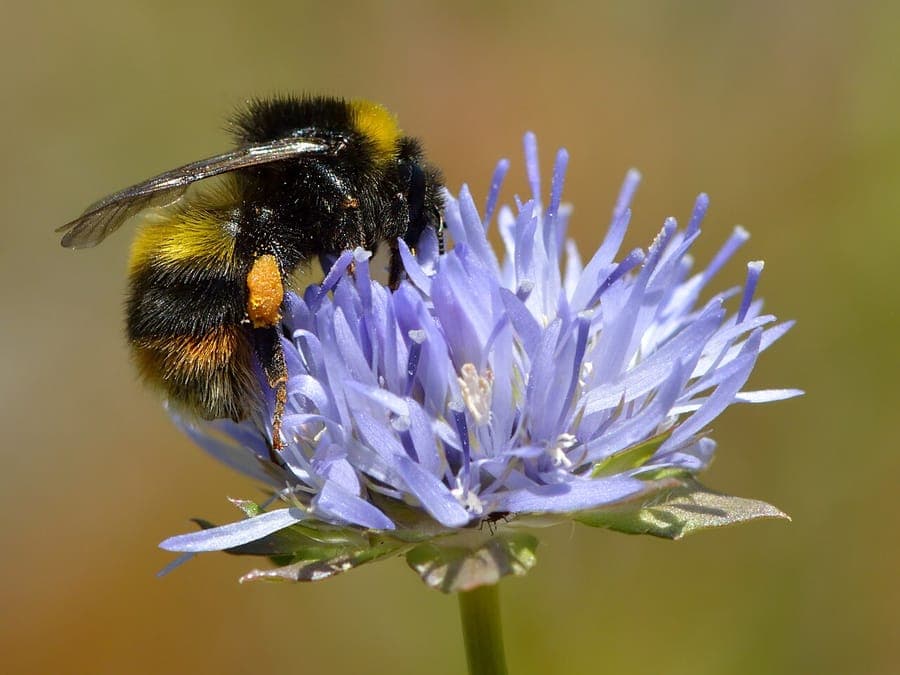
Ivar Leidus / CC BY-SA 4.0, via Wikimedia Commons
Sheep's-bit (Jasione montana): complete guide
Jasione montana
¿Quieres ver Sheep's-bit (Jasione montana): complete guide en tu jardín?
1 minuto, sin tarjeta de crédito
Overview
Sheep's-bit, scientifically Jasione montana, is a charming alpine plant native to regions from Europe to Northwest Africa. This biennial to perennial plant is celebrated for its exquisite, blue pompon-like flower clusters that grace gardens from June through July. Sheep's-bit is an ideal choice for rock gardens, gravel beds, and alpine plant combinations, thriving in poor, dry soils where many other plants struggle. With its compact growth habit and extended blooming period, this plant is a workhorse for those seeking low-maintenance gardens. Explore gardenworld.app to create garden designs that perfectly incorporate alpine and mountain plants like Sheep's-bit.
Appearance & Flowering
Sheep's-bit grows as a compact, tightly-structured plant, typically reaching 20-40 cm in height. The leaves are narrow, linear, and form a dense basal rosette. From May through August, thin, branched stems produce remarkable, spherical flower clusters (pompon-shaped), each consisting of countless tiny, star-shaped florets in beautiful sky-blue to blue tones. The flowers are highly attractive to bees and butterflies, enriching your garden's pollinator population. After flowering, the plant produces seed that you can collect.
Ideal Location
Sheep's-bit thrives in full sun - at least 6 hours of direct sunlight daily. The plant can tolerate light shade but will produce fewer blooms. It's perfectly suited for exposed rocky locations, between stones, in gravel beds, and on sunny slopes. An open, airy growing location prevents fungal issues and enhances the plant's compact appearance.
Soil & Drainage
Well-draining soil is absolutely essential for Sheep's-bit success. Heavy, waterlogged soils spell disaster for this plant. Provide loose, gritty soil enriched with sand, gravel, or perlite. In in-ground gardens, amend soil by incorporating fine stone or sand. In containers, this plant excels - use potting soil blended with extra perlite and sand. A pH between 6.0 and 7.0 is ideal. The plant thrives even in nutrient-poor soils.
Diseño gratis
¿Quieres ver Sheep's-bit (Jasione montana): complete guide en tu jardín? Crea un diseño gratis ahora.
Watering
Once established, Sheep's-bit is highly drought-tolerant and requires minimal watering. During the growing season (May to October), water when the top 1-2 cm of soil feels dry. Ensure water drains freely and the plant never stays constantly wet. In winter, especially during wet periods, minimal water is needed. Excessive moisture is the primary threat to this alpine plant.
Pruning & Shaping
Pruning isn't necessary, but you can remove spent flower clusters after blooming for a tidier appearance. Remove any dead or yellowed foliage as you notice it. If you wish to collect seeds, leave several flower clusters to fully ripen by September. If your plant becomes leggy with age, pruning can help, but fresh seed sowing is often a better approach.
Maintenance Calendar
January-March: Check drainage; no interventions needed. April-May: Sow seed if desired; plant out. June-September: Enjoy abundant blooms; remove spent flowers. October-December: Collect seed; store dry.
Winter Hardiness
Sheep's-bit is winter-hardy to USDA zone 4 (-34°C) and thrives in all European gardens, including the Netherlands, Belgium, and France. The plant easily survives harsh winters, though wet winters can cause considerable damage.
Propagation
Sheep's-bit self-seeds readily under favorable conditions. You can sow seed directly into garden beds in autumn or early spring. Seeds must not be deeply buried; they germinate best with light exposure. Sow in gritty, dry soil for optimal results. Seedlings emerge in spring and flower the same summer year (as a biennial) or the following year.
Companion Plants
Blue Sheep's-bit harmonizes beautifully with other alpine and mountain plants. Pair with pink Thrift (Armeria), white stone-cress, yellow alyssum, silvery foliage (Artemisia), or red sedums. In gravel beds and rockeries, this plant becomes part of a fascinating tapestry. It also grows superbly in containers alongside other alpine miniatures.
Final Thoughts
Sheep's-bit is a jewel among alpine plants, perfect for those seeking drought-tolerant, low-maintenance gardens. With its gorgeous blue pompon flowers and compact growth, it's a true showstopper. Discover with gardenworld.app how to maximize Sheep's-bit in your garden design - from rock gardens to gravel beds to alpine compositions. This plant demonstrates that simplicity can mean excellence.
¿Quieres ver Sheep's-bit (Jasione montana): complete guide en tu jardín? Crea un diseño gratis ahora.
Sube una foto, elige un estilo y obtén un diseño fotorrealista con lista de plantas en menos de un minuto.
Más de 10.000 jardines diseñados
Sin tarjeta de crédito


Plantas similares
Campanula alaskana: complete guide
Campanula alaskana
Discover Campanula alaskana, the delicate alpine bellflower from Alaska. Growing tips, hardy requirements, and design ideas for rock gardens and alpine troughs.
Campanula scouleri: complete guide
Campanula scouleri
Discover Campanula scouleri, the refined Pacific bellflower. Growing tips, care requirements, and design ideas for woodland and mountain gardens.
Doublehorn calicoflower: complete guide
Downingia bicornuta
All about Downingia bicornuta - the doublehorn calicoflower: sowing, location, bloom and care for this rare annual in your garden.