
Sten Porse / CC BY-SA 3.0, via Wikimedia Commons
Indigofera heterantha: complete guide
Indigofera heterantha
¿Quieres ver Indigofera heterantha: complete guide en tu jardín?
1 minuto, sin tarjeta de crédito
Overview
Indigofera heterantha, known as Himalayan Indigo, is a beautiful shrub native to mountainous regions from Afghanistan through the Himalayas. This plant is a true summer bloomer flowering continuously from June to October with tiny pink-purple flowers.
It is a robust, low-maintenance shrub that grows well in Dutch gardens. Despite its Himalayan origin, it is adequately winter-hardy and requires minimal special care once established.
Appearance and bloom
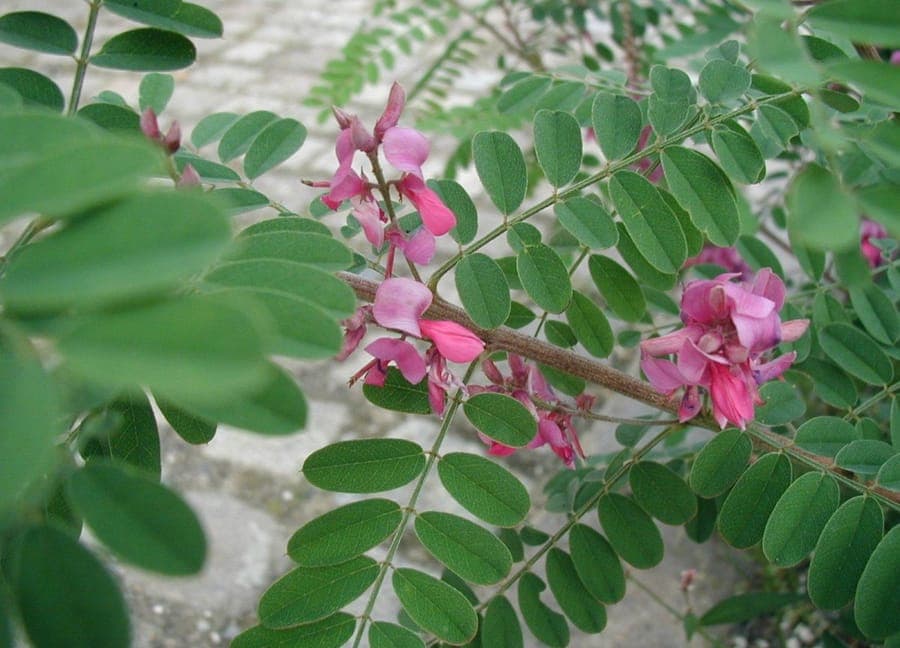
Himalayan Indigo grows as a graceful, elegantly branched shrub reaching approximately 1.5 to 2.5 meters tall. The leaves are pinnate (compound), finely branched, and create a light, almost filigree appearance.
The flowers are the highlight: tiny, approximately 0.5-1 centimeter long pink-purple flowers in long, dense clusters about 10-15 centimeters long. These flowers appear from June to October in great numbers, keeping the plant almost continuously colored.
Ideal location
Himalayan Indigo thrives best in full sun. Minimum 6 to 8 hours of direct sunlight daily provides best growth and flowering. Partial shade works but results in fewer flowers and looser growth.
Shade is not an option - your plant will become leggy without strong sun. Choose a sunny spot for maximum flower effect.
Soil
Prefers well-drained, not overly rich soil. Sand to sandy loam is ideal. This plant tolerates poor, even somewhat dry soil better than excessively fertile soil.
PH preference: neutral to slightly acidic (6.0-7.5). Excessive fertilization causes excessive growth and fewer flowers - so skip the artificial fertilizer.
Watering
Regular watering in the first year for good establishment. Once established, this plant tolerates moderate dryness. Regular water during very dry summers helps, but this plant is not a water waster.
In containers: keep moderately moist. In ground: allow top layer to dry between waterings.
Diseño gratis
¿Quieres ver Indigofera heterantha: complete guide en tu jardín? Crea un diseño gratis ahora.
Pruning
Pruning is important for shape and flowering. Prune in early spring (March) before new growth appears. Cut branches back to approximately half height - this encourages branching and denser growth.
After flowering (October-November) you can remove spent clusters, but this is not necessary. Regular light pruning keeps the plant compact and floriferous.
Maintenance calendar
March: Extensive pruning for shape and growth. April-May: Young growth appears, no interventions needed. June-October: Flowering, occasionally deadhead spent flowers. November-February: Minimal interventions, wait for spring.
Winter hardiness
Winter-hardy to approximately -12 to -15 degrees Celsius. This means in the Netherlands, this plant can usually overwinter outdoors without protection.
During very cold winters (below -15), above-ground growth may die back, but the root system usually survives and shoots again in spring. In southern regions no problem.
Companion plants
Combine with other summer-flowering shrubs: lavender, sun roses, sage. This indigo works well with grasses and other non-blooming structure plants.
Underplanting: ground covers like Campanula, Ajuga. The pink-purple color shines beautifully among yellow-green foliage plants.
Final thoughts
Himalayan Indigo is an incredibly easy and rewarding shrub for Dutch gardens. Plant it in full sun, prune in spring, and enjoy months of continuous pink-purple flowers until October. No fussiness, many flowers, bird-friendly.
Available at most garden centers. Use gardenworld.app to determine where this summer bloomer fits best in your front garden design.
¿Quieres ver Indigofera heterantha: complete guide en tu jardín? Crea un diseño gratis ahora.
Sube una foto, elige un estilo y obtén un diseño fotorrealista con lista de plantas en menos de un minuto.
Más de 10.000 jardines diseñados
Sin tarjeta de crédito


Plantas similares
Tall Silky Lupine: complete guide
Lupinus elatus
Tall silky lupine is a fast-growing Californian perennial with silvery foliage and blue-purple flower spikes, ideal for a prairie-style garden.
Garfield Lupine: complete guide
Lupinus garfieldensis
The Garfield lupine is a rare, fast-growing American perennial for alkaline, dry grassland gardens, with striking blue flower spikes.
Lupinus elegans: complete guide
Lupinus elegans
Lupinus elegans, the elegant lupine, is a spectacular blooming plant from Mexico with blue flower spikes. Care, cultivation and garden use.