
Sten Porse / CC BY-SA 3.0, via Wikimedia Commons
Hypericum hircinum: complete guide
Hypericum hircinum
¿Quieres ver Hypericum hircinum: complete guide en tu jardín?
1 minuto, sin tarjeta de crédito
Overview
Hypericum hircinum, commonly known as "Stinking tutsan", is a Mediterranean shrub native to Southern Europe, North Africa, and the Middle East. This aromatic plant derives its name from the distinctive scent of its leaves. It is an excellent choice for dry, warm gardens where other plants struggle.
Appearance & bloom
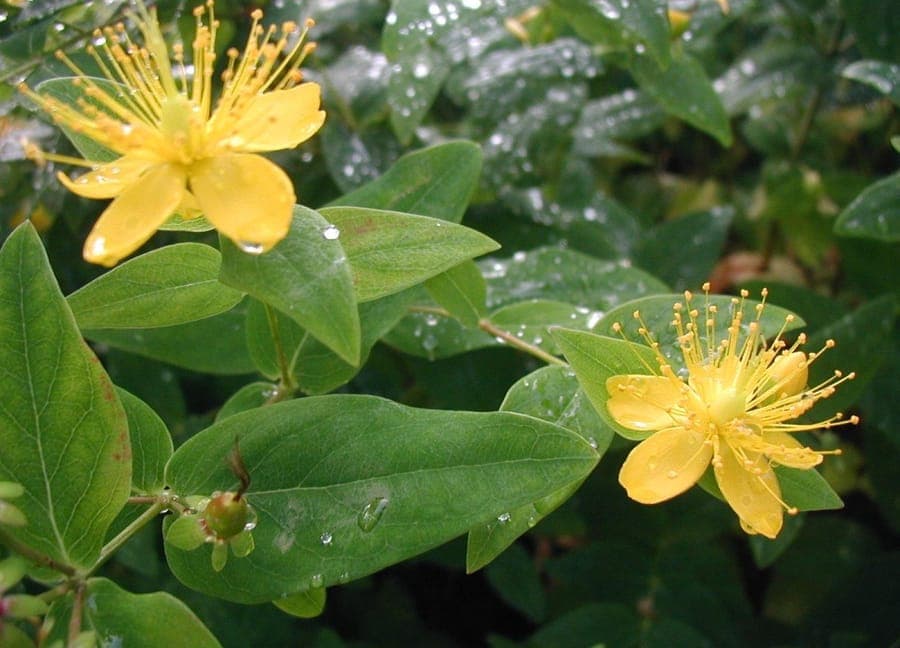
This shrub reaches a height of approximately 1-1.5 meters and grows compactly. The leaves are opposite, green, and fragrant. Throughout the summer months (May through August), numerous bright yellow flowers appear, featuring prominent golden stamens. After flowering, decorative red fruits develop, gradually turning black as they mature.
Ideal location
Hypericum hircinum thrives in full sun. Ensure at least 6 hours of direct sunlight daily. The plant is extremely tolerant of windy situations and thrives in exposed locations.
Soil
This Mediterranean plant is not fussy about soil composition. It grows in both acidic (pH 7.5) and neutral to alkaline soils (pH 8). Well-draining, moderately fertile soil is ideal. Avoid waterlogging - the plant tolerates dry conditions better than wet ones.
Watering
Once established, Hypericum hircinum is highly drought tolerant. Water regularly during the growing season, but allow soil to dry between waterings. Mature plants require minimal care, especially in climates with regular rainfall.
Diseño gratis
¿Quieres ver Hypericum hircinum: complete guide en tu jardín? Crea un diseño gratis ahora.
Pruning
Perform annual maintenance pruning in spring (March-April). Remove dead wood and shape the plant as desired. This stimulates compact growth and abundant flowering. The plant tolerates heavy pruning well.
Maintenance calendar
- March-April: Spring pruning and shaping
- May-August: Peak flowering period, regular watering
- August-October: Fruits develop and color
- October-November: Autumn color, reduce watering
- December-February: Dormancy period
Winter hardiness
Hypericum hircinum is hardy in mixed zones and can tolerate temperatures down to -5 to 0 degrees Celsius. In severe winters or very cold regions, protect with mulch. In northern climates, consider container cultivation and overwintering indoors.
Companion plants
Combine Hypericum hircinum with other Mediterranean plants that enjoy full sun and dry conditions. Possible companions include lavender, rosemary, rock rose, sage, and other xerophytic species. Also works beautifully as a specimen plant in Mediterranean gardens.
Closing
Hypericum hircinum offers an unforgettable combination of practical benefits and landscape beauty. The plant demands minimal care while delivering yellow flowers and red fruits season after season. Perfect for those who prefer low-maintenance garden designs. Visit gardenworld.app/en to discover more Mediterranean planting ideas for your outdoor space.
¿Quieres ver Hypericum hircinum: complete guide en tu jardín? Crea un diseño gratis ahora.
Sube una foto, elige un estilo y obtén un diseño fotorrealista con lista de plantas en menos de un minuto.
Más de 10.000 jardines diseñados
Sin tarjeta de crédito


Plantas similares
Hypericum coris: complete guide
Hypericum coris
Complete guide to Hypericum coris, the heath-leaved St John's wort from the Alps: location, soil, watering and rock gardens.
St. Peter's-wort: complete guide
Hypericum crux-andreae
St. Peter's-wort is a low-growing North American shrub with yellow flowers, ideal for acidic, damp soil and naturalistic borders.
Hypericum densiflorum: complete guide
Hypericum densiflorum
Hypericum densiflorum is a dense-flowering American shrub with bright yellow summer blooms, well suited to damp gardens, rain gardens, and pollinator borders.