
663highland / CC BY 2.5, via Wikimedia Commons
Barley: complete guide
Hordeum distichon
¿Quieres ver Barley: complete guide en tu jardín?
1 minuto, sin tarjeta de crédito
Overview
Barley (Hordeum distichon), also known as two-rowed barley, is an ancient cereal crop with origins in the Middle East. This versatile grain is cultivated worldwide for human consumption, beer production, and animal feed. In the home garden, barley is a fascinating choice for hobby farmers and food producers wanting to grow their own staples.
Appearance and bloom
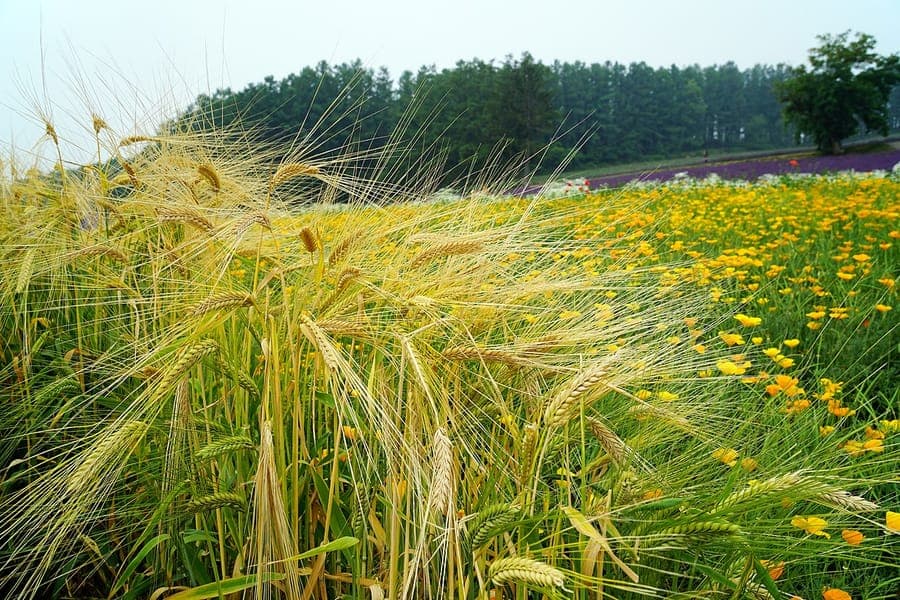
Barley grows as an upright grass with slender, linear leaves. Plants reach 60 to 100 cm tall and produce characteristic ears (flower spikes) arranged in two rows. The ears transition from green to golden-yellow, ripening to deep brown. Flowering occurs in May and June, with harvest typically following in August-September.
Ideal location
Barley thrives in full sun locations receiving 6-8 hours of direct light daily. The plant is highly flexible regarding growing conditions and tolerates virtually all climates. In cool to cold regions, barley is frost-hardy and can be sown in autumn as winter barley.
Soil
Barley is not particular about soil composition and grows well in a wide range of soil types. Optimal soil is well-draining, moderately fertile, and slightly alkaline to neutral. In heavy clay soils, adding compost improves drainage. Barley can thrive on poorer soils, making it ideal for marginal lands.
Watering
Barley is a relatively drought-tolerant crop requiring moderate water. During growth (April-May), consistent moisture helps, but established plants are quite water-efficient. Excess moisture can promote disease and lodging. Natural rainfall usually suffices in temperate climates.
Diseño gratis
¿Quieres ver Barley: complete guide en tu jardín? Crea un diseño gratis ahora.
Pruning
Barley requires no pruning. The plant grows naturally upright with minimal intervention needed. For heavier varieties prone to lodging, wider spacing promotes air circulation and reduces collapse.
Maintenance calendar
April: Sow spring barley in April; winter barley in autumn. May-June: Monitor for weeds and disease. July: Rapid growth period. August-September: Harvest when ears turn golden-brown and feel dry. October: Prepare for autumn sowing of winter barley.
Winter hardiness
Barley is extremely winter-hardy, tolerating temperatures down to -15C. Winter barley (sown October-November) overwinters well in temperate climates, making it ideal for northern regions and high elevations.
Companion plants
Barley grows well alongside other cereals like oats and rye. In intercropping systems, barley thrives near legumes such as beans, which fix atmospheric nitrogen. Avoid dense planting with strong competitors like corn.
Closing remarks
Barley is a reliable and rewarding grain for garden and smallholder. Whether you brew craft beer, grow your own malt barley, or simply enjoy watching ripening ears wave in the wind, barley offers both satisfaction and practical yield. With minimal inputs, this ancient grain still thrives proudly in gardens everywhere.
Find barley seed at garden centers like gardenworld.app for reliable heritage varieties and expert guidance on cultivation.
¿Quieres ver Barley: complete guide en tu jardín? Crea un diseño gratis ahora.
Sube una foto, elige un estilo y obtén un diseño fotorrealista con lista de plantas en menos de un minuto.
Más de 10.000 jardines diseñados
Sin tarjeta de crédito


Plantas similares
Sporobolus pungens: complete guide
Sporobolus pungens
Sporobolus pungens is a stoloniferous Mediterranean coastal grass with outstanding salt and drought tolerance, perfect for seaside and dry gardens.
Mediterranean aegilops: complete guide
Aegilops biuncialis
Everything about Aegilops biuncialis, a Mediterranean annual grass with ornamental spikes and outstanding drought tolerance for dry gardens.
Silver bluestem: complete guide
Bothriochloa saccharoides
Full guide to Bothriochloa saccharoides (silver bluestem): site, soil, watering, winter hardiness, pruning, and garden companions.