
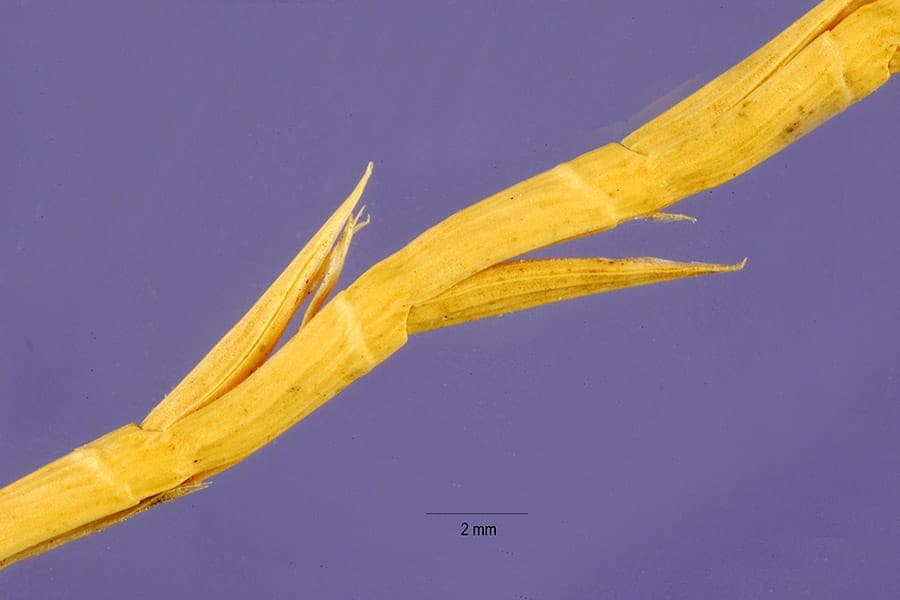
Jose Hernandez / Public domain, via Wikimedia Commons
Hainardia cylindrica: complete guide
Hainardia cylindrica
¿Quieres ver Hainardia cylindrica: complete guide en tu jardín?
1 minuto, sin tarjeta de crédito
Overview
Hainardia cylindrica, commonly known as common barb grass or one-glume hard grass, is an annual or short-lived perennial grass species from the Poaceae family. Native to the Mediterranean region, this plant offers an excellent option for gardeners seeking a unique, climate-resilient addition to their landscape. The grass is valued for its fine, cylindrical flower spikes that appear from April through June, providing visual interest across the spring and early summer months.
The ornamental value of Hainardia cylindrica extends beyond its flowers to its elegant growth habit and delicate leaf texture. The plant achieves a modest height, making it perfect for creating low-level decorative elements in borders or rock gardens. For garden enthusiasts using gardenworld.app, this is a plant that offers both practical benefits and aesthetic appeal.
Appearance and bloom cycle
Hainardia cylindrica distinguishes itself through its fine, hair-like leaves that grow in loose clusters. The plant typically reaches heights between 20 and 40 centimeters, depending on growing conditions and regional climate. The flower spikes are particularly distinctive: narrow, cylinder-shaped inflorescences that are green in color and look stunning when backlit by sunlight.
The flowering period extends from April through June, meaning you can enjoy this subtle beauty from spring through early summer. After the flower spikes emerge, the plant changes in tone, with the foliage often developing a soft grayish-golden hue that intensifies further through autumn. This makes Hainardia cylindrica an excellent seasonal element in your garden plan.
Ideal location
Hainardia cylindrica thrives best in locations with full sun exposure. The plant requires at least six to eight hours of direct sunlight daily to reach its optimal growth potential. This makes it ideal for sunny borders, pathway edges, or the margins of sunny walkways.
The plant thrives in gardens with Mediterranean climates, but can also grow in temperate zones provided you avoid excess moisture. In the UK and Northern Europe, suitable spots include sunny corners of front or back gardens, especially in areas where other plants struggle. Avoid shaded locations, as the plant will not grow well and becomes susceptible to diseases.
For the best results, position Hainardia cylindrica in an open area with good air circulation. This keeps the plant healthy and reduces the risk of fungal infections.
Soil requirements
One of Hainardia cylindrica's principal advantages is its lack of fussiness about soil conditions. The plant prefers well-drained soil and can even thrive in poor, sandy substrates. This makes it ideal for gardeners struggling with difficult soil types.
The plant tolerates slightly acidic to neutral pH levels (pH 6.0 to 7.0), though it can also succeed in slightly alkaline soils. If you have heavy clay soil, incorporate sand or garden compost to improve drainage. The plant dislikes waterlogging, so ensure water does not pool around the roots.
In gardens designed with gardenworld.app projects, Hainardia cylindrica works well in rock gardens, raised beds, or containers, where drainage can be controlled. Mineral-based soils actually perform better than organic-rich ones, as the plant appreciates drier conditions.
Diseño gratis
¿Quieres ver Hainardia cylindrica: complete guide en tu jardín? Crea un diseño gratis ahora.
Watering
Hainardia cylindrica is drought-tolerant once established. After planting, water regularly until the plant is well-rooted (approximately four to six weeks). After that point, you can significantly reduce watering frequency.
During the growing season (spring and early summer), provide water when the top layer of soil feels dry to the touch. In summer, especially during dry spells, you can increase watering slightly, but watch carefully for waterlogging. In winter, the plant requires minimal moisture.
Basic rule: better underwatered than overwatered. This grass is adapted to dry conditions and will rot more quickly from excess moisture than from drought. In wetter climates like the UK, you may need to water very little outside the main growing season.
Pruning
Hainardia cylindrica requires minimal pruning. In late winter or early spring, you can remove dead or damaged growth. If you want to maintain your plant's complete beauty, you can also carefully remove faded flower spikes.
Since this is an annual grass in many climates, it naturally dies back in autumn after seed production. In warmer regions, it may persist for several years, in which case you can prune back damaged growth in early spring.
You can leave seed heads standing for birds, or remove them if you want to prevent self-seeding. The grass itself grows in a neat, compact manner and requires no regular maintenance.
Maintenance calendar
March to April: Prepare planting areas, sow seed or plant seedlings, provide initial watering. May to June: Regular watering, monitor for diseases, enjoy the bloom. July to August: Minimal watering, removal of dead flower parts. September to October: Allow seed production, plant will gradually decline if annual. November to February: Winter dormancy, minimal maintenance, remove dead material as needed.
Winter hardiness
Hainardia cylindrica is reasonably hardy in temperate European climates, including the UK and Northern Europe. The plant can withstand temperatures down to approximately minus 5 degrees Celsius, though younger plants warrant more cautious handling.
In very cold winters (below minus 10 degrees), the plant may suffer damage. Protecting the base with dry mulch or straw can help. If you live in an extremely cold region, it's better to treat Hainardia cylindrica as an annual or grow it in containers that you can move indoors.
The plant is much more frost-hardy when planted in well-drained soil. Waterlogging combined with freezing temperatures poses the greatest risk.
Companion plants
Hainardia cylindrica pairs beautifully with other drought-tolerant species. Consider lavender, Russian sage, or other Mediterranean herbs as neighboring plants. The fine texture of the grass contrasts nicely with structural foliage plants or succulents.
In rock gardens, it grows well alongside saxifrage, Sedum species, and other alpine plants. In borders, you can combine it with other ornamental grasses such as Stipa or Festuca varieties.
Importantly, all these companion plants should share the same moisture requirements - essentially bone-dry conditions. Avoid pairing with plants that need regular water, as Hainardia cylindrica will suffer.
Closing remarks
Hainardia cylindrica is an excellent choice for gardeners seeking sustainable, low-maintenance garden designs. With its elegant appearance, modest maintenance requirements, and drought tolerance, this is a plant that deserves a place in many modern gardens. Whether you want to create a Mediterranean accent or simply seek an interesting structural plant, Hainardia cylindrica delivers.
Looking for more inspiration for drought-tolerant gardens? Visit gardenworld.app for personalized garden designs that showcase this beautiful grass. You can often find seeds or small plants at major garden centers. With gardenworld.app, you can discover how this grass fits perfectly into your garden plan.
¿Quieres ver Hainardia cylindrica: complete guide en tu jardín? Crea un diseño gratis ahora.
Sube una foto, elige un estilo y obtén un diseño fotorrealista con lista de plantas en menos de un minuto.
Más de 10.000 jardines diseñados
Sin tarjeta de crédito


Plantas similares
Sporobolus pungens: complete guide
Sporobolus pungens
Sporobolus pungens is a stoloniferous Mediterranean coastal grass with outstanding salt and drought tolerance, perfect for seaside and dry gardens.
Mediterranean aegilops: complete guide
Aegilops biuncialis
Everything about Aegilops biuncialis, a Mediterranean annual grass with ornamental spikes and outstanding drought tolerance for dry gardens.
Silver bluestem: complete guide
Bothriochloa saccharoides
Full guide to Bothriochloa saccharoides (silver bluestem): site, soil, watering, winter hardiness, pruning, and garden companions.