
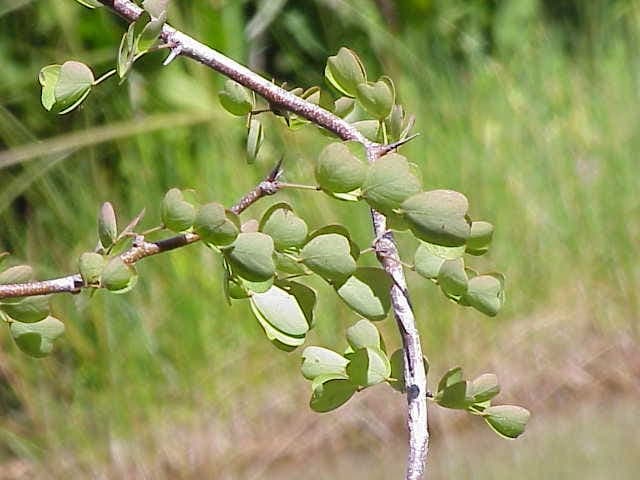
Kurt Stüber [1] / CC BY-SA 3.0, via Wikimedia Commons
Haematoxylum campechianum: complete guide for logwood
Haematoxylum campechianum
¿Quieres ver Haematoxylum campechianum: complete guide for logwood en tu jardín?
1 minuto, sin tarjeta de crédito
Overview
Haematoxylum campechianum, commonly known as logwood or Campeche wood, is a historically significant tree from Central America. This tree is renowned for the red and purple dyes extracted from the heartwood, which for centuries was one of the primary colorants used in textile dyeing worldwide.
Originally from Mexico and Central America, especially the Yucatan region, this tree is now naturalized in tropical zones around the world. The tree had a colossal impact on the global textile industry and is considered one of the most economically important woods in history.
Appearance and Bloom
Haematoxylum campechianum grows as a compact tree, usually 5 to 10 meters tall with a broad crown and dense foliage. The trunk is relatively thick with grey-brown bark. The wood is extremely dense and valuable.
The leaves are small, compound, and finely textured, giving the canopy a refined, delicate appearance. The flowers appear in spring in yellow clusters, which are striking against the green foliage. The flowers are fragrant and attract pollinators.
After flowering, light brown pods develop, roughly 5 to 6 centimeters long. The wood itself, especially the heartwood, is dark red to almost black with a characteristic purple sheen. This wood yields the famous dye.
Ideal Location
Haematoxylum campechianum requires a fully sunny location with at least 8 hours of direct sunlight daily. The tree grows best in warm tropical to subtropical climate. In temperate zones, the tree can only survive outdoors in very protected, warm locations.
The tree is reasonably drought-tolerant once well-established. Protection from strong winds is helpful, though the tree is fairly sturdy.
Soil Requirements
Haematoxylum campechianum grows best in well-draining soil, preferably slightly sandy. The tree tolerates various soil types as long as drainage is good. Water stagnation must be avoided.
The tree thrives even in poor or dry soils. A pH of 6.0 to 7.5 is ideal. In container cultivation, you can use sandy potting soil with extra perlite for optimal drainage.
Watering
During the first year after planting, Haematoxylum campechianum requires regular watering until the tree is well-established. Once established, the tree is very drought-tolerant and requires limited additional water.
Ensure the soil feels slightly moist but not waterlogged. In summer you need to water more; in winter, less. Excessive water can cause root rot.
Pruning
Pruning is rarely necessary because the tree naturally forms a good shape. You can remove damaged or dead branches throughout the year. Allow the tree to grow naturally for the best appearance.
In container cultivation, you can prune the tree to a more manageable size if desired. Avoid aggressive pruning that removes too much of the crown.
Diseño gratis
¿Quieres ver Haematoxylum campechianum: complete guide for logwood en tu jardín? Crea un diseño gratis ahora.
Maintenance Calendar
Spring (March-May): Check moisture levels, begin regular watering, apply fertilizer. Summer (June-August): Water regularly during dry periods, enjoy flowering. Autumn (September-October): Reduce watering and fertilizer. Winter (November-February): Minimal maintenance, protect from frost.
Winter Hardiness
Haematoxylum campechianum is not winter-hardy in temperate climates. The tree cannot survive at temperatures below 5-8 degrees Celsius. In the Netherlands and most European countries, you must grow this tree in containers and bring them indoors for winter.
In very warm protected microclimates along the southern coast, it might be possible to keep it outdoors, but greenhouse treatment is recommended. Protect against frost with burlap or plant cloths if you wish to take the risk.
Historical Significance and Dye Use
Haematoxylum campechianum is primarily famous for the blue and red dyes extracted from the heartwood. This wood dye, called logwood or bluewood, was used for centuries to produce dark blue, purple, and black colors in textiles.
The wood mills in Campeche, Mexico became world-famous. Pirates and merchants filled entire ships with this wood to transport to Europe and Asia. It was so valuable that its export was heavily controlled and protected by crowns.
Chemical Composition
The primary dye compound in the wood is hematoxylin, which oxidizes to hematein. This pigment binds to proteins and forms complex colorants that are extremely durable. Historically, mordants were used to set the color.
Propagation
Haematoxylum campechianum can be grown from seeds. Seeds should be soaked in lukewarm water for 24 hours first. Sow in seed compost or propagation medium and keep warm (minimum 20 degrees Celsius) and moist until germination occurs.
Cuttings can be difficult. Seed sowing is the preferred propagation method.
Growing Conditions in Temperate Zones
In temperate zones, this tree grows best in a warm, sunny greenhouse or conservatory. Ensure good ventilation to prevent fungal problems. The tree thrives in pots as long as drainage is excellent.
Conclusion
Haematoxylum campechianum brings ancient history into your garden or greenhouse. With its fascinating heritage in textile dyeing and elegant yellow flowers, it is a valuable specimen for those who appreciate cultural history. Provide warmth, sun, and good drainage, and you will enjoy this legendary tree for years to come.
¿Quieres ver Haematoxylum campechianum: complete guide for logwood en tu jardín? Crea un diseño gratis ahora.
Sube una foto, elige un estilo y obtén un diseño fotorrealista con lista de plantas en menos de un minuto.
Más de 10.000 jardines diseñados
Sin tarjeta de crédito


Plantas similares
Tall Silky Lupine: complete guide
Lupinus elatus
Tall silky lupine is a fast-growing Californian perennial with silvery foliage and blue-purple flower spikes, ideal for a prairie-style garden.
Garfield Lupine: complete guide
Lupinus garfieldensis
The Garfield lupine is a rare, fast-growing American perennial for alkaline, dry grassland gardens, with striking blue flower spikes.
Lupinus elegans: complete guide
Lupinus elegans
Lupinus elegans, the elegant lupine, is a spectacular blooming plant from Mexico with blue flower spikes. Care, cultivation and garden use.