
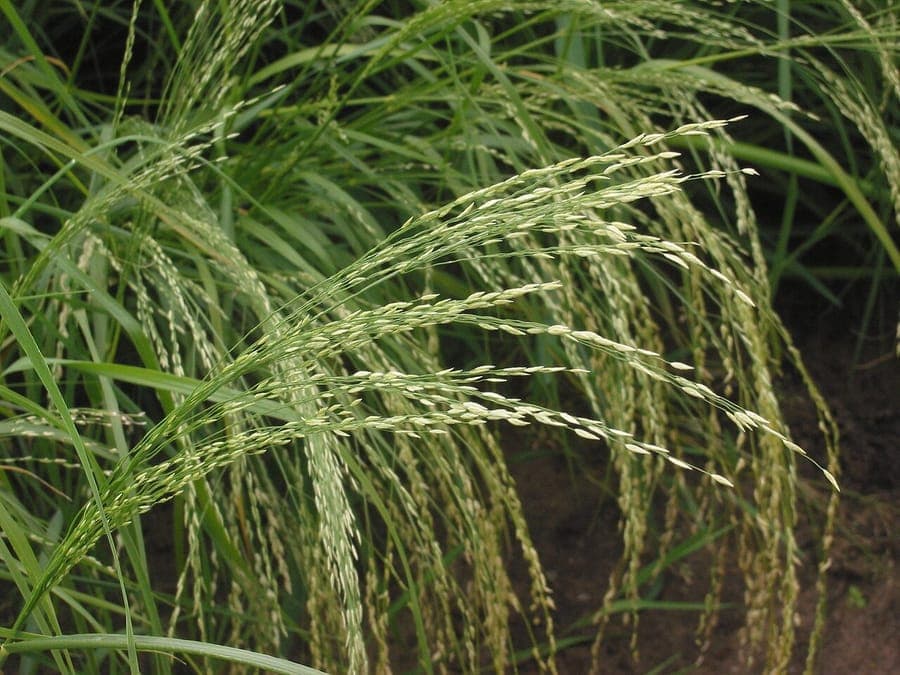
No machine-readable author provided. Rasbak assumed (based on copyright claims). / CC BY-SA 3.0, via Wikimedia Commons
Teff: complete guide
Eragrostis tef
¿Quieres ver Teff: complete guide en tu jardín?
1 minuto, sin tarjeta de crédito
Overview
Teff (Eragrostis tef), also called Abyssinian lovegrass, is an annual ornamental grass native to Ethiopia and the Horn of Africa. Known for its elegant, fine-textured foliage and delicate flower panicles, teff adds a graceful, airy quality to any garden setting. While historically used as a grain crop in Ethiopia, ornamental teff has gained popularity among gardeners seeking fine-textured, movement-rich grasses for contemporary landscapes.
The plant's delicate structure makes it excellent for mixed borders, container gardening, and modern garden designs where texture and visual interest are priorities. It thrives in warm-season conditions and provides consistent ornamental appeal throughout the summer months.
Appearance & Bloom
Teff forms upright, slender stems with extremely fine, hair-like foliage. Plants typically reach 20-30 centimeters in height depending on growing conditions. The delicate flower panicles emerge mid to late summer, displaying a loose, open structure in shades of purple, bronze, and soft green.
The flowers move gracefully in the slightest breeze, creating a living, dynamic quality. The foliage remains green throughout the growing season and may take on golden tones as autumn approaches before eventually fading. Each seed head is a masterpiece of fine architecture, resembling tiny clouds suspended above the foliage.
Ideal Location
Teff requires full sun exposure with minimum 6-8 hours of direct sunlight daily for optimal growth and flowering. In partial shade, the plant becomes weaker and produces fewer flower panicles. Heavy shade conditions should be avoided entirely, as this warm-season grass simply will not thrive without abundant light.
Consider teff for south-facing borders, open garden centers, and anywhere you want to create an airy, light-catching focal point. Its fine texture becomes even more beautiful when backlit by morning or evening sun.
Soil
Teff adapts to various soil types but thrives in well-draining substrates. Heavy, waterlogged soils can lead to root rot, particularly in regions with significant winter rainfall. Sandy to loamy soils are ideal. The plant is not particularly nutrient-demanding and grows acceptably in average garden soils.
For best results, ensure good drainage above all else. Container growers should use a quality potting mix amended with coarse sand or perlite. Poor drainage is the primary cause of failure with this species.
Diseño gratis
¿Quieres ver Teff: complete guide en tu jardín? Crea un diseño gratis ahora.
Watering
Teff requires consistent moisture during establishment and early growth stages. Water young plants regularly until well-rooted (approximately 3-4 weeks). Once established, the plant becomes quite drought-tolerant, particularly if grown in appropriate soil conditions.
During dry summer spells, additional watering encourages continued flowering and fuller growth. Always allow soil to dry between waterings; overwatering is more problematic than underwatering for this species, particularly in cool, humid climates.
Pruning
As an annual grass, teff requires minimal pruning in the traditional sense. The plant dies completely after the first hard frost and can simply be removed. In areas experiencing only light frosts, a gentle spring cutting may encourage fresh growth from any surviving base.
If you wish to prevent self-seeding, remove seed heads before they fully mature. Otherwise, allow them to remain for late-season interest and natural seed dispersal if reseeding is desired.
Maintenance Calendar
Spring: Sow seeds or transplant after last frost danger. Water regularly during dry spells. Summer: Monitor flowering, pest activity, and water needs. Watch for drought stress. Autumn: Harvest seeds if desired or remove dead material. Winter: Plant dies completely in cold climates; remove all debris.
Winter Hardiness
Teff is absolutely non-hardy in temperate climates. Even light frosts below 0 degrees Celsius will kill the plant. It is strictly a warm-season annual unsuitable for year-round outdoor cultivation in cool regions. Treat it as a summer bedding plant; replant each year.
In mild winter areas, exceptional drainage might allow brief survival of light frosts, but this is unreliable. Plan for annual replacement in nearly all climates north of zone 10.
Companion Plants
Teff combines beautifully with other warm-season lovers and fine-textured plants. Pair it with Verbascum, Gaura, and other airy bloomers. The delicate structure creates striking contrast with bold-leaved plants like Canna or dense, rounded forms.
In containers, combine with Cosmos, Celosia, dwarf sunflowers, and other summer annuals. The fine texture softens and unifies mixed plantings while providing movement and subtle color variation.
Closing
Teff represents an excellent choice for gardeners seeking something different in the ornamental grass category. Its fine texture and delicate flower panicles add unmatched elegance to warm-season gardens. With proper care during establishment and realistic expectations about annual replacement, teff becomes a delightful garden feature for sunny, well-draining sites.
Visit gardenworld.app/en for more plant inspiration and design ideas. Discover how to incorporate textural plants into your garden design via gardenworld.app/en.
¿Quieres ver Teff: complete guide en tu jardín? Crea un diseño gratis ahora.
Sube una foto, elige un estilo y obtén un diseño fotorrealista con lista de plantas en menos de un minuto.
Más de 10.000 jardines diseñados
Sin tarjeta de crédito


Plantas similares
Sporobolus pungens: complete guide
Sporobolus pungens
Sporobolus pungens is a stoloniferous Mediterranean coastal grass with outstanding salt and drought tolerance, perfect for seaside and dry gardens.
Mediterranean aegilops: complete guide
Aegilops biuncialis
Everything about Aegilops biuncialis, a Mediterranean annual grass with ornamental spikes and outstanding drought tolerance for dry gardens.
Silver bluestem: complete guide
Bothriochloa saccharoides
Full guide to Bothriochloa saccharoides (silver bluestem): site, soil, watering, winter hardiness, pruning, and garden companions.