
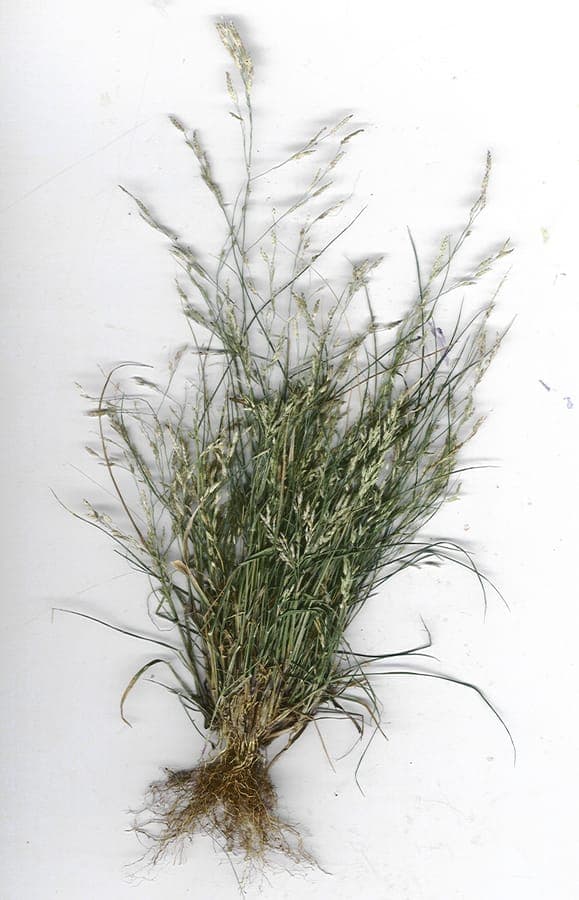
Forest & Kim Starr / CC BY 3.0, via Wikimedia Commons
Eragrostis pectinacea: complete guide
Eragrostis pectinacea
¿Quieres ver Eragrostis pectinacea: complete guide en tu jardín?
1 minuto, sin tarjeta de crédito
Overview
Eragrostis pectinacea, commonly known as Tufted Lovegrass or Carolina Lovegrass, is a delicate ornamental grass native to the Americas. This refined graminoid belongs to the Poaceae family and is celebrated for ethereal elegance and light-capturing qualities. The plant creates dynamic visual interest through dancing flower panicles.
Appearance and bloom
This grass grows to approximately 60 centimeters height, forming airy tufts. Foliage is fine and delicate, green in color. The characteristic flower panicles consist of fine, comb-like structures appearing from summer through fall. This delicate framework captures light beautifully and sways gracefully in breezes, adding visual movement to gardens.
Ideal location
Eragrostis pectinacea thrives in full sun to light shade. At least 6 hours of direct sunlight daily is ideal for dense growth. The plant tolerates partial shade but flowering is less abundant. Protection from strong winds helps preserve delicate flower panicles intact.
Soil requirements
This species prefers well-draining soil. Sandy and gritty substrates are ideal. Add sand or gravel to heavy clay for improved drainage. pH can range from neutral to slightly acidic. This grass is remarkably tolerant of poor soils and nutrient deficiency.
Watering
Once established, Eragrostis pectinacea is drought-tolerant. During the first growing season, water regularly to establish roots. Thereafter, minimal watering is needed. In extremely dry periods, water every three weeks. Avoid overwatering.
Diseño gratis
¿Quieres ver Eragrostis pectinacea: complete guide en tu jardín? Crea un diseño gratis ahora.
Pruning and maintenance
Pruning is not absolutely necessary. Cut back previous season's foliage in spring for neat appearance. This promotes fresh green growth. Remove dead growth during the season. No fertilization required due to tolerance of poor soils.
Maintenance calendar
Spring: Cut back foliage. Summer: Water only in extreme drought. Fall: Leave foliage standing. Winter: No maintenance.
Winter hardiness
Eragrostis pectinacea is annual in temperate climates. The plant regenerates from seed the following season. In warmer regions it may overwinter. Self-seeding occurs naturally if flower panicles remain standing.
Companion plants
Combine with other fine grasses and wildflowers. Lavender, Salvias, and Achillea pair well. Dwarf shrubs form interesting backdrops for ethereal flower panicles.
Closing thoughts
Eragrostis pectinacea brings bird-like elegance and movement to dry gardens. With delicate panicles and low-maintenance character, this grass is invaluable for landscape designers. Available through specialty nurseries, gardenworld.app features complete garden designs incorporating this species. Discover more on gardenworld.app for your next garden project.
For more information and customized garden designs, visit gardenworld.app. We help you create elegant dry gardens featuring Eragrostis pectinacea.
¿Quieres ver Eragrostis pectinacea: complete guide en tu jardín? Crea un diseño gratis ahora.
Sube una foto, elige un estilo y obtén un diseño fotorrealista con lista de plantas en menos de un minuto.
Más de 10.000 jardines diseñados
Sin tarjeta de crédito


Plantas similares
Sporobolus pungens: complete guide
Sporobolus pungens
Sporobolus pungens is a stoloniferous Mediterranean coastal grass with outstanding salt and drought tolerance, perfect for seaside and dry gardens.
Mediterranean aegilops: complete guide
Aegilops biuncialis
Everything about Aegilops biuncialis, a Mediterranean annual grass with ornamental spikes and outstanding drought tolerance for dry gardens.
Silver bluestem: complete guide
Bothriochloa saccharoides
Full guide to Bothriochloa saccharoides (silver bluestem): site, soil, watering, winter hardiness, pruning, and garden companions.