
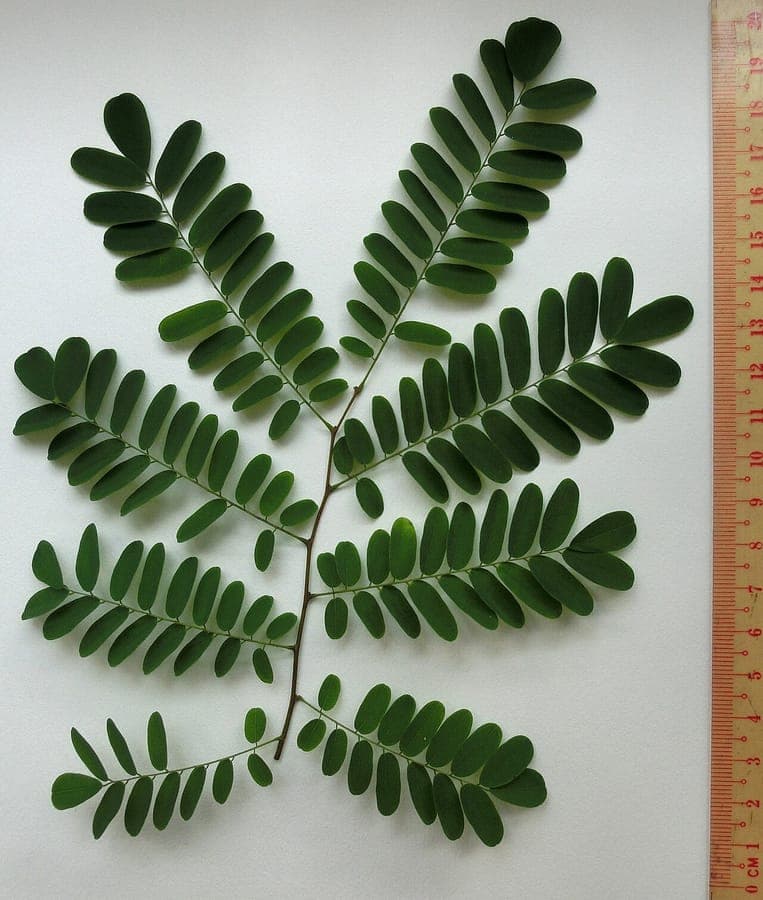
SybilKaesedick / CC BY-SA 4.0, via Wikimedia Commons
Brazilian Rosewood: complete guide
Dalbergia nigra
¿Quieres ver Brazilian Rosewood: complete guide en tu jardín?
1 minuto, sin tarjeta de crédito
Overview
Brazilian rosewood, scientifically known as Dalbergia nigra, is a majestic tree species from the Fabaceae family. This native Brazilian species is renowned for its deep brown to reddish hardwood, which has been one of the most sought-after timber woods in the world for centuries. The tree grows in tropical and subtropical forests of Brazil, where it forms an important part of the ecosystem.
The name "rosewood" refers to the dark color and characteristic fragrance of the timber. In gardening circles, the tree is valued for its elegant appearance, exotic character, and ecological importance. Though originally from Brazil, this tree can be cultivated in suitable climates elsewhere.
Appearance and bloom
Dalbergia nigra is a large tree reaching heights up to 30 meters. The trunk is straight and sturdy, covered with gray-brown bark with deep grooves. The leaves are compound and pinnate, with small, elliptical leaflets that are dark green in color.
The flowers are small and white to yellow, grouped in clusters. They typically appear in spring and provide beautiful contrast with the deep foliage. The fruit pods are flat and ripen to a brownish-black color.
The heartwood displays a characteristic dark brown to purplish-black color with a fine texture. This makes it visually very attractive for gardens where exotic trees are appreciated.
Ideal location
This tree thrives best in locations with full sun to partial shade. In tropical and subtropical regions, partial shade may even be preferred to avoid heat stress. For temperate zones, full sun is essential for optimal growth.
The tree is sensitive to wind, so plant it in a sheltered location where it is protected from strong winds. However, good air circulation is important to prevent fungal infections.
The tree can be planted as a specimen or in groups. It creates a beautiful screen and provides excellent shade. Avoid low-lying areas where water pools.
Soil
Dalbergia nigra is not particularly fussy about soil type, but thrives best in well-draining, nutrient-rich soil. The optimal pH ranges from 6.0 to 7.5. The tree can grow in slightly acidic to neutral soils.
Ensure the soil is well-aerated. Add compost or well-rotted leaf matter to the planting hole to improve moisture-holding capacity without causing waterlogging.
As a strong grower, the tree needs nitrogen. Apply organic fertilizer annually in spring. A mulch layer around the tree trunk retains moisture and regulates soil temperature.
Diseño gratis
¿Quieres ver Brazilian Rosewood: complete guide en tu jardín? Crea un diseño gratis ahora.
Watering
Young trees need more frequent watering than mature specimens. Water thoroughly during dry periods, especially in the first year after planting. The soil should be moist but not waterlogged.
Adult trees are fairly drought-tolerant once established. However, prolonged drought stress can slow growth. Water during extreme dry periods, especially during bloom and fruiting.
In tropical regions with abundant rainfall, supplemental irrigation is usually not needed. In drier climates, water regularly during dry seasons.
Pruning
Dalbergia nigra requires minimal pruning once well-established. In young years, it can be topped to stimulate a fuller canopy. Remove dead or damaged branches annually.
Prune best in late spring, just before growth begins. This limits diseases and pest outbreaks. Heavy pruning can reduce flowering production.
Do not remove more than 25% of the foliage in one season. Make clean cuts with sharp tools to prevent infections.
Maintenance calendar
FEBRUARY-MARCH: Check for diseases and pests; apply spring fertilizer. APRIL-MAY: Regular weeding and clearance. JUNE-JULY: Full growth; water during dry periods. AUGUST-SEPTEMBER: Preparation for bloom; support young trees with stakes. OCTOBER-NOVEMBER: Flowering; remove dead foliage. DECEMBER-JANUARY: Winter maintenance; check watering needs.
Winter hardiness
Dalbergia nigra is not frost-hardy and cannot tolerate temperatures below 5 degrees Celsius. In temperate climates, the tree must be protected or grown in containers that are moved indoors during winter.
In tropical and subtropical regions, winter protection is not needed. The tree grows best where minimum winter temperatures remain above 10 degrees Celsius.
If you live in a cold climate, consider growing young trees in containers that you can move to a temperature-controlled location, such as a greenhouse or conservatory, in winter.
Companion plants
Combine Dalbergia nigra with other tropical trees and shrubs for a harmonious effect. Mangoes, papayas, and other fruit trees grow well under its canopy.
Groundcover plants such as passion flower and ivy add texture to the understory. Fern groups create a jungle-like atmosphere.
Avoid strong competitors of the same height that compete for light. Small flowering plants like bromeliads can grow beautifully in the ground layer.
Closing thoughts
Dalbergia nigra is more than just a tree species; it is a symbol of tropical beauty and ecological richness. With careful attention and proper growing conditions, you can create this impressive tree in your garden.
Visit OBI or Hornbach for quality seedlings and maintenance products. Learn more about tropical tree care and discover other species on gardenworld.app for your next garden project.
At gardenworld.app you receive expert advice and tools to create a paradise-like garden with unique tree species like this magnificent Brazilian rosewood.
¿Quieres ver Brazilian Rosewood: complete guide en tu jardín? Crea un diseño gratis ahora.
Sube una foto, elige un estilo y obtén un diseño fotorrealista con lista de plantas en menos de un minuto.
Más de 10.000 jardines diseñados
Sin tarjeta de crédito


Plantas similares
Tall Silky Lupine: complete guide
Lupinus elatus
Tall silky lupine is a fast-growing Californian perennial with silvery foliage and blue-purple flower spikes, ideal for a prairie-style garden.
Garfield Lupine: complete guide
Lupinus garfieldensis
The Garfield lupine is a rare, fast-growing American perennial for alkaline, dry grassland gardens, with striking blue flower spikes.
Lupinus elegans: complete guide
Lupinus elegans
Lupinus elegans, the elegant lupine, is a spectacular blooming plant from Mexico with blue flower spikes. Care, cultivation and garden use.