
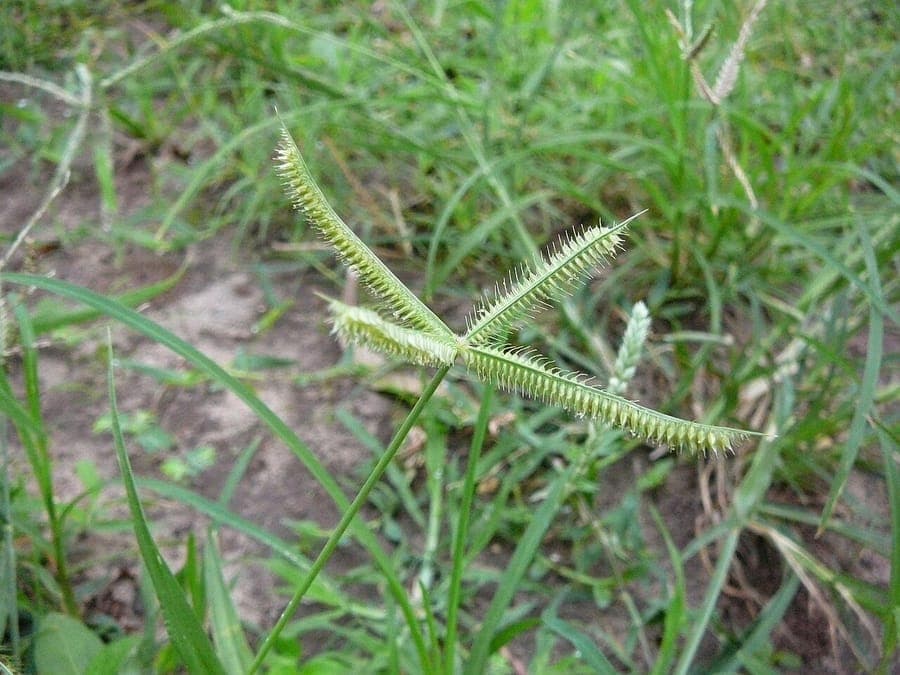
Atamari / CC BY-SA 3.0, via Wikimedia Commons
Dactyloctenium aegyptium: complete guide
Dactyloctenium aegyptium
¿Quieres ver Dactyloctenium aegyptium: complete guide en tu jardín?
1 minuto, sin tarjeta de crédito
Overview
Dactyloctenium aegyptium, commonly called Durban crowfoot or crowfoot grass, is a fascinating tropical grass species native to warm Africa and Asia. This member of the Poaceae family grows as a low, clumping plant with distinctive seed heads resembling bird feet - hence the common name crowfoot grass.
In warm climates this grass grows year-round, but in temperate zones it's typically grown as an annual. The distinctive seed structure provides excellent ornamental value. This grass is perfect for warm gardens, borders, and even containers.
Appearance and Bloom
Dactyloctenium aegyptium grows as a compact, mounding plant with fine, linear leaves reaching 15-30 centimeters long. Foliage is green, sometimes with purplish tinges, with particularly fine texture.
The seed heads are the most distinctive feature. They appear at stem tips with a characteristic "foot-like" form displaying 3-5 prominent "toes" at the top. This seed structure is yellowish to brownish and highly decorative. Seed heads appear from summer through fall and remain attractive for extended periods.
Ideal Location
Dactyloctenium aegyptium requires very sunny positioning with at least 6-8 hours of direct sunlight daily. Without adequate sun it grows poorly and produces few seed heads.
This grass thrives in warm conditions and grows best in south and southwest-facing locations. It tolerates heat and drought better than most grasses.
Provide wind protection in exposed gardens, as fine grass blades can be damaged by strong winds.
Soil
Dactyloctenium aegyptium grows in virtually any soil but prefers well-draining, light soils. Heavy clay soils can cause waterlogging which is detrimental.
The plant requires no rich soil. In fact, it performs better in moderate to poor soils. Add sand if drainage is problematic.
The plant is highly tolerant of various salt levels, making it suitable for coastal gardens.
Diseño gratis
¿Quieres ver Dactyloctenium aegyptium: complete guide en tu jardín? Crea un diseño gratis ahora.
Watering
Dactyloctenium aegyptium is very drought-tolerant once established. During the first growing season water regularly until well-mixed. Thereafter water only when soil feels dry.
During warm periods regular watering can encourage dense, attractive growth. Avoid waterlogging - good drainage is important.
In containers water when potting soil surface is dry, which may be frequent in warm weather.
Pruning
Dactyloctenium aegyptium requires virtually no pruning. Let the plant develop its natural form. Remove dead leaf material gently when noticed.
In temperate climates where the plant is grown as annual, no pruning is necessary - simply remove the plant at season's end.
Remove seed heads after they've dried if you prefer a neater appearance.
Maintenance Calendar
March-May: Start seeds in warm conditions. June-August: Regular watering, strong growth. August-October: Seed head formation, minimal care. October-November: Seed heads dry and become decorative. December-February: In warm climates minimal care; in cool climates remove plant debris.
Winter Hardiness
Dactyloctenium aegyptium is not winter-hardy and cannot survive outdoors in frost-prone regions. The plant dies when temperatures drop below 5 degrees Celsius.
In warm (USDA zone 9+) or mild maritime climates it may overwinter outdoors in protected situations. Mulching can help in light frost areas.
In most of Western Europe the plant is considered annual.
Companion Plants
Dactyloctenium aegyptium combines well with other exotic material. Group with other warm-climate grasses like Panicum or Setaria.
Mix with dark-foliaged plants like Alternanthera or purple Iresine for color contrast. Use as accent in summer containers with Begonia or Impatiens.
Closing
Dactyloctenium aegyptium brings exotic, tropical style to warm gardens with its remarkable foot-like seed heads. Easy to grow and distinctively different, this grass is an excellent choice for gardeners wanting something special. Visit specialized nurseries for seeds or plants. Bring tropical character to your garden - let gardenworld.app help design exotic plantings. Discover more grass guides at gardenworld.app.
¿Quieres ver Dactyloctenium aegyptium: complete guide en tu jardín? Crea un diseño gratis ahora.
Sube una foto, elige un estilo y obtén un diseño fotorrealista con lista de plantas en menos de un minuto.
Más de 10.000 jardines diseñados
Sin tarjeta de crédito


Plantas similares
Sporobolus pungens: complete guide
Sporobolus pungens
Sporobolus pungens is a stoloniferous Mediterranean coastal grass with outstanding salt and drought tolerance, perfect for seaside and dry gardens.
Mediterranean aegilops: complete guide
Aegilops biuncialis
Everything about Aegilops biuncialis, a Mediterranean annual grass with ornamental spikes and outstanding drought tolerance for dry gardens.
Silver bluestem: complete guide
Bothriochloa saccharoides
Full guide to Bothriochloa saccharoides (silver bluestem): site, soil, watering, winter hardiness, pruning, and garden companions.