
James Steakley / CC BY-SA 3.0, via Wikimedia Commons
Cymbopogon nardus: complete guide
Cymbopogon nardus
¿Quieres ver Cymbopogon nardus: complete guide en tu jardín?
1 minuto, sin tarjeta de crédito
Overview
Citronella grass (Cymbopogon nardus), also known as giant turpentine grass or Ceylon citronella, is a robust grass originating from tropical and subtropical regions. This aromatic grass is famous for its strong citronella scent that repels insects, especially mosquitoes. The plant originates from Sri Lanka to Southeast Asia. Due to its aromatic and practical properties, it has versatile use in gardens.
Appearance and bloom
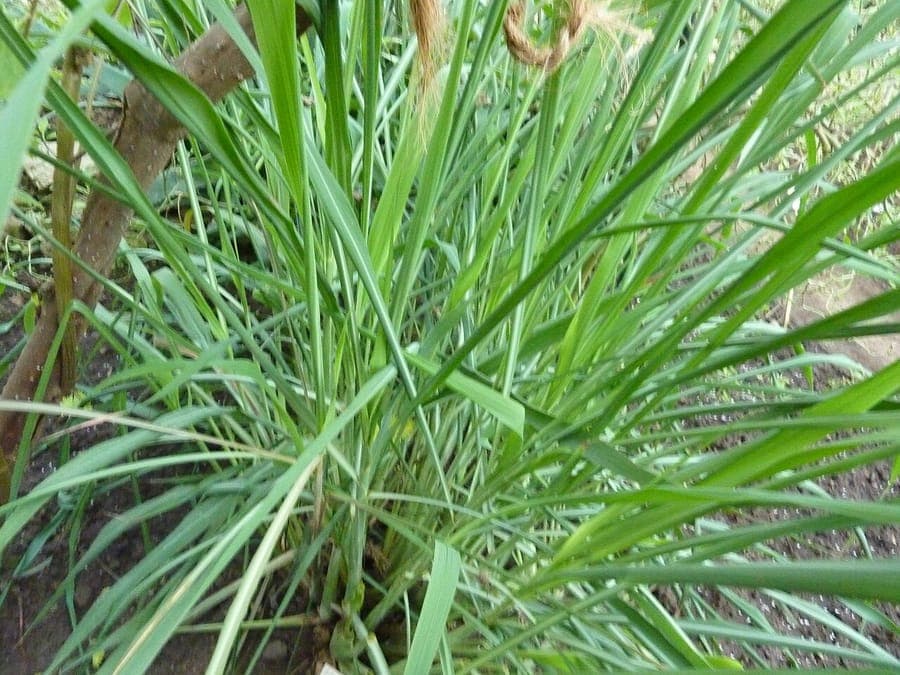
Citronella grass grows to approximately 1 to 1.5 meters in height, with long, narrow, linear leaves. The plant forms dense tufts of greenish-yellow colored foliage. In summer, the tops of the plant produce fine, feathery, yellowish-white flowers in panicles. The foliage smells strongly of lemons/citronella scent when touched or bruised.
The structure is attractive for borders and can function as a decorative specimen. The grass provides texture and movement to the garden throughout the season.
Ideal location
Citronella grass thrives best in a sunny location. Ensure the plant receives at least 6 to 8 hours of direct sunlight per day. In warm climates, light partial shade may be acceptable. In cold regions, full sun is essential to promote good growth. Wind is acceptable.
Soil
This plant is not very particular about soil type. A well-draining, sandy to loamy soil is ideal. In heavy clay soils it grows less well. The plant tolerates poor soils acceptably, although enrichment with compost promotes growth. Ensure good drainage, as excess water leads to rot.
Watering
After planting, citronella grass needs regular water until it is established. Once established, the plant is reasonably drought-tolerant thanks to its deep root system. During dry periods you can water carefully. Ensure excess water can drain away. Avoid stagnation.
Diseño gratis
¿Quieres ver Cymbopogon nardus: complete guide en tu jardín? Crea un diseño gratis ahora.
Pruning
In spring you can remove dead or damaged leaves. If the grass becomes too large, you can carefully cut it back to about 30 cm height. This stimulates new growth. Regularly remove damaged leaves by cutting them at the base.
Maintenance calendar
January-February: In cold climates protect or keep covered.
March-April: Start of growing season. Optionally trim damaged parts.
May-June: Rapid growth. Water regularly.
July-August: Bloom period. Scent is at peak.
September-October: Growth decreases. Preparation for rest.
November-December: Rest period. Minimal maintenance.
Winter hardiness
Citronella grass is not really winter hardy. In temperate climates it can stay outside if well protected with mulch. In cold regions (below -5 degrees), you must overwinter it indoors in a container. Provide a cool, dry location.
Particularly good with this plant
Citronella grass combines well with other Mediterranean plants like lavender, rosemary and sage. Also beautiful with other grasses like stipa or miscanthus. Use it for borders, in groups or as a solitary accent. The scent makes it ideal in areas where you want insect repulsion.
Final remarks
Citronella grass is a practical and decorative plant that enlivens your garden. The strong aromatic scent provides natural mosquito control. Perfect for lovers of useful plants and interesting textures. You can find this plant at specialized nurseries. Gardenworld.app is happy to help with integration into your garden plan. Visit gardenworld.app for more inspiration.
¿Quieres ver Cymbopogon nardus: complete guide en tu jardín? Crea un diseño gratis ahora.
Sube una foto, elige un estilo y obtén un diseño fotorrealista con lista de plantas en menos de un minuto.
Más de 10.000 jardines diseñados
Sin tarjeta de crédito


Plantas similares
Sporobolus pungens: complete guide
Sporobolus pungens
Sporobolus pungens is a stoloniferous Mediterranean coastal grass with outstanding salt and drought tolerance, perfect for seaside and dry gardens.
Mediterranean aegilops: complete guide
Aegilops biuncialis
Everything about Aegilops biuncialis, a Mediterranean annual grass with ornamental spikes and outstanding drought tolerance for dry gardens.
Silver bluestem: complete guide
Bothriochloa saccharoides
Full guide to Bothriochloa saccharoides (silver bluestem): site, soil, watering, winter hardiness, pruning, and garden companions.