
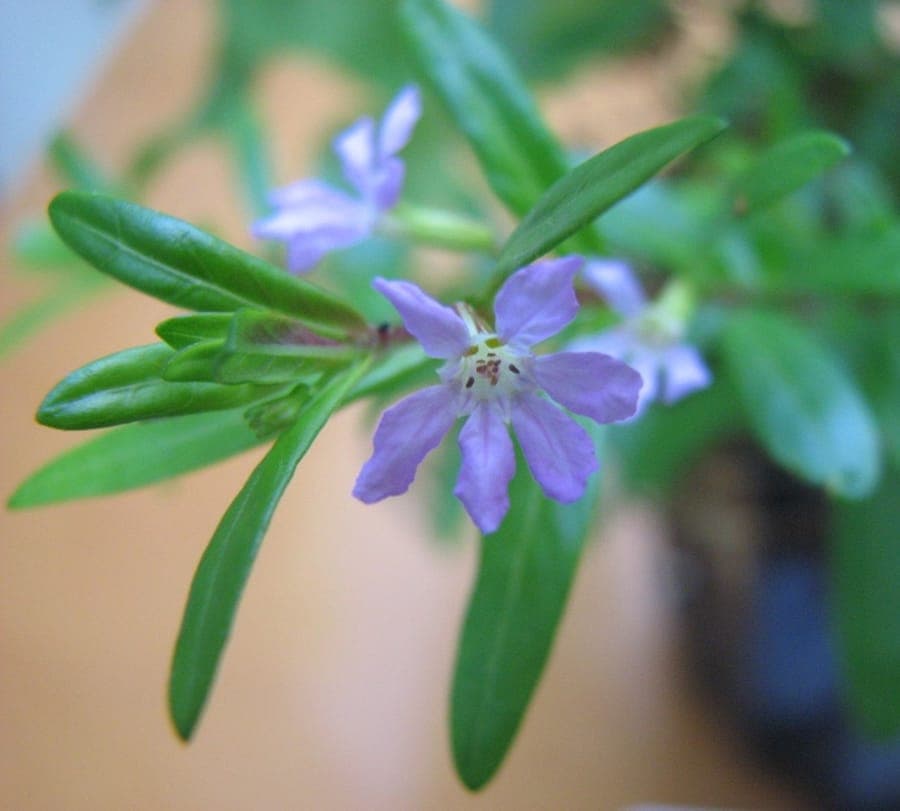
Melburnian / CC BY 2.5, via Wikimedia Commons
Cuphea hyssopifolia: complete guide
Cuphea hyssopifolia
¿Quieres ver Cuphea hyssopifolia: complete guide en tu jardín?
1 minuto, sin tarjeta de crédito
Overview
Cuphea hyssopifolia, commonly called Mexican Heather or False Heather, is a charming, compact shrub native to Mexico and Central America. Belonging to the Lythraceae family, this plant is renowned for its numerous small purple-pink flowers and compact growth habit. Cuphea hyssopifolia typically reaches 40 to 60 centimeters in height in gardens, making it a perfect choice for borders, containers, and hedges.
Appearance and Bloom
Cuphea hyssopifolia grows into a dense, compact shrublet with small, narrow leaves. The plant produces numerous tiny flowers that are purple-pink in color, sometimes with white or red tinges. Blooming is very prolonged, often from spring through autumn or even year-round in warm climates. The flowers appear on short stems and completely cover the plant when in full bloom.
Ideal Location
Cuphea hyssopifolia thrives best in full sun to partial shade. For maximum flowering, ensure at least 4-6 hours of direct sunlight daily. In very hot climates, light afternoon shade can be beneficial. The plant is versatile and grows well in diverse environments.
Soil
Mexican Heather prefers well-drained soil. The plant is not nutrient-demanding and grows in most soil types provided they are not waterlogged. Neutral to slightly acidic soil is ideal.
Watering
During growing season, provide regular watering. The plant prefers slightly moist soil but tolerates short dry periods well. Excessive water can cause root rot. In winter, watering can be reduced, especially in cooler climates.
Diseño gratis
¿Quieres ver Cuphea hyssopifolia: complete guide en tu jardín? Crea un diseño gratis ahora.
Pruning
Pruning encourages bushier growth. You can regularly pinch young plants to maintain compactness. In spring, light pruning helps shape the plant. Spent flowers can be removed, though this is not essential as the plant self-cleans.
Maintenance Calendar
In spring, apply light balanced fertilizer. Monthly feeding promotes flowering. In winter, reduce feeding. Regularly check for pest problems, though this plant is usually pest-resistant.
Winter Hardiness
Cuphea hyssopifolia can tolerate light frost to about -5 degrees Celsius, though it usually grows in warm zones. In cooler areas, it can be cultivated indoors. In freezing climates, it is treated as an annual.
Companion Plants
Cuphea hyssopifolia combines well with other compact flowering plants. Excellent in borders with other summer bloomers. Planters and containers are ideal for this plant. Low-growing companions like creeping phlox or lavender fill in nicely around it.
Closing
Cuphea hyssopifolia is a versatile, charming choice for gardeners seeking prolonged blooms in a compact format. With its numerous small flowers and extended flowering period, it offers months of color. The plant is low-maintenance and adaptable. You can find this plant at garden centers and online plant retailers. With minimal care, you will enjoy this attractive shrub for years.
¿Quieres ver Cuphea hyssopifolia: complete guide en tu jardín? Crea un diseño gratis ahora.
Sube una foto, elige un estilo y obtén un diseño fotorrealista con lista de plantas en menos de un minuto.
Más de 10.000 jardines diseñados
Sin tarjeta de crédito


Plantas similares
Winged loosestrife: complete guide
Lythrum alatum
Everything about Lythrum alatum, the winged loosestrife. Care, location, pruning and garden pairings for this native North American wetland perennial.
Dnieper loosestrife: complete guide
Lythrum borysthenicum
Everything about Lythrum borysthenicum, the Dnieper loosestrife: location, bloom season, care in pond margins and bog gardens. Full growing guide included.
Grand redstem: complete guide
Ammannia robusta
Everything about Ammannia robusta: pond margins, bog gardens, soil, care and propagation. Practical advice for water garden enthusiasts in temperate climates.