
A16898 / CC BY-SA 3.0, via Wikimedia Commons
Crotalaria juncea: complete guide
Crotalaria juncea
¿Quieres ver Crotalaria juncea: complete guide en tu jardín?
1 minuto, sin tarjeta de crédito
Overview
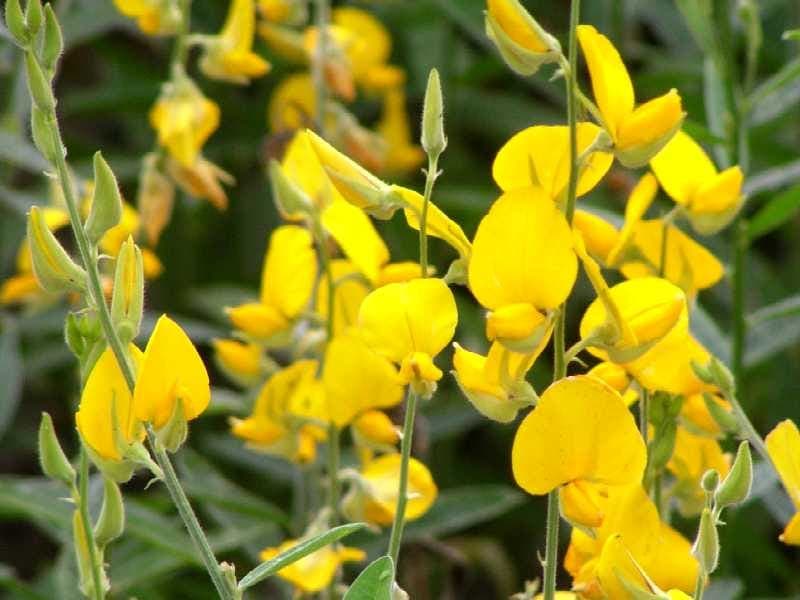
Crotalaria juncea, commonly called Sunn Hemp or Indian Hemp, is a fast-growing legume native to Asia. This plant belongs to the Fabaceae family and is renowned for its bright yellow flowers and rapid growth rate. Crotalaria juncea is widely used as a green manure crop because it fixes atmospheric nitrogen and improves soil fertility. The plant reaches 1 to 2 meters in height quickly.
Appearance and Bloom
Crotalaria juncea grows rapidly into an upright, slender plant with heart-shaped leaves. The flowers are bright yellow and appear in dense racemes along the stems. After flowering, characteristic seed pods form. These green pods swell and contain small, hard seeds. Despite its strength, the entire plant has an airy, almost delicate appearance.
Ideal Location
Crotalaria juncea performs best in full sun. Ensure at least 6-8 hours of direct sunlight daily. The plant tolerates various soil types from sand to heavy clay. An open, well-ventilated microclimate favors healthy growth and flowering.
Soil
While Crotalaria juncea demonstrates adaptability, it grows best in well-drained, neutral to slightly acidic soil. The plant is not nutrient-demanding, thanks to its nitrogen-fixing ability. Before planting, loosen the soil and remove roots and coarse gravel.
Watering
Crotalaria juncea is relatively drought-tolerant once established. Provide regular water for the first weeks after planting. Once established, the plant handles dry conditions well. Heavy rainfall is ideal, but the plant manages with limited water. Excessive moisture can cause root rot.
Diseño gratis
¿Quieres ver Crotalaria juncea: complete guide en tu jardín? Crea un diseño gratis ahora.
Pruning
This crop requires minimal pruning. You can remove spent flowers to encourage continued blooming, though this is optional. If you want seed production, leave flowers and pods throughout the season.
Maintenance Calendar
Crotalaria juncea is a seasonal crop typically grown in warmer months (spring through autumn). Plant in spring, water regularly, and monitor growth. The crop reaches full maturity within months. In autumn, plow under as green manure or harvest seeds for next season.
Winter Hardiness
Crotalaria juncea is not winter-hardy in temperate climates and cannot tolerate frost. Expect frost? Plow the plant under in autumn and use it as organic matter in your compost. In warm climates, the plant may self-seed next season.
Companion Plants
Crotalaria juncea works excellently as green manure between other crops. It fixes nitrogen, improving conditions for subsequent plantings. Sow in background areas or fields where soil improvement is needed. The yellow flowers attract beneficial insects.
Closing
Crotalaria juncea offers a unique combination of beauty and functionality. The bright yellow flowers delight the eye while the crop provides practical soil improvement benefits. For ecologically conscious gardeners, this is a valuable addition. Seeds are available from specialized seed suppliers specializing in green manure crops. With minimal care and maintenance, you can enjoy both aesthetic and practical benefits from this fast-growing plant.
¿Quieres ver Crotalaria juncea: complete guide en tu jardín? Crea un diseño gratis ahora.
Sube una foto, elige un estilo y obtén un diseño fotorrealista con lista de plantas en menos de un minuto.
Más de 10.000 jardines diseñados
Sin tarjeta de crédito


Plantas similares
Tall Silky Lupine: complete guide
Lupinus elatus
Tall silky lupine is a fast-growing Californian perennial with silvery foliage and blue-purple flower spikes, ideal for a prairie-style garden.
Garfield Lupine: complete guide
Lupinus garfieldensis
The Garfield lupine is a rare, fast-growing American perennial for alkaline, dry grassland gardens, with striking blue flower spikes.
Lupinus elegans: complete guide
Lupinus elegans
Lupinus elegans, the elegant lupine, is a spectacular blooming plant from Mexico with blue flower spikes. Care, cultivation and garden use.